
A jacket can close comfortably yet gap at the collar, twist through the sleeves or pull open at the vents. Understanding the parts of a suit helps you recognise those problems and decide whether to spend your budget on a construction upgrade, better fabric or more fitting time.
This guide explains men’s suit jacket anatomy, its effects on proportions and the checks to make before collection. It applies to ready-to-wear, a made-to-measure suit or bespoke tailoring. For Bangkok buyers, it also connects construction choices to heat, fitting time and travel deadlines.
What are the main parts of a suit jacket?
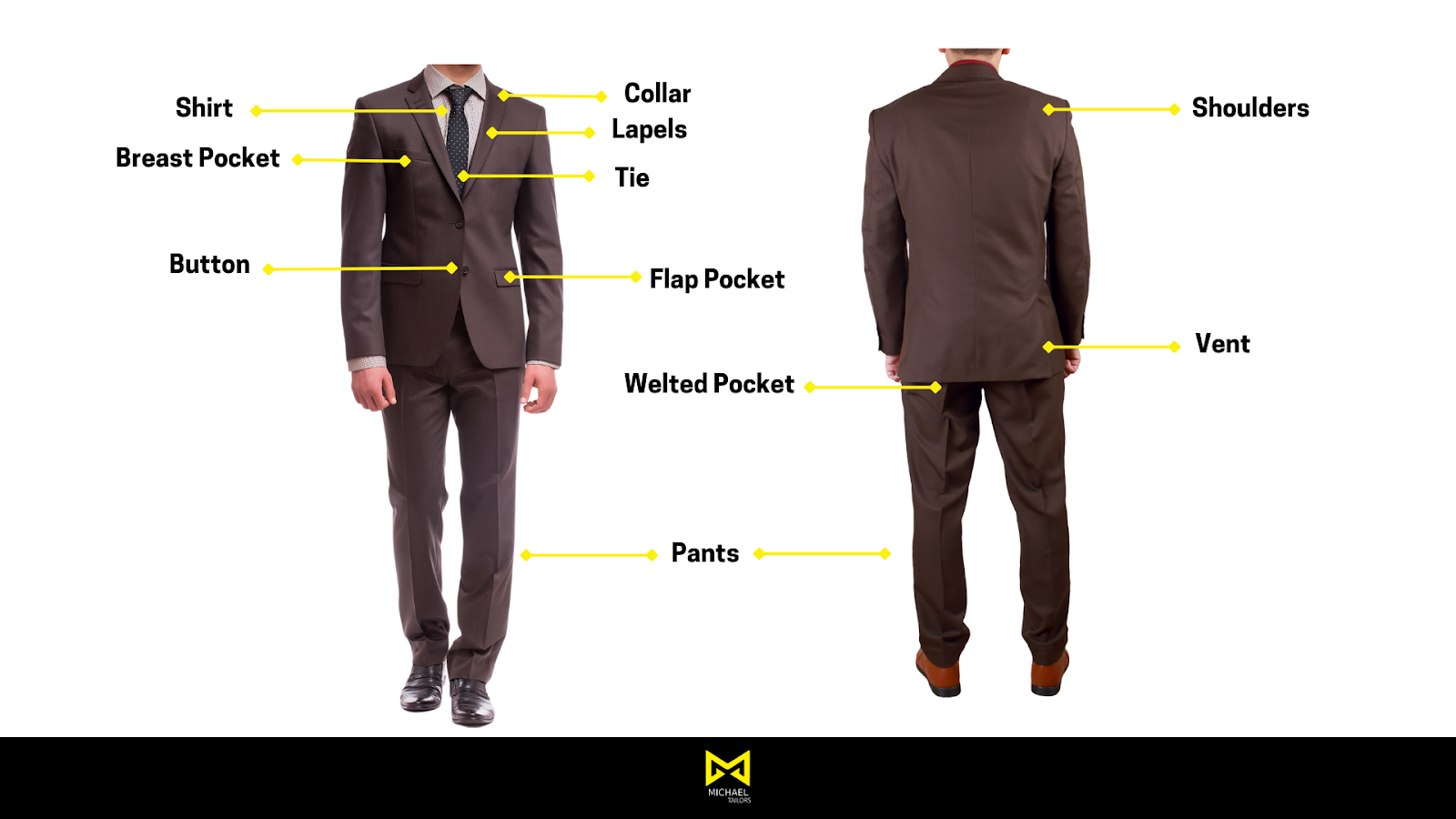
A two-piece suit consists of a jacket and trousers in matching cloth; a three-piece adds a waistcoat. This breakdown concentrates on the jacket, where most of the suit’s visible structure sits. Its collar, lapels, shoulders, chest, buttons, pockets, sleeves and vents shape the silhouette, while canvas, padding and lining support the garment from within.
Smaller terms describe how those larger components are formed. The gorge is where collar and lapel meet, chest darts shape the front, quarters describe the lower front opening, and the armhole connects the sleeve to the body. Button stance and sleeve pitch describe placement and angle rather than separate pieces of fabric. Knowing these distinctions makes a consultation more specific than simply asking for a jacket to look slimmer.
The outer shell and jacket balance
The shell consists of front, side and back panels, sleeves and collar, although the exact panel arrangement varies by pattern. Balance describes how that assembly hangs on your body. Posture, shoulder slope and the relative lengths of the front and back all matter, so a tailor should assess you standing naturally rather than asking you to hold an unusually upright pose.
Poor balance can produce diagonal drag lines, a hem that tips or a front that twists despite apparently correct measurements. Traditional business jackets generally cover the seat, but length must also relate to torso, legs and trouser rise. The front edge, fastening point and hem should look connected; expensive cloth cannot compensate for a jacket that hangs awkwardly.
How does the jacket front shape your silhouette?
The front shapes the chest and waist and controls the opening above the trousers. Its cut influences comfort and the apparent relationship between torso and legs. Darts, quarters and button stance each contribute to that effect.
Chest and chest darts
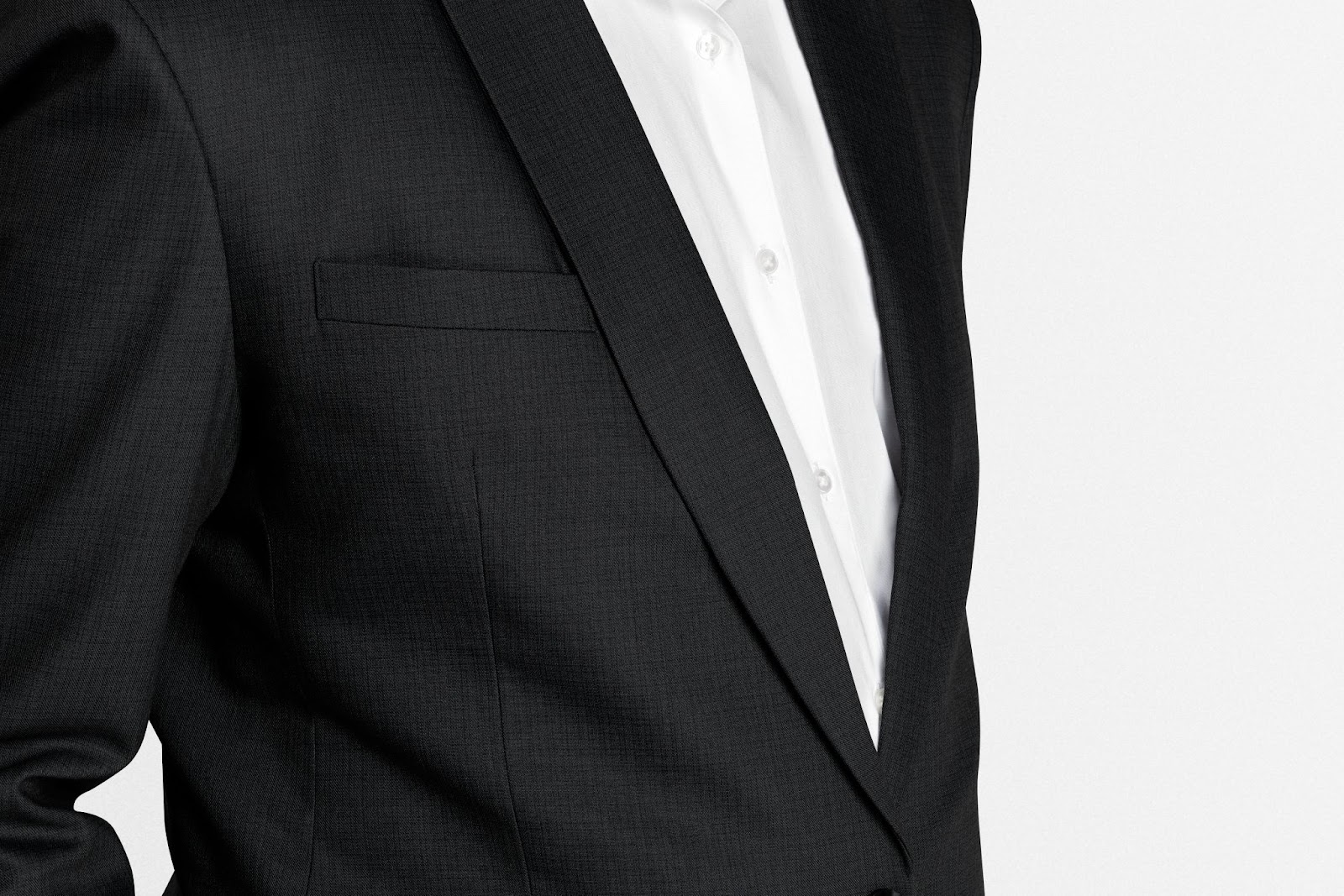
The chest should follow your body with enough room to breathe and move. Excess cloth can look loose, while insufficient room can lift the lapels or create pulling around the fastening. Underneath, the chest piece, canvas and any padding help support the intended shape without requiring the outer fabric to cling.
Chest darts are shaped, usually vertical seams running down the front towards the pockets. They remove surplus cloth from a flat panel, with their depth and position creating three-dimensional chest and waist shaping. Some jacket styles use other arrangements, so visible darts are not a universal requirement.
Jacket quarters
The quarters are the lower front portions beneath the fastening area. Open quarters curve away from each other, revealing more trousers and creating a lighter, potentially more elongated lower-front appearance. The effect depends on trouser rise and jacket length. Straighter, more closed quarters create a continuous, more traditional front.
Choose the opening that suits the intended silhouette and falls naturally when fastened. Deliberately open quarters differ from a front that pulls apart because the jacket is too tight.
Button stance and front configuration
Button stance is the height of the main fastening point. A higher stance shortens the visible lapel line and can make the upper body appear more compact; a lower stance lengthens that line. The position should relate comfortably to your waist and jacket length rather than follow a trend independently of your proportions.
A single-breasted jacket has one main column of buttons and suits many business and everyday settings. A double-breasted jacket has overlapping fronts and two visible columns, creating more visual presence through the torso. That overlap does not automatically require heavy padding: front configuration and shoulder structure are separate decisions.
Two-button jackets offer a versatile starting point, with the upper button serving as the normal fastening. A three-roll-two jacket has three front buttons but a lapel that rolls over the top one, leaving the middle button as the intended fastening. This arrangement creates a softer, traditional lapel line. Button number and placement change the jacket’s character, but neither is evidence of luxury by itself.
How should you choose lapels, gorge height and collar shape?
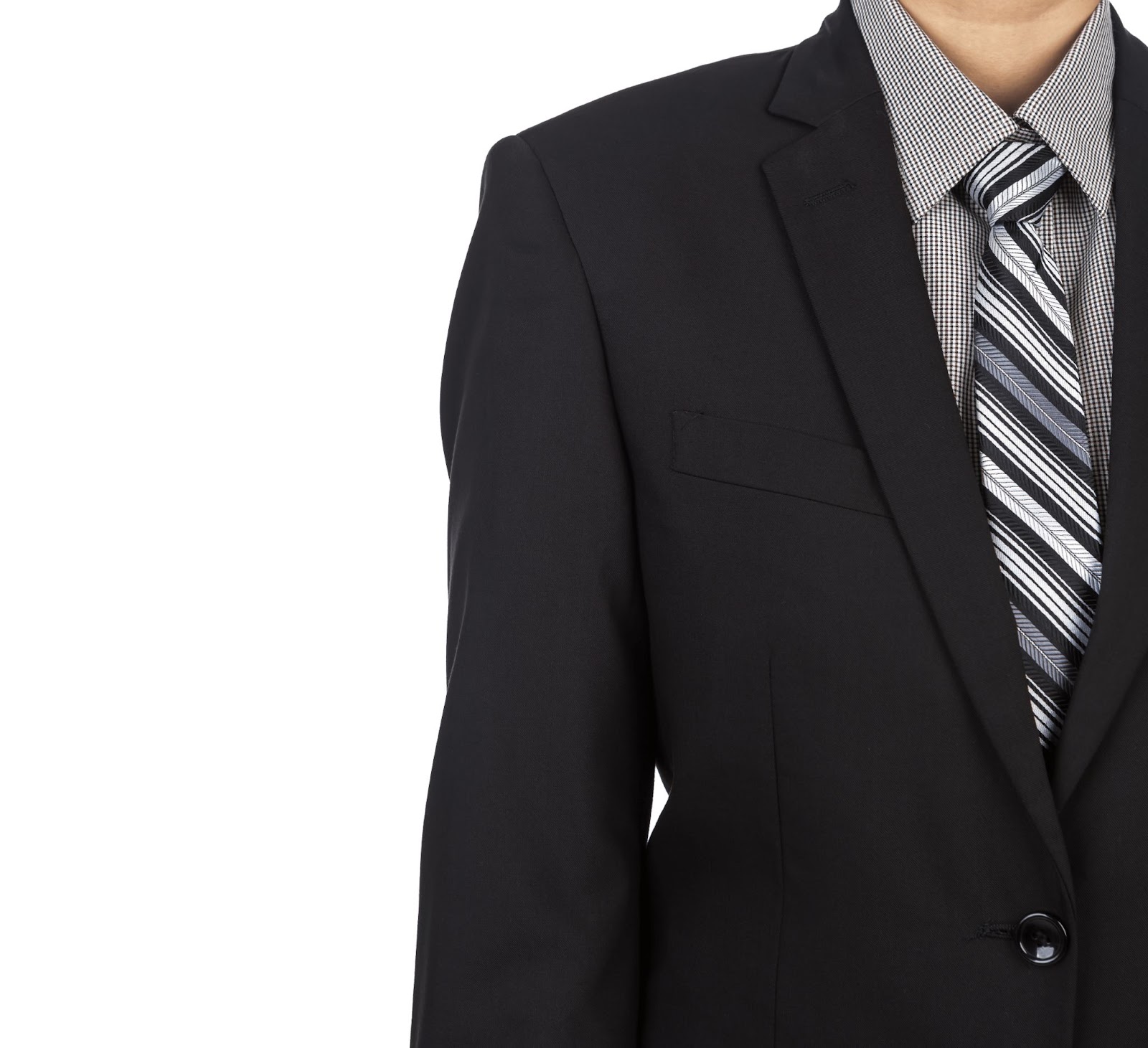
Lapels are the folded-back sections of the jacket front running from the collar towards the fastening point. They frame the chest, while their style, width and roll influence formality. For a first suit, choose the lapel style by occasion, then assess its proportions alongside the shoulders.
Notch, peak and shawl lapels
Notch lapels have an indentation where the collar and lapel meet. They are the familiar choice for single-breasted business suits, everyday tailoring and many blazers. For a first suit that needs to work across meetings and social occasions, they are an easy starting point.
Peak lapels project upwards and outwards towards the shoulders. They give the chest more visual emphasis and are usually dressier than notch lapels, appearing on double-breasted suits, formal single-breasted suits and many tuxedos. They can also make a business suit more distinctive without changing its underlying fit.
A shawl collar forms a continuous curved edge without a notch or peak. It is strongly associated with dinner jackets and tuxedos, making it a choice for eveningwear rather than a conventional office suit. Both peak and shawl styles belong in black-tie tailoring; the curve alone does not make shawl inherently more formal than peak.
Gorge height and lapel width
The gorge is the junction or seam where collar and lapel meet on a notched or peaked design. Raising it moves the visual focus upwards and can suggest height; a lower gorge often gives a more traditional, relaxed line. Assess its position alongside lapel width and button stance.
Lapel width should relate to chest, shoulders, jacket length, shirt collar and tie. A very narrow lapel can look undersized against a broad chest, while an extremely wide one can dominate a smaller frame. These are proportional effects, not body-type restrictions. A moderate width is often easier to wear over time, but the best choice is the one that looks intentional on you.
Lapel roll and collar contact
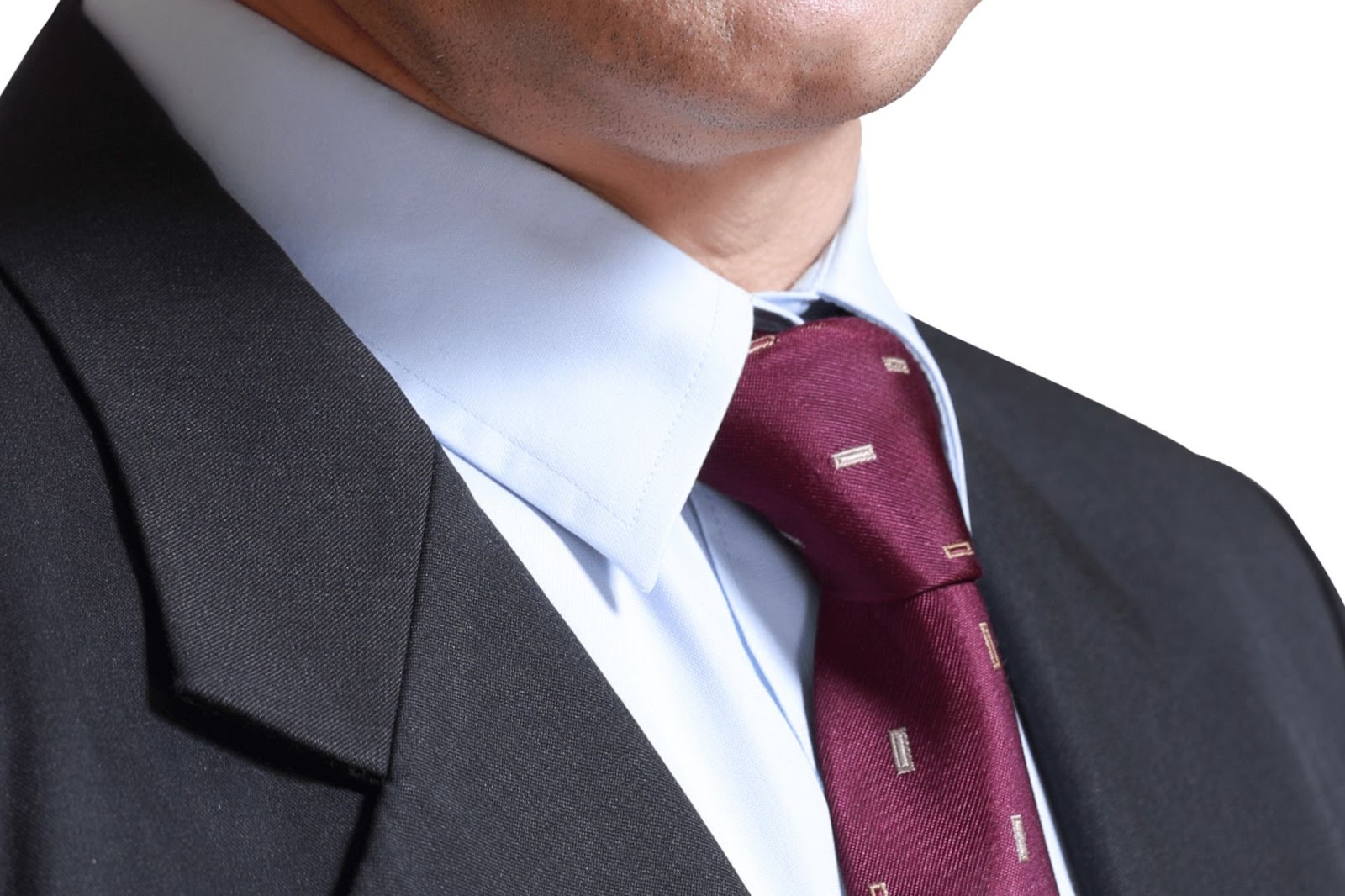
Lapel roll is the curved transition where the front folds back, giving the lapel depth instead of an entirely flattened appearance. Canvas and careful shaping can support that roll. It is worth inspecting, although a particular roll does not prove how the entire jacket was constructed.
The jacket collar surrounds the back of the neck and connects to the lapels. It should rest against the shirt collar without biting or leaving a persistent gap. Collar gap can result from posture, shoulder slope, incorrect balance or unsuitable sizing; pressing cannot reliably solve a pattern problem that returns when you move.
Try the jacket with a shirt whose collar height resembles what you normally wear. A little shirt collar should remain visible above the jacket at the back, and the two collars should sit comfortably together. An unusually high or low trial shirt can otherwise distort your judgement of the jacket.
How do shoulders, armholes and sleeves affect movement?

Shoulders establish the upper outline, while armholes and sleeves control movement. These areas of menswear construction deserve particular attention because major corrections can be complicated. Start with the shoulder line, then assess how the sleeve hangs with your arms relaxed.
Natural and structured shoulders
Natural shoulders use little padding and follow the wearer’s shoulder line, producing a softer silhouette often associated with relaxed Italian and Neapolitan tailoring. Structured shoulders use more support to establish a defined line, familiar in traditional British business tailoring. Padding can also help balance sloping or uneven shoulders, so additional structure is not automatically a disadvantage.
On a conventionally fitted jacket, the seam should sit near the shoulder’s outer edge without obvious drooping, dents or tension. Some structured designs intentionally extend beyond the natural shoulder, which is different from accidental oversizing. Judge whether the sleeve falls cleanly and the intended shape is supported rather than applying the seam position as an absolute rule.
Armholes and sleeveheads
The armhole, or armscye, is the opening where the sleeve joins the jacket body. A suitably high, correctly shaped armhole can let the arm move more independently, whereas a low armhole can drag more of the jacket upwards. Height alone is not the goal: an opening that bites into the underarm or restricts the upper arm is too tight for the wearer.
The sleevehead is the upper sleeve where it meets the shoulder. It can be softly eased, more firmly defined or deliberately gathered in some Italian constructions. Unintended puckering deserves attention, but intentional gathering is a style choice. The sleevehead should make sense alongside the shoulder rather than appear disconnected from it.
Sleeve pitch, length and cuff exposure
Sleeve pitch describes the angle at which the sleeve is set into the body. Arms naturally hang at different angles, sometimes slightly forwards, and the sleeve needs to accommodate that position. Persistent twisting can indicate a pitch problem even when the circumference and length seem correct.
With arms relaxed, the jacket sleeve should reach around the wrist, leaving roughly a quarter to half an inch of shirt cuff visible. Wrist shape, shirt cuffs and preference affect the final length. Check both arms separately and assess shirt and jacket together rather than treating cuff exposure as an exact rule.
Surgeon’s cuffs and sleeve buttons
Surgeon’s cuffs have working sleeve buttonholes, traditionally associated with bespoke and higher-end tailoring but now found across price levels. Once the holes are cut, substantial cuff shortening can leave the buttons too close to the edge. Adjustment from the shoulder is more involved and is not always practical.
Confirm sleeve length before functional buttonholes are finished. Kissing buttons have touching edges, while waterfall buttons overlap slightly. These arrangements are decorative choices, so prioritise sleeve hang, comfort and future alteration room before deciding which button layout you prefer.
What do pockets, vents and internal construction contribute?
Pockets provide storage and signal formality, while vents give the lower back room to move. Inside, interlining supports the cloth and lining helps it slide over a shirt. These practical functions explain why otherwise similar jackets can feel different to wear.
Breast, hip and inside pockets
A typical jacket has one breast pocket and two lower hip pockets, although designs vary. The breast pocket sits on the wearer’s left, usually high on the chest, and holds a pocket square. Hip pockets can be straight or slanted; very low placement can visually shorten the legs, while broad pockets can add apparent width at the waist.
Flap pockets cover and help protect the opening with a strip of fabric, adding visual weight to many business suits. Their flaps can sometimes be tucked in for a cleaner appearance if they sit neatly. Jetted pockets have narrow fabric edges without an external flap and suit formal tailoring and dinner jackets.
Patch pockets are sewn onto the outside, creating a more relaxed appearance suited to soft jackets, linen, cotton and casual suits. A ticket pocket is a smaller extra pocket above a hip pocket, traditionally used for tickets and now often chosen for British-influenced styling. Inside pockets accommodate cards, a wallet or other small items, with their number and position varying by design.
Tell your tailor what you actually carry. A heavy phone or bulky wallet can distort the chest or pocket opening, so usable pocket size and sensible placement matter more than adding as many pockets as possible.
Single, double and no vents
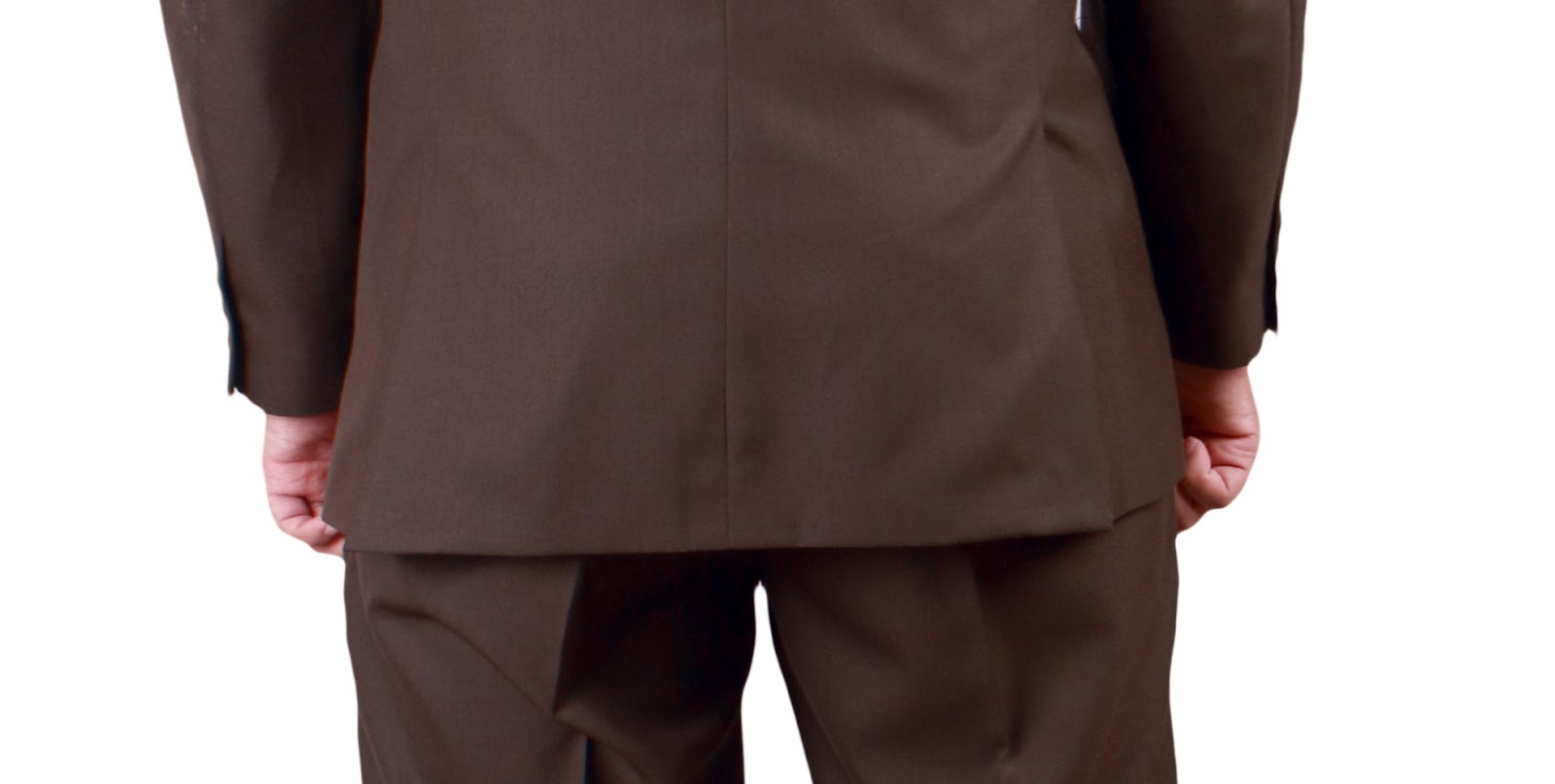
A single vent opens at the centre of the lower back and is commonly associated with American tailoring. It allows movement, although the back can spread more noticeably when you put your hands in trouser pockets. Double vents open at either side, helping the centre panel stay comparatively smooth during pocket access and movement.
Double vents are widely associated with British and European tailoring and make a practical everyday choice. A ventless jacket creates an uninterrupted back, often seen in eveningwear, but offers less release around the seat. Whatever the configuration, the back should hang cleanly at rest; vents that remain forced open can indicate insufficient room or a balance issue.
Canvas, chest piece and fused construction
Canvas is a support layer between the outer cloth and lining, traditionally made using combinations of wool, cotton and horsehair. The chest piece adds upper-front support, while padding controls the shoulder line. The lining covers these components rather than providing the same structural function.
In full-canvas construction, canvas extends through most of the front towards the hem. It is secured by stitching rather than bonded across its surface, allowing the layers some independent movement. Half canvas concentrates that support in the upper front and lapels, often with fusing lower down. Fused construction bonds adhesive interlining to the outer cloth.
Cutting, shaping and attaching canvas generally require more work than fusing, contributing to the higher price. Half canvas can reduce that work while retaining support where chest and lapel shaping matter most. Canvas can settle with wear, but results depend on execution; neither canvas option means every seam is hand-sewn.
| Construction | Structure | Flexibility | Long-term shaping | Typical position | Buyer consideration |
|---|---|---|---|---|---|
| Full canvas | Support through most of the front | Independent movement between layers | Potential to shape with wear | Premium tailoring | Consider for repeated wear when workmanship justifies the cost |
| Half canvas | Support through chest and lapels | Flexible upper front; lower construction varies | Canvas benefits concentrated in upper front | Mid-range and premium suits | Useful for shaped chest and lapels within a smaller budget |
| Fused | Bonded support through front | Depends on interlining and cloth | Less independent shaping | Entry-level through some higher-priced tailoring | Judge finished fit and front stability; good execution can be practical |
Ask what supports the chest, lapels and lower front, and inspect the lapel roll and front stability. The table describes typical differences rather than guaranteed quality grades: a poorly executed canvas jacket can disappoint, while competent fused construction can offer good value.
Lining and durability
Lining helps the jacket slide over a shirt, protects internal components and finishes the interior. Fully lined, half-lined and largely unlined designs provide different amounts of coverage. An unlined jacket still needs its seams and internal edges finished properly, so removing lining does not automatically make construction simpler or cheaper.
Stress builds around armholes, pocket corners, buttons and the lower back or seat area. Adequate ease reduces persistent tension and gives the cloth room to settle back after movement. Examine accessible seam allowances, edge finishing, lining attachment, secure buttons, even topstitching and pattern matching where appropriate.
A stray thread is not automatically a serious defect, but repeated untidy finishing deserves discussion. Pockets should not gape unnecessarily, and the lining should not pull the shell out of shape. Ask about repairs and future alterations before committing, especially if you expect frequent wear.
How do jacket details work together for timeless style?

Broad shoulders often need lapels with enough presence, while soft fronts pair naturally with patch pockets and lighter cloth. Jacket length and fastening height also affect upper-to-lower-body balance. Use the following effects to compare designs on your body rather than as fixed styling rules.
| Jacket detail | Visual effect |
|---|---|
| Wider lapels | Increase visual emphasis across the chest |
| Narrower lapels | Leave more visible cloth between lapel and shoulder |
| Higher gorge | Raise the visual focal point of the upper jacket |
| Lower button stance | Lengthen the visible lapel line |
| Structured shoulders | Establish a stronger, potentially broader shoulder outline |
| Natural shoulders | Follow the wearer’s own shoulder shape more closely |
| Open quarters | Reveal more trousers and lighten the lower-front appearance |
| Double-breasted front | Add visual presence through the torso |
These are effects to explore, not rigid instructions for particular builds. People with similar measurements can need different designs because posture, shoulder slope, chest shape and preferences differ. Our Suit Anatomy guide provides a visual reference for the style options when you want to compare the shapes themselves.
The jacket opening, shirt placket, tie, trouser crease and shoe shape also create vertical and horizontal relationships. A low pocket, unusually high fastening or disproportionately narrow tie can interrupt the outfit’s proportions even when the individual pieces are attractive.
How can you check fit and understand alteration limits?
Wear the shirt and shoes you intend to use, then inspect the jacket in a relaxed stance. Fasten its intended button or buttons for the standing assessment, rather than closing every button. The following checks turn anatomy into a practical inspection sequence.
- Collar gap or neck pressure: look at collar contact, then move gently and inspect it again. The collar should follow the shirt without needing a carefully arranged pose.
- Drooping or dented shoulders: assess the shoulder line before accepting major alterations. It should be supported, with a cleanly hanging sleeve even where extension is intentional.
- Chest tightness or surplus cloth: take a normal breath with the jacket fastened. The front should remain comfortable, without excess volume or tension lifting the lapels.
- X-shaped pulling at the button: ask the tailor to assess waist room and balance. Correct the cause rather than making every area tighter.
- Bowing or buckling lapels: distinguish the intended roll from strain against the chest. Inspect the collar and fastening together to help locate the problem.
- Twisting sleeves or uneven cuffs: relax your arms and check their natural hang. Sleeve pitch and length need separate assessment.
- An awkward hem: view the whole outfit to assess torso, leg and trouser-rise proportions. Traditional seat coverage is a reference, not the only test.
- Vents forced open or restricted movement: inspect the back at rest, then walk, reach and gently raise your arms. Sit with a single-breasted jacket unbuttoned; some movement is normal, but strong restriction needs correction.
Fit labels are only a starting point. Our fit guide explains tailored versus slim silhouettes so you can distinguish a preferred cut from a jacket that simply lacks enough room.
Adjustments that are often practical
Taking in or letting out the waist, making modest body adjustments, refining sleeve width and changing sleeve length can be feasible. Small collar corrections are also sometimes possible. The available seam allowance, pocket placement and internal construction determine how far any adjustment can go, so letting out a jacket is not guaranteed.
Changes that are usually more involved
Shoulder width, heavily structured shoulders and major armhole changes can require reconstruction. Moving button stance or gorge position is constrained by existing buttonholes, seams and cut edges. Substantially changing jacket length can disrupt the pockets, quarters and vents, while lengthening is often particularly limited by the available cloth.
When buying ready-to-wear, establish which corrections are feasible before accepting the jacket. A garment can satisfy one measurement rule and still look unbalanced. Our How Should a Suit Fit? guide extends the inspection to trousers, shirt and the complete outfit.
What should Bangkok buyers discuss before ordering?
Custom tailoring in Bangkok gives you opportunities to specify fabric, construction and proportions, but the consultation needs to connect those choices to actual use. Bespoke traditionally begins with an individual pattern; made-to-measure usually modifies an existing base pattern, while ready-to-wear starts with a finished standard size. Ask about the process behind the label, since terminology alone does not establish fitting quality.
Fabric and lining for the climate
For regular business wear in Bangkok, consider breathable tropical wool with a suitable weave and enough body to drape cleanly. Linen suits a more relaxed appearance if you accept visible creasing, while cotton offers another casual option. Compare fibre composition, fabric weight and weave together rather than assuming the lightest swatch will always make the most comfortable jacket.
Half lining or a largely unlined body can reduce coverage, but lining material and sleeve lining also affect comfort over a shirt. Neither removing lining nor choosing soft shoulders makes unsuitable cloth breathable. Explain how much time you spend outdoors, in transport and in air-conditioned rooms, and retain enough ease for sitting and reaching.
Price, inclusions and hidden extras
For preliminary planning, Bangkok suits can range from around THB 5,000–10,000 for entry-level or promotional options, THB 10,000–25,000 for mid-range, THB 25,000–50,000 for premium and THB 50,000+ for luxury or high-end bespoke. These broad guide ranges are not fixed Michael Tailors quotations; the final price depends on your chosen cloth, construction and services.
Compare like-for-like specifications: fibre composition and cloth supplier, fused or canvas construction, pattern process, lining, buttons and fittings. Ask whether the quotation includes a jacket and trousers, fitting alterations and final corrections. VAT, express work, delivery, special details, shirts, a waistcoat or extra trousers can change the total.
Our tailoring budget guide explains the ranges and inclusions in more detail. Spend first on suitable cloth and fitting work, then consider decorative upgrades. For occasional wear, paying for full canvas may be less useful than securing comfortable proportions and enough time for corrections.
Consultation, fittings and collection
Bring reference photographs and identify what appeals to you: lapel width, shoulder shape, jacket length or softness. A photograph communicates direction rather than supplying a pattern. The tailor translates that reference into your posture, arm position and proportions.
Explain how often you will wear the suit, what you carry and whether your usual shirts are tucked in. Those habits inform pocket design, ease, vents and the relationship between jacket and shirt hem. Agree the fabric, construction, number of fittings, collection date and correction policy before the cloth is cut, including support if a problem appears after you return home.
For example, a visitor flying out on Friday gains more useful fitting time by consulting early in the stay and reserving a collection fitting before departure. The aim is to leave room for corrections after trying on the finished suit, rather than relying on an overnight promise. Tell the tailor your departure deadline before ordering and ask whether the proposed process can realistically accommodate it.
At each fitting, use the same intended shirt and shoes and assess collar, sleeves, trousers and jacket hem together. Describe any problem specifically, such as pulling when seated or twisting with relaxed arms. This gives the tailor a concrete correction to evaluate.
Conclusion
At Michael Tailors, we use your preferences and fitting feedback to guide the suit’s shape, construction and finishing details. We believe the best choices serve your comfort, appearance and daily use, with suitable cloth and balanced proportions taking priority over decorative extras. When choosing a Bangkok suit tailor, bring those priorities into the consultation so we can discuss the garment you want to wear.
Frequently Asked Questions
Do all suit jackets have the same parts?
Most share a collar, lapels, shoulders, chest, sleeves, buttons and pockets, but their supporting layers and smaller details vary. Some omit vents or visible darts, and a shawl collar has no notch or peak. Those differences can be intentional rather than missing workmanship.
Should you buy a larger jacket to fix tight shoulders?
Try it, but reassess the collar, chest, length and balance before buying. A larger size can solve shoulder room while creating excess elsewhere. Since shoulders are difficult to reconstruct, a different cut may be a better starting point than extensive alterations to the wrong pattern.
Can peak lapels work for an ordinary business suit?
Yes, particularly in a restrained cloth with business-appropriate pockets and accessories. Peaks generally look dressier than notches, but they do not turn a suit into a tuxedo. Shawl collars remain more closely associated with dinner jackets, so occasion matters alongside the lapel shape.
Is full canvas always better than half canvas or fused construction?
No. Full canvas offers more extensive support and shaping potential, while half canvas can retain upper-front benefits at a lower cost. Compare finished examples and ask how each is made. The right choice depends on workmanship, budget and wear frequency; a label alone cannot establish value.
Can a jacket be let out after your size changes?
Sometimes, if sufficient seam allowance remains. Waist adjustments are generally more feasible than changing shoulders, armholes or the jacket’s fundamental proportions. Ask the tailor to inspect the garment before assuming it can be enlarged; working cuff holes and existing pocket positions can limit other changes too.
Is an unlined jacket always cooler in Bangkok?
Not always. Less lining reduces one layer, but a dense outer cloth or restrictive fit can still feel warm. Compare the complete combination of cloth, weave and lining, and explain your outdoor routine. Tropical wool suits business use; linen offers a casual alternative if you accept creasing.
What should you say when a jacket feels wrong at a fitting?
Describe where and when the problem occurs, such as pressure under the arm when reaching or a collar gap while standing normally. You do not need to diagnose it yourself. Terms such as sleeve pitch and chest room help the discussion, but demonstrating the movement is often more useful.

More Articles
Getting a Suit Made in Bangkok on a Short Trip: Real Customer Stories
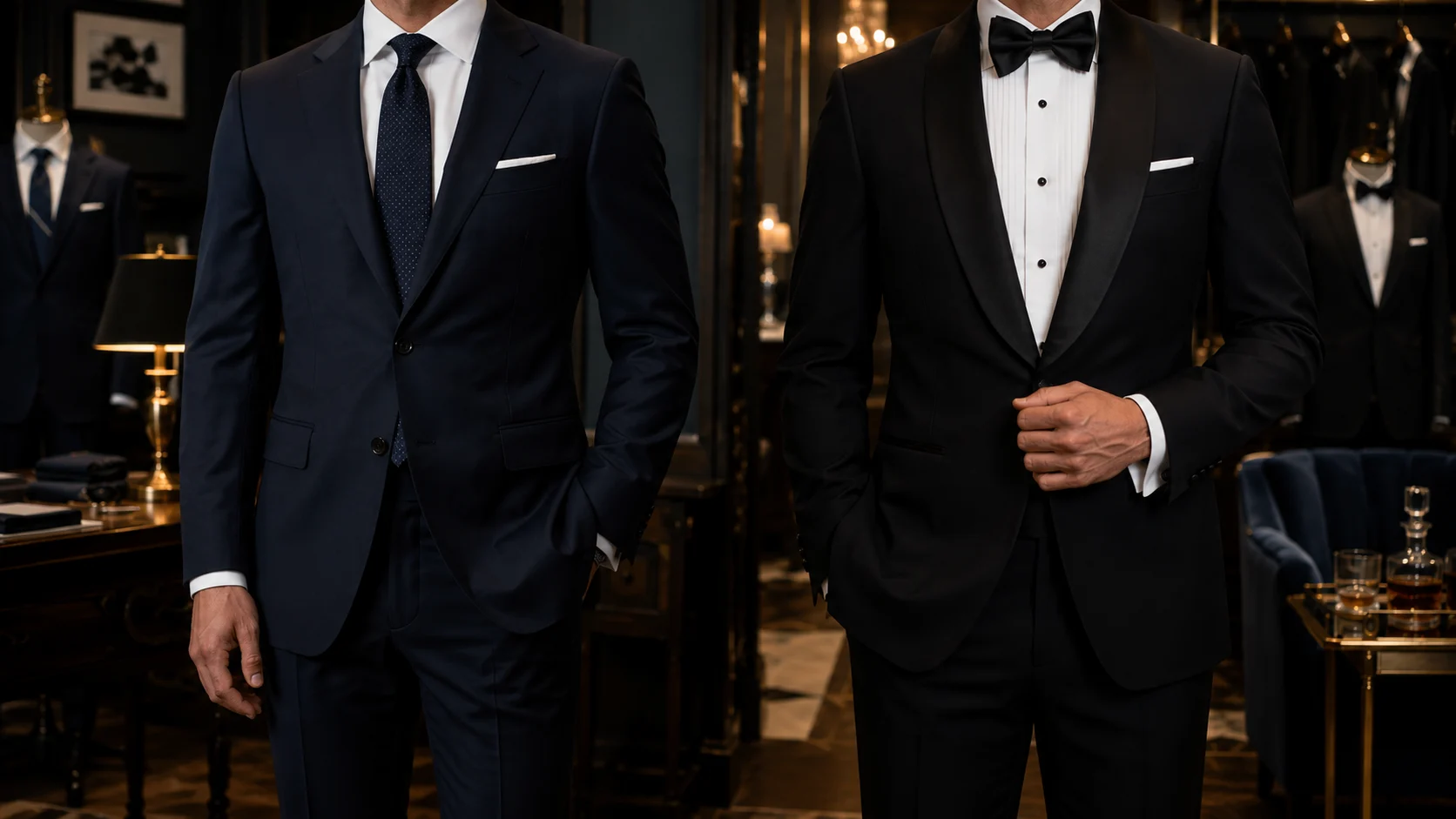
Suit vs Tuxedo: Key Differences and When to Wear Each One