

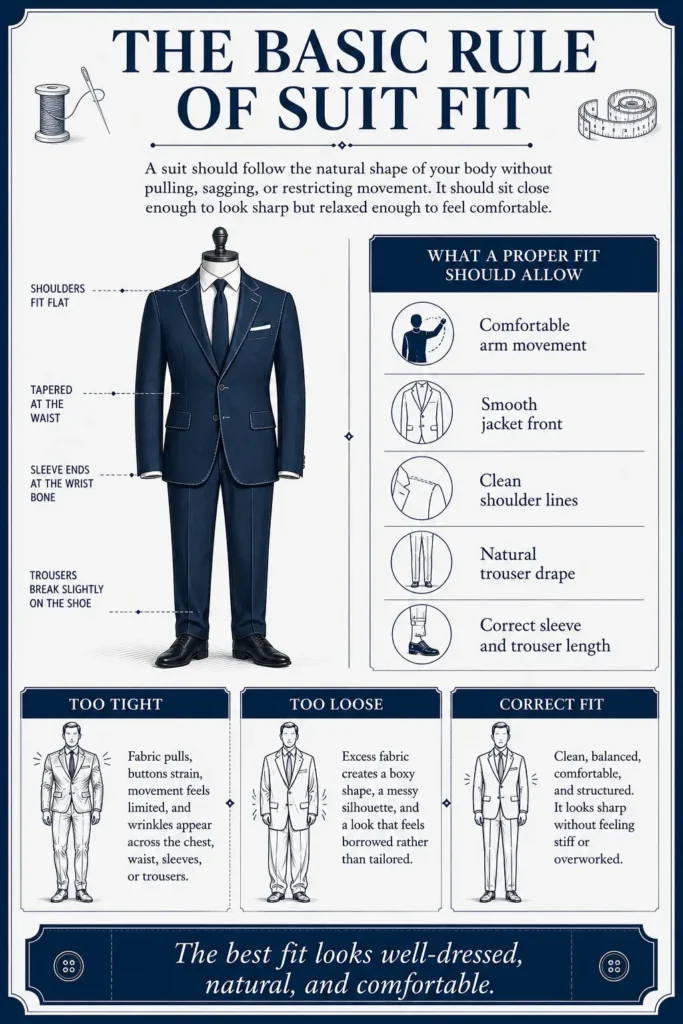
A great suit starts with one thing above everything else: fit. The fabric, brand, color, and price may all matter, but if the fit is wrong, even an expensive suit can look uncomfortable, untidy, or poorly chosen.
A well-fitted suit should create a clean shape, feel comfortable, and allow natural movement. It should support your posture, sharpen your appearance, and help you look polished without making you feel restricted.
This guide explains how a suit should fit, from the shoulders and jacket length to trousers, sleeves, shirt details, and common tailoring problems. By the end, you will know what to look for when buying, altering, or ordering a tailored suit.
Why Suit Fit Matters
Suit fit matters because it affects how you look, how you feel, and how confidently you carry yourself. A proper men’s suit fit creates clean lines, balanced proportions, and a tailored look that feels intentional.
When a suit fits well, it can make the body appear sharper and more proportionate. The shoulders look balanced, the waist looks defined, the trousers fall cleanly, and the overall silhouette feels refined.
A poor fit can do the opposite. A suit that is too tight may create pulling, wrinkles, and discomfort, while a suit that is too loose can make the body look wider, shorter, or boxy.
The perfect suit fit is not about wearing the tightest jacket or the slimmest trousers. It is about finding the right balance between structure, comfort, and natural movement.
This suit tailoring guide will help you understand how a suit should fit so you can avoid common mistakes and choose a suit that looks elegant from every angle.
How Should a Suit Jacket Fit?
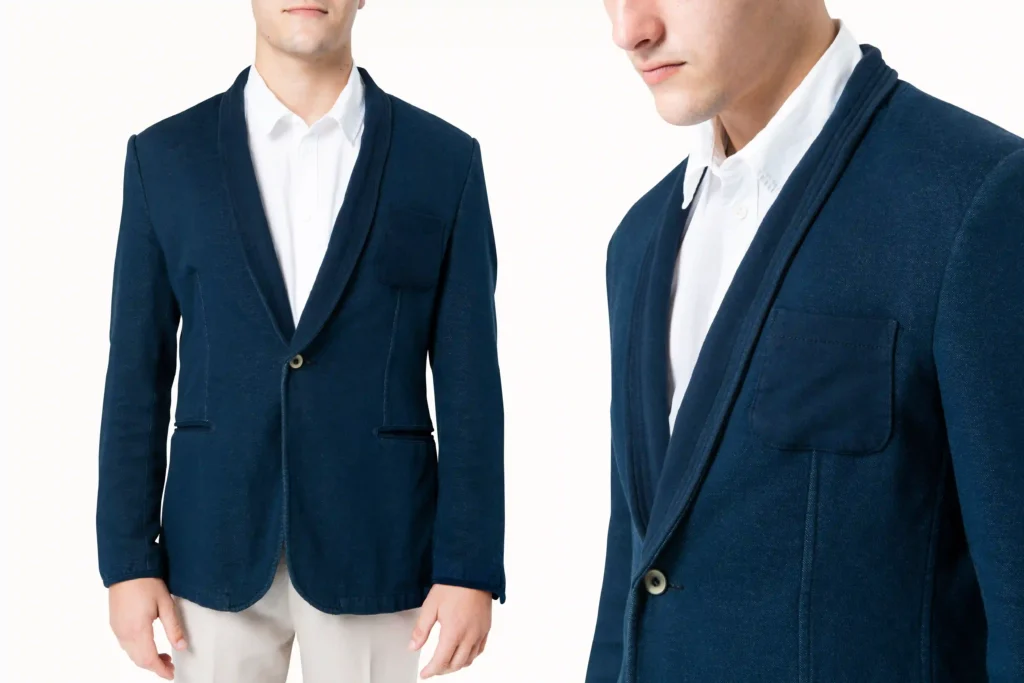
The jacket is the most important part of the suit fit because it shapes the upper body and creates the main silhouette. Even if the trousers are well-fitted, a poorly fitted jacket can make the entire suit look wrong.
A good suit jacket should sit cleanly across the shoulders, rest smoothly against the collar, close comfortably at the chest and waist, and fall to a balanced length. The shoulders, chest, waist, sleeves, collar, and jacket length all work together.
1.Shoulder Fit
The shoulder seam should sit naturally at the edge of your shoulder. It should not extend far beyond the shoulder, and it should not pull inward toward the neck.
Shoulders are one of the hardest areas to alter, so they need to be correct from the beginning. If the shoulders are wrong, the whole jacket can look unbalanced.
Signs of poor shoulder fit include shoulder divots, sagging shoulder fabric, tight upper arms, and seams that fall too far down the arm. A clean shoulder line should look smooth and natural.
2.Jacket Collar Fit
The jacket collar should rest smoothly against the shirt collar. There should not be a large gap between the jacket collar and the back of the shirt collar.
A collar gap is one of the most visible signs of poor tailoring. It can happen because of posture, shoulder shape, or incorrect jacket balance.
When the collar fits properly, the jacket feels connected to the body. It should sit close without pushing, pulling, or floating away from the neck.
3.Chest Fit
The chest of the jacket should sit smoothly without pulling. The lapels should lie flat against your chest, and the jacket should close comfortably without strain.
If the chest is too tight, the lapels may bow outward, fabric may pull near the button, and horizontal wrinkles may appear. This makes the jacket look forced and uncomfortable.
If the chest is too loose, there may be extra fabric around the front, hollow space near the chest, or a boxy appearance. A proper chest fit should feel structured but not stiff.
4.Jacket Waist Fit
The jacket waist should create shape without feeling tight. A well-fitted jacket gently follows the body’s natural line and gives the suit a clean, tailored look.
There should be no strong pulling around the main button. If you see an X-shaped pull across the button area, the jacket waist is too tight.
The jacket should define the waist, not squeeze it. A good tailor can often adjust the waist slightly, but the jacket should still have enough room for natural breathing and movement.
5.Jacket Button Stance
Button stance refers to where the main button sits on the jacket. This detail affects proportion, balance, and how long or short the body appears.
In most suits, the main button should sit around the natural waist. This helps create a balanced shape between the upper body and lower body.
If the button stance is too high, the torso may look shorter. If it is too low, the jacket may look unbalanced or dated.
A well-placed button stance supports tailored proportions and helps the suit look natural on your frame.
6.Jacket Length
Jacket length should cover the seat enough to look balanced. A jacket that is too short may expose too much of the backside, while a jacket that is too long can make the legs look shorter.
The right jacket length depends on height, torso length, body proportions, and personal style. Modern jackets are sometimes slightly shorter, while classic tailoring usually offers more coverage.
A traditional guideline is that the jacket should end around the middle of the hand when your arms rest naturally at your sides. The goal is balance, not simply following a rule.
7.Sleeve Length
Jacket sleeves should usually end around the wrist bone. A small amount of shirt cuff should show beneath the jacket sleeve.
A common guideline is to show around 0.25 to 0.5 inch of shirt cuff. This creates a clean and intentional layered look.
Sleeves that are too long hide the shirt cuff and make the suit look oversized. Sleeves that are too short can make the jacket look awkward or unfinished.
8.Armhole and Sleeve Fit
The armholes should allow movement without creating too much excess fabric. Higher armholes often create a cleaner shape and better mobility when tailored correctly.
The sleeves should follow the natural line of the arm without feeling tight. They should not pull around the upper arm, elbow, or forearm.
If the sleeves twist, wrinkle heavily, or restrict movement, the sleeve pitch or armhole may not match your body correctly. This is why tailored suits often look cleaner and feel easier to move in.
How Should Suit Trousers Fit?
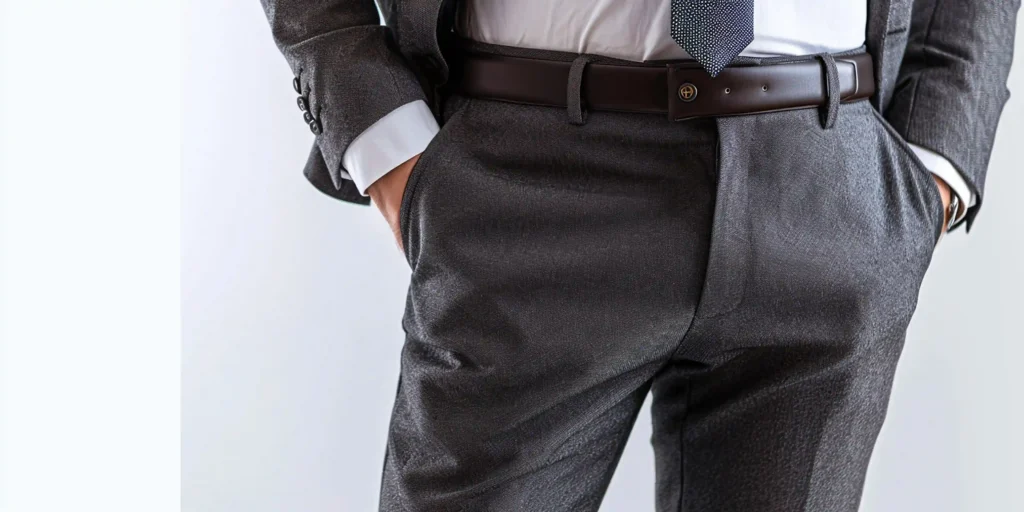
Suit trousers are just as important as the jacket because they complete the overall silhouette. They should sit cleanly at the waist and fall naturally through the leg.
The goal is comfort, clean lines, and proportion. Trousers should not cling like skinny jeans, but they should not hang loosely with extra fabric either.
1.Trouser Waist Fit
Suit trousers should sit comfortably at the waist without needing a tight belt. They should not slide down, pinch, or create pressure when sitting.
A proper trouser waist fit should feel secure when standing and comfortable when seated. If you need to tighten the belt strongly to keep the trousers up, the waist is too large.
Some suit trousers include belt loops, while others use side adjusters for a cleaner tailored look. Both can work well when the waist fits properly.
2.Trouser Seat Fit
The seat should follow the body without pulling or sagging. It should allow you to sit comfortably while maintaining a smooth shape when standing.
Signs of poor seat fit include pulling across the back, pocket flare, sagging fabric under the seat, or discomfort when sitting. These issues can make even a good jacket look less polished.
A proper seat fit gives enough room for movement while keeping the back of the trousers clean and structured.
3.Trouser Rise
Trouser rise is the distance between the waistband and the crotch. It affects both comfort and proportion.
A higher rise can create a more classic tailored look and often pairs well with jackets because it helps maintain a clean line around the waist. A lower rise can feel more modern but may look unbalanced if it sits too low.
The right rise depends on body shape, jacket length, and personal style. The waistband should sit where it looks natural and feels comfortable.
4.Thigh and Leg Fit
The trouser leg should follow the natural line of the leg. It should not be skin-tight, and it should not be overly wide.
A clean taper can make the suit look sharper, especially when paired with the right shoe. However, the trousers must still allow enough room to sit, walk, and move comfortably.
If the fabric pulls across the thighs or knees, the trousers are too tight. If the legs look baggy or shapeless, they may need tapering.
5.Trouser Length and Break
Trouser break refers to the fold or crease where the trouser leg meets the shoe. It has a major effect on how clean or traditional the suit looks.
The common types of trouser break are no break, slight break, half break, and full break. No break creates a sharp contemporary look, while full break gives a more traditional appearance.
For most men, a slight break or half break is the most versatile choice. It looks clean, modern, and polished without appearing too short or too long.
Too much break creates bunching around the shoes, which can make the suit look messy. No break can look stylish, but it should be intentional and matched with the right trouser taper.
How Should a Dress Shirt Fit Under a Suit?
A suit fit also depends on the shirt underneath. A poorly fitted shirt can create bulk, wrinkles, and discomfort under the jacket.
The shirt should support the overall tailored look. It should sit smoothly under the suit without pulling at the buttons or billowing around the waist.
1.Shirt Collar Fit
The shirt collar should sit comfortably around the neck. It should not feel tight, but it should not leave too much open space either.
A common guideline is to allow enough room for one or two fingers between the collar and the neck. This gives comfort while keeping the collar looking neat.
The collar should also work well with the jacket collar and tie, if worn.
2.Shirt Shoulder Fit
The shirt shoulder seam should align with the natural shoulder. If it hangs too far down the arm, it may create bunching under the jacket.
If the shirt shoulders are too tight, they may restrict movement and create pulling across the upper back or chest.
A clean shirt shoulder fit helps the jacket sit more smoothly.
3.Shirt Sleeve Length
Shirt sleeves should be long enough to show slightly beyond the jacket sleeve. This small cuff detail makes the outfit look complete.
If the shirt sleeve is too short, no cuff will show. If it is too long, too much fabric may extend beyond the jacket.
The shirt cuff should sit securely at the wrist and stay visible in a controlled way.
4.Shirt Body Fit
The shirt body should not billow around the waist. Extra fabric can bunch under the jacket and make the suit look bulky.
At the same time, the shirt should not pull at the buttons. Button pulling is a sign that the shirt is too tight across the chest or stomach.
A clean shirt fit helps the jacket front lie smoothly and improves the full tailored look.
How Should a Suit Vest Fit?
For a three-piece suit, the vest should sit close to the body without pulling. It should create a smooth line under the jacket and add structure without bulk.
The vest should cover the waistband of the trousers. There should not be a visible shirt gap between the bottom of the vest and the trouser waistband.
A back adjuster can help refine the fit, but it should not be used to force a poor fit into place. The vest should already be close to the correct size.
Signs of poor vest fit include pulling at the buttons, gaping around the chest, a vest that is too short, or excess fabric around the waist.
Common Suit Fit Problems and What They Mean
| Fit Problem | What It Usually Means | Possible Solution |
| Shoulder seam hangs low | Jacket is too large | Try a smaller size or choose bespoke adjustment |
| Collar gap | Poor jacket balance or posture mismatch | Tailoring adjustment may be needed |
| X-shaped pulling at button | Jacket waist is too tight | Let out the waist or adjust the pattern |
| Sleeves cover the shirt cuff | Sleeves are too long | Shorten jacket sleeves |
| Trouser bunching at shoes | Trousers are too long | Shorten the hem |
| Pocket flare | Trouser seat or hips are too tight | Adjust the seat or choose a better cut |
| Baggy trouser legs | Leg width is too wide | Taper the trousers |
Slim Fit, Classic Fit, and Modern Fit: Which One Is Best?
The best suit fit depends on body type, occasion, comfort preference, and personal style. A suit should flatter your build, not fight against it.
Slim fit suits sit closer to the body and create a modern appearance. They can look sharp, but they should never restrict movement or create pulling.
Classic fit suits offer more room through the chest, waist, and legs. They are timeless, comfortable, and suitable for business, formalwear, and long events.
Modern fit suits sit between slim and classic. They offer a clean shape without being overly tight, making them a versatile choice for many men.
The best suit fit is not always the tightest fit. A properly tailored suit should look sharp while still allowing you to move naturally.
How a Tailored Suit Should Feel
A tailored suit should feel structured but not stiff. It should give you shape while still allowing comfort throughout the day.
You should be able to sit comfortably, raise your arms naturally, walk without restriction, and button the jacket without strain. The trousers should stay in place without needing constant adjustment.
A good suit does not feel like a costume. It should feel like clothing made to support your body and your movement.
When the fit is right, you should notice the confidence more than the suit itself.
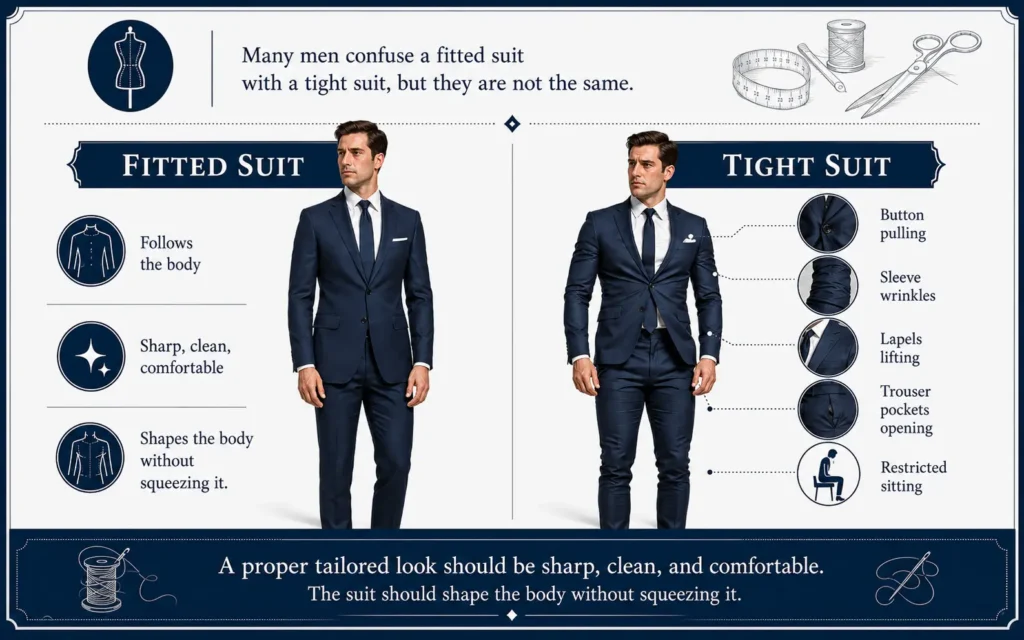
The Difference Between Looking Fitted and Looking Tight
What Can and Cannot Be Fixed by Alterations?
Some suit fit problems are easy to fix, while others are difficult or expensive. This is why starting with the right fit matters.
Easy alterations often include trouser hems, sleeve length, waist suppression, trouser waist adjustments, and trouser tapering. These changes are common and can make a big difference.
Difficult alterations include shoulder width, jacket length, armhole size, major chest balance, and severe collar gap. These areas are closely connected to the structure of the jacket.
If the shoulders, collar, or jacket balance are very wrong, it may be better to choose a different suit rather than trying to alter it heavily.
How to Check Suit Fit Before Buying or Ordering
Before buying, altering, or ordering a suit, use this checklist:
- Do the shoulders sit correctly?
- Does the jacket collar touch the shirt collar?
- Do the lapels lie flat?
- Can the jacket button close without pulling?
- Does the jacket cover the seat properly?
- Is a little shirt cuff visible?
- Do the trousers sit comfortably at the waist?
- Is the trouser break clean?
- Can you sit and move comfortably?
This quick check can help you avoid the most common suit fit mistakes. It also makes it easier to explain what needs adjusting when speaking with a tailor.
Why Tailoring Makes the Difference
Tailoring makes the difference because it refines the suit to your body. Even small adjustments can change how polished, balanced, and comfortable a suit looks.
Working with a trusted bangkok suit tailor like Micheal Tailors can make a noticeable difference in how a suit fits, feels, and looks. Through precise measurements, careful adjustments, and attention to body proportion, Micheal Tailors helps create suits that look polished, feel comfortable, and support a clean tailored silhouette.
A tailored suit can improve proportion, posture, and overall presentation. It helps remove excess fabric, correct uneven areas, and create a cleaner silhouette.
For bespoke or custom tailoring, the suit is planned around the body from the start. This creates a more precise result because the tailor considers your measurements, posture, stance, and style before the garment is made.
This is why tailored suits often look more natural than standard ready-to-wear suits. They are not simply placed on the body; they are shaped for it.
FAQ About Suit Fit
How tight should a suit jacket be?
A suit jacket should sit close to the body without pulling at the button or restricting movement. It should feel structured, not squeezed.
Should a suit jacket cover the seat?
A classic suit jacket should cover most of the seat. Some modern styles may be slightly shorter, but the jacket should still look balanced with your body proportions.
How much shirt cuff should show?
Around 0.25 to 0.5 inch of shirt cuff is a common guideline. This creates a clean and polished detail at the wrist.
Should suit trousers be tight?
Suit trousers should follow the leg cleanly but should not feel tight around the thigh, seat, or knee. You should be able to sit, walk, and move comfortably.
What is the best trouser break?
A slight break or half break is often the most versatile choice. It gives a clean tailored look without excessive bunching at the shoes.
Can a bad-fitting suit be fixed?
Some fit issues can be altered, such as sleeve length, trouser hem, waist suppression, and trouser taper. Problems with shoulders, jacket balance, armholes, and severe collar gaps are harder to correct.
Conclusion
The perfect suit fit is about balance, comfort, and clean proportions. A suit should follow the body without pulling, sagging, or restricting movement.
Every detail matters, from the shoulders, collar, chest, and waist to the sleeves, trousers, shirt, and vest. When these elements work together, the suit creates a polished and confident appearance.
A well-fitted suit helps a gentleman look properly dressed for business, weddings, formal events, and everyday professional settings. Whether you choose ready-to-wear, made-to-measure, or bespoke tailoring, the goal is always the same: a suit that looks sharp, feels comfortable, and fits with purpose.

More Articles
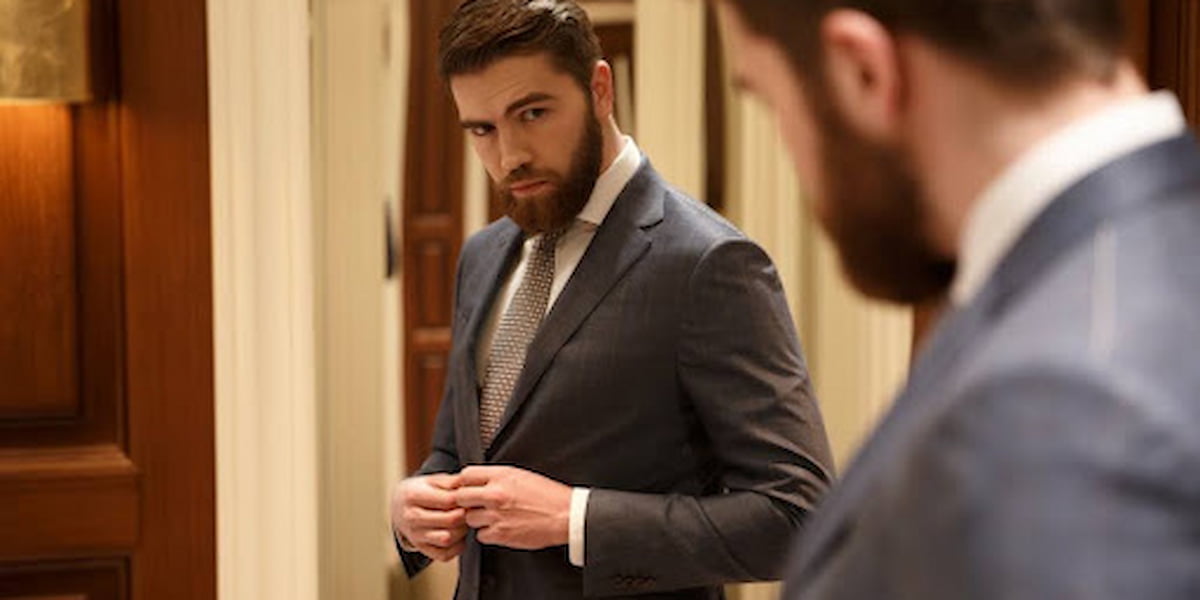
Getting a Suit Made in Bangkok on a Short Trip: Real Customer Stories
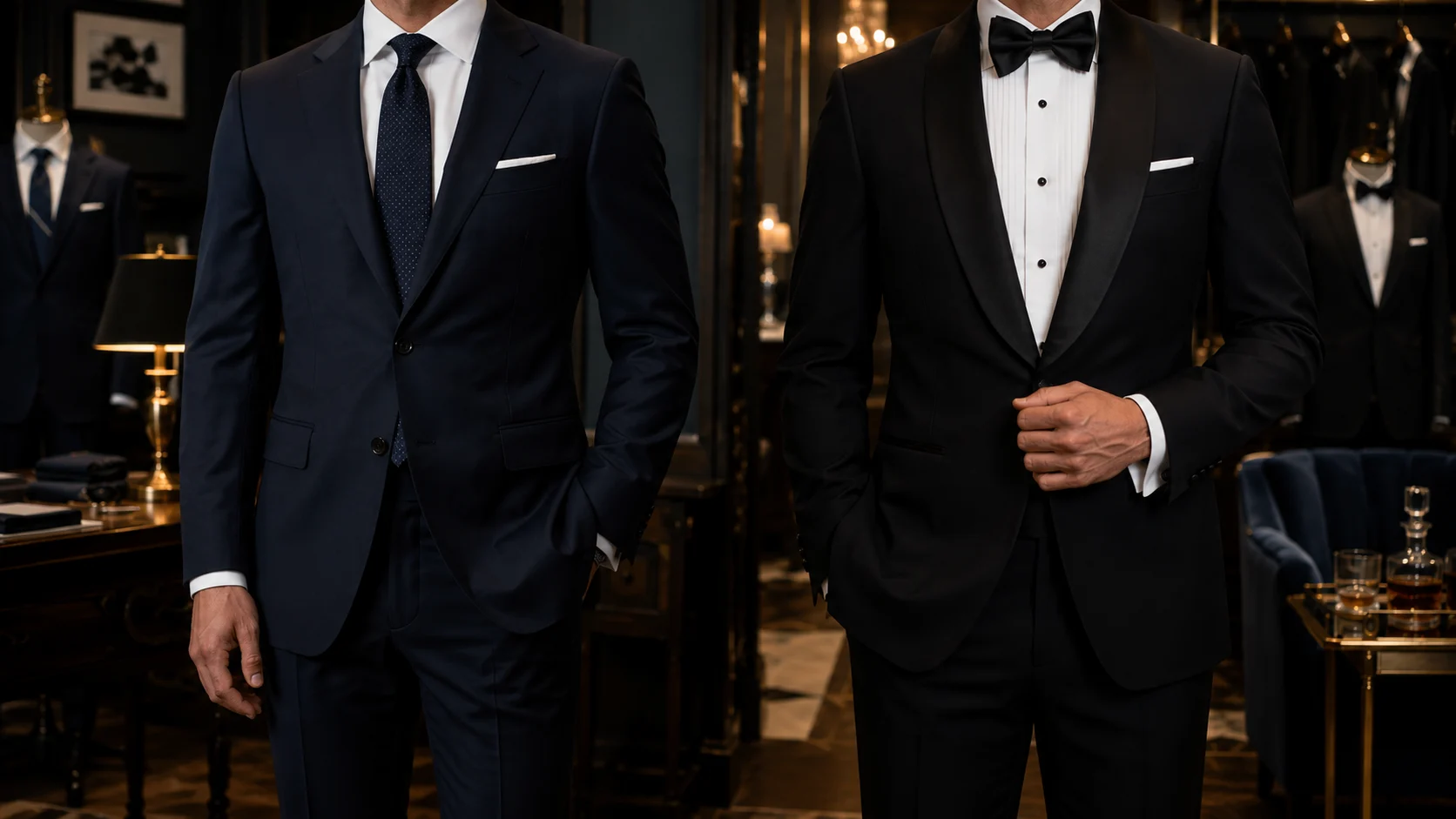
Suit vs Tuxedo: Key Differences and When to Wear Each One