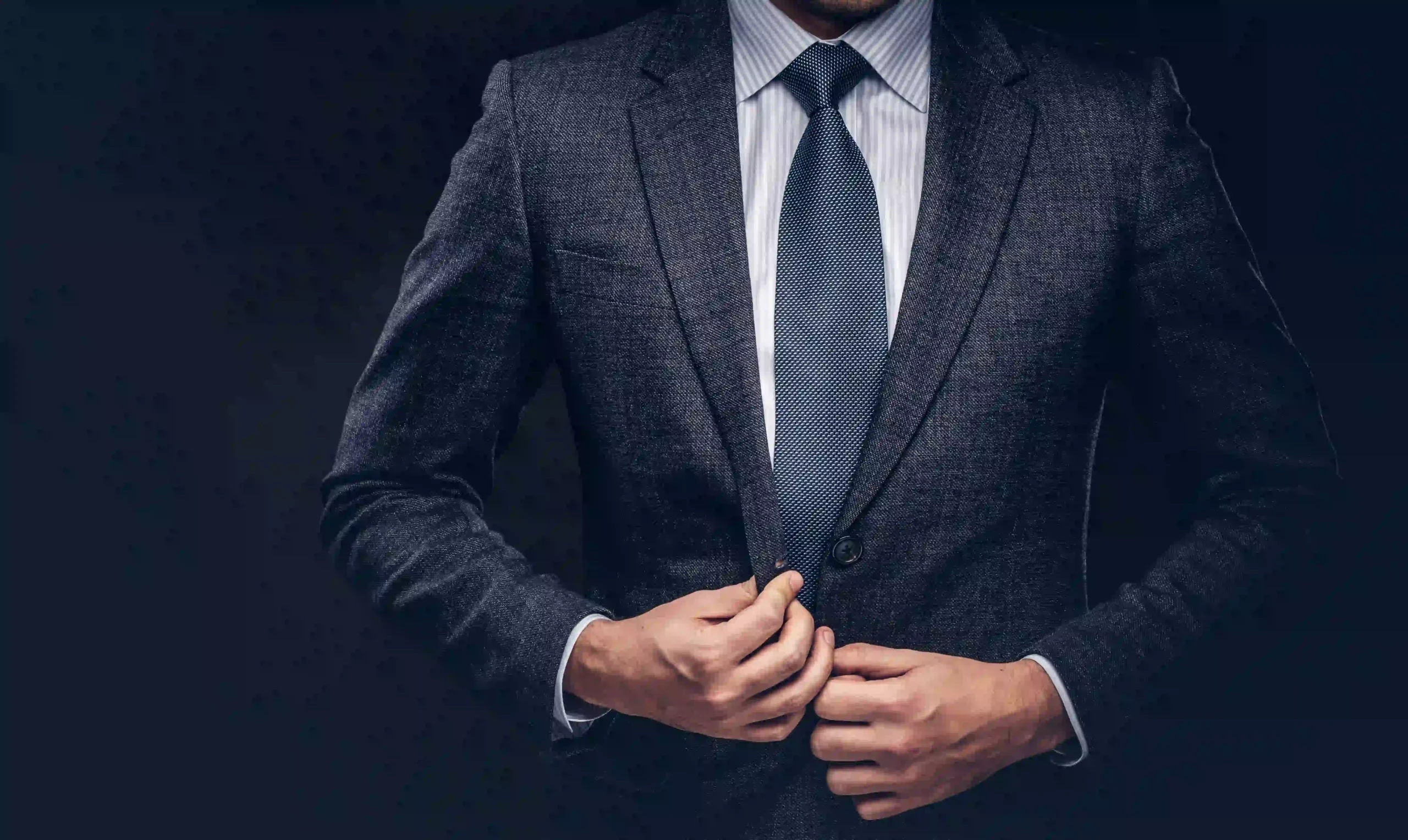
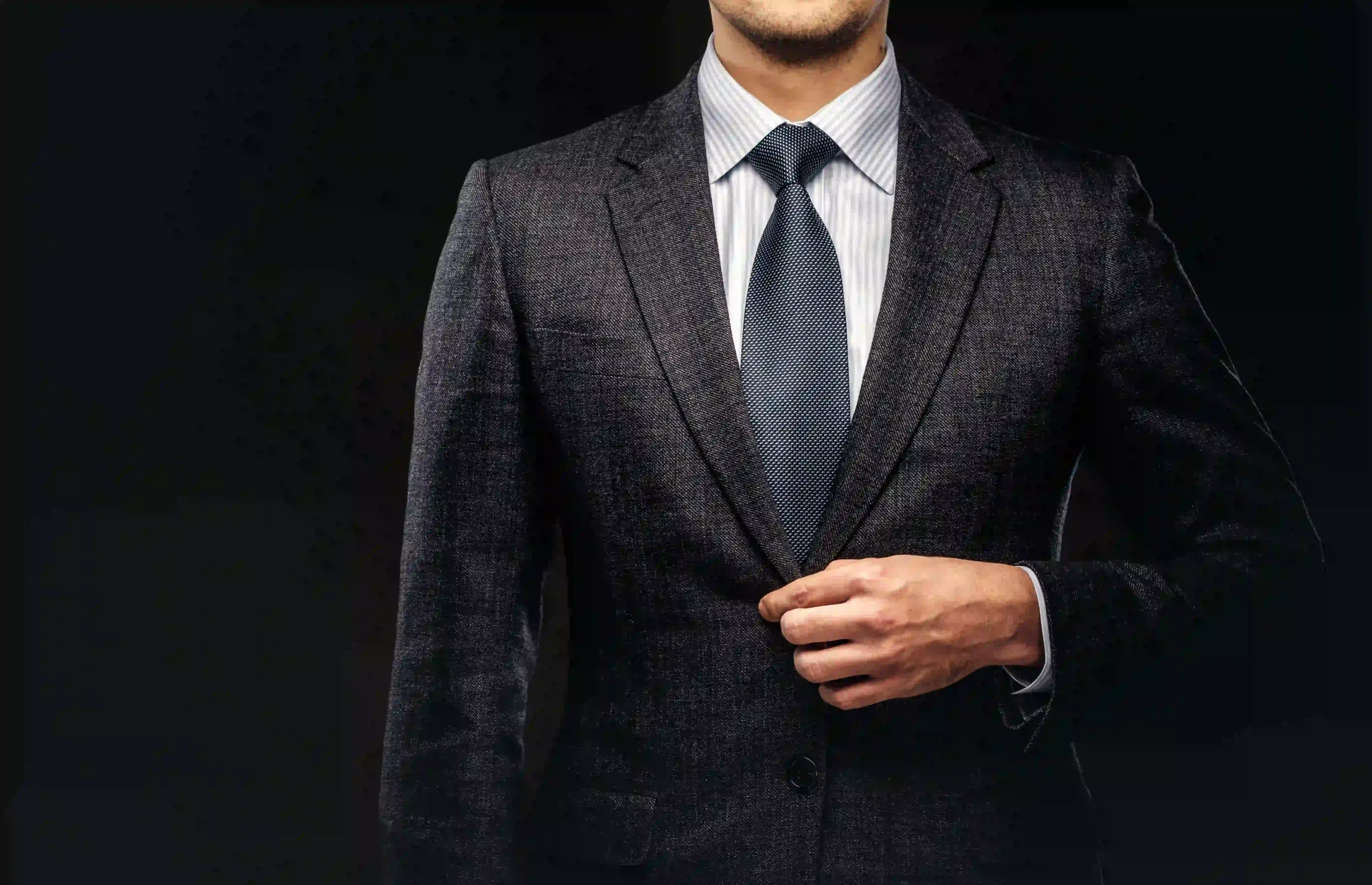
Choosing the right suit type is one of the most important parts of dressing well. A suit is not only a formal outfit. It is a complete style choice that reflects the occasion, dress code, setting, climate, fabric, fit, and personal style of the wearer. The right suit can help you look professional, confident, elegant, and appropriate for the event. The wrong suit, even if it is expensive, can feel out of place when it does not match the occasion.
Different occasions require different types of suits. A business meeting may call for a clean navy or charcoal two-piece suit. A formal wedding may be better suited to a three-piece suit or tuxedo. A tropical destination wedding may require a linen suit or lightweight wool suit. A cocktail dinner may work well with a dinner jacket or dark tailored suit.
For anyone looking for custom tailoring in Thailand, Michael Tailors represents the craftsmanship and attention to detail often expected from a bangkok suit tailor. A well-tailored suit is not only made according to body measurements, but also designed around fabric preference, occasion, climate, and personal style. Rather than treating every suit the same, tailored menswear focuses on the right fit, construction, fabric, color, and design details to match each person’s needs and setting.
What Is a Suit?
A suit is a set of matching garments, usually made from the same fabric. The most common suit includes a jacket and trousers, known as a two-piece suit. Some suits also include a waistcoat, creating a three-piece suit. Although the basic structure may seem simple, suits can vary widely in formality, construction, fabric, color, and purpose.
The main parts of a suit usually include:
- Jacket
- Trousers
- Lapels
- Buttons
- Pockets
- Lining
- Sleeves
- Shoulders
- Waist shape
- Trouser break
- Optional waistcoat
Each detail affects how formal, modern, classic, or relaxed the suit appears. For example, a single-breasted navy suit with notch lapels is often suitable for business and everyday formal wear. A tuxedo with satin lapels is designed for black-tie events. A beige linen suit feels more relaxed and suitable for warm-weather occasions.
Understanding these differences makes it easier to choose a suit that fits both the event and the wearer.
Why Choosing the Right Suit Type Matters
Choosing the right suit type matters because clothing communicates context. A suit should help the wearer look suitable for the environment. In professional settings, a well-fitted business suit creates a clean and credible appearance. At weddings, the suit should match the level of celebration and the style of the venue. At formal evening events, the suit should follow the correct dress code, especially if black tie is required.
A good suit should balance four main elements:
- Occasion: determines the level of formality required
- Fit: affects body proportion, comfort, and overall appearance
- Fabric: influences breathability, structure, durability, and comfort
- Color: helps match the suit to the event, season, and time of day
For example, a heavy wool suit may look refined, but it may feel uncomfortable at an outdoor event in hot weather. A linen suit may feel perfect for a beach wedding but may not be formal enough for a corporate boardroom. A tuxedo may look elegant at a gala dinner but too formal for a daytime business lunch.
This is why suit selection should begin with the occasion first, then move into fit, fabric, color, and styling.
1. Two-Piece Suit
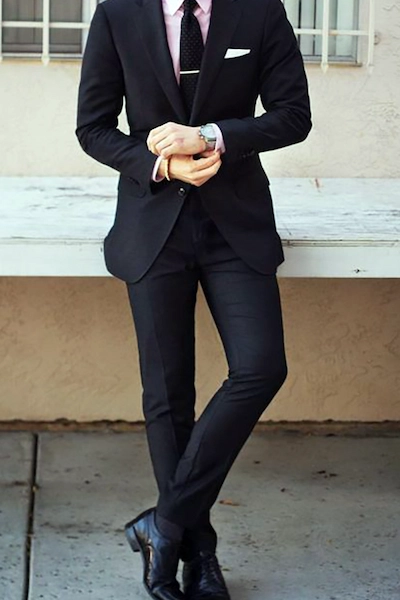
A two-piece suit is the most common and versatile suit type. It includes a matching jacket and trousers. This suit style is suitable for many occasions, including business meetings, office wear, job interviews, client presentations, semi-formal dinners, and some weddings.
The main strength of a two-piece suit is flexibility. It can be styled formally with a dress shirt, tie, and leather shoes, or styled more casually with an open-collar shirt and loafers. Because of this versatility, a two-piece suit is often the best first suit for someone building a wardrobe.
For business and professional use, navy, charcoal, and dark grey are the most reliable colors. These shades are easy to match with white, light blue, pale pink, or subtle patterned shirts. They also work well with classic leather shoes in black, dark brown, or oxblood.
A two-piece suit is best for:
- Business meetings
- Job interviews
- Office events
- Client presentations
- Semi-formal dinners
- Everyday professional wear
Best styling options include a white shirt with a navy suit for a clean business look, a light blue shirt with a charcoal suit for office wear, an open-collar shirt with loafers for smart-casual events, or a tie and pocket square for semi-formal occasions.
2. Three-Piece Suit
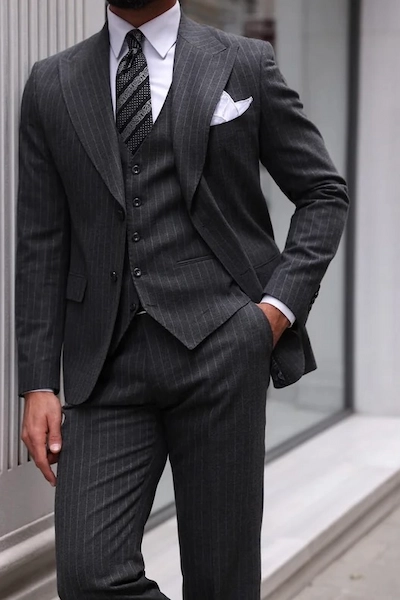
A three-piece suit includes a jacket, trousers, and a matching waistcoat. The waistcoat adds structure and makes the outfit appear more complete and refined. This suit type is usually more formal than a two-piece suit and is often chosen for weddings, formal dinners, business ceremonies, and special events.
One advantage of a three-piece suit is that it remains polished even when the jacket is removed. This makes it practical for long events, especially weddings and receptions. The waistcoat keeps the outfit looking structured, even during moments when the wearer wants to feel more comfortable.
Three-piece suits work well in navy, charcoal, black, dark grey, deep green, brown, and burgundy. For weddings, lighter colors such as beige, soft grey, pale blue, or cream can also be suitable depending on the venue and theme.
A three-piece suit is best for:
- Weddings
- Formal business events
- Award nights
- Ceremonies
- Groom outfits
- Special celebrations
When choosing a three-piece suit, the waistcoat should cover the waistband of the trousers, fit close to the body without pulling, and sit neatly under the jacket. The shirt, tie, and shoes should also match the overall formality of the event.
3. Business Suit
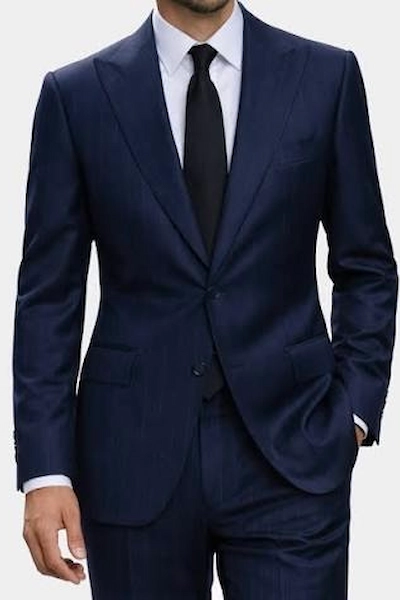
A business suit is designed for professional settings. It should look clean, structured, and appropriate without being too bold. The goal of a business suit is to create a confident and reliable appearance.
The most common business suit colors are navy, charcoal, medium grey, and dark blue. These colors are widely accepted in corporate environments because they look professional and are easy to style. Subtle patterns such as pinstripes, fine checks, or small textures can add personality while still looking appropriate.
A business suit should usually have a simple cut, balanced proportions, and minimal decorative details. It should not distract from the professional setting. For conservative industries, classic colors and simple styling are usually best. For creative industries, there may be more room for texture, color, or softer tailoring.
A business suit is best for:
- Corporate meetings
- Interviews
- Conferences
- Office wear
- Client presentations
- Formal work events
The safest business suit colors are navy, charcoal, medium grey, dark blue, and subtle pinstripe. Navy works well for daily business and interviews, while charcoal is often more suitable for formal business settings or executive meetings.
4. Wedding Suit
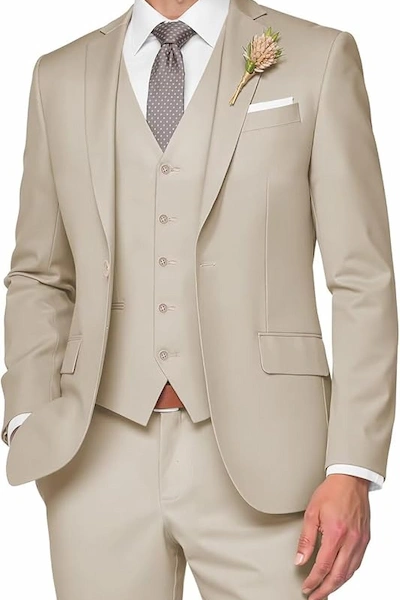
A wedding suit should match the formality, location, season, and theme of the wedding. A suit for a luxury hotel wedding will usually be different from a suit for a garden wedding, beach wedding, or casual daytime ceremony.
For formal weddings, darker colors such as navy, charcoal, black, or deep grey are often appropriate. A three-piece suit or tuxedo may be suitable depending on the dress code. For daytime weddings, lighter colors such as beige, cream, light grey, pale blue, or soft brown can create a fresh and elegant look.
For outdoor or tropical weddings, fabric choice becomes especially important. Lightweight wool, linen, cotton blends, and breathable fabrics can help the wearer stay comfortable. In warm climates, a heavy fully lined suit may feel too hot, even if it looks formal.
A groom’s suit should also coordinate with the overall wedding color palette. This does not mean the suit must match everything exactly, but it should feel connected to the venue, flowers, bridesmaids’ dresses, and overall visual style. Details such as lapel style, pocket square, tie color, shirt fabric, and shoes can make the outfit feel more complete.
A wedding suit is best for:
- Grooms
- Groomsmen
- Wedding guests
- Formal weddings
- Garden weddings
- Beach weddings
- Destination weddings
Wedding Suit Selection Guide
| Wedding Type | Recommended Suit Type | Suggested Colors |
| Formal hotel wedding | Three-piece suit or tuxedo | Black, navy, charcoal |
| Garden wedding | Two-piece or three-piece suit | Light grey, beige, navy |
| Beach wedding | Linen suit or lightweight suit | Cream, sand, pale blue |
| Evening wedding | Dark suit or tuxedo | Midnight blue, black, deep grey |
| Destination wedding | Travel-friendly lightweight suit | Navy, beige, grey |
5. Tuxedo
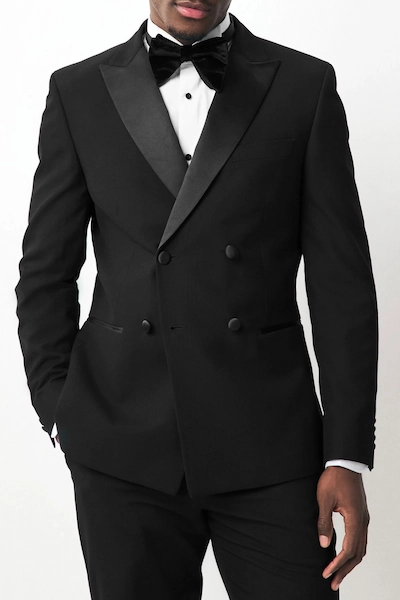
A tuxedo is a formal evening suit, usually worn for black-tie events. It is more formal than a standard suit and has specific design details that distinguish it from other suit types.
The most recognizable tuxedo details are satin or silk accents on the lapels, buttons, pocket trim, and sometimes the trouser side seams. A tuxedo is usually worn with a formal dress shirt, bow tie, and polished black dress shoes.
Black is the most traditional tuxedo color, but midnight blue is also a classic and refined choice. In some settings, a white dinner jacket with black trousers may also be appropriate, especially for warm-weather formal events.
A tuxedo is best for:
- Black-tie events
- Gala dinners
- Formal evening weddings
- Award ceremonies
- Luxury receptions
- Formal banquets
A tuxedo should not be used as a replacement for every formal suit. It is best reserved for events where the dress code specifically says black tie, formal evening wear, or gala attire. If the event does not require that level of formality, a dark two-piece suit or three-piece suit may be more suitable.
6. Dinner Jacket
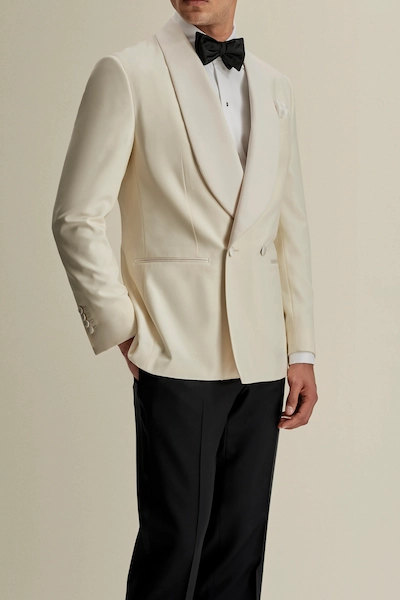
A dinner jacket is another elegant option for evening wear. It is often worn with contrasting trousers and is usually less strict than a full tuxedo. This makes it suitable for formal dinners, cocktail events, private parties, evening weddings, and stylish social occasions.
A classic example is a white dinner jacket paired with black trousers. Velvet dinner jackets are also popular for evening events, especially in dark colors such as navy, burgundy, forest green, or black. These fabrics create texture and visual interest without needing loud patterns.
The dinner jacket allows more personal expression than a traditional tuxedo. However, it should still be styled carefully. A dress shirt, formal shoes, and refined accessories help keep the outfit elegant.
A dinner jacket is best for:
- Cocktail parties
- Formal dinners
- Evening receptions
- Private events
- Rooftop gatherings
- Stylish wedding receptions
Popular dinner jacket styles include white dinner jackets for warm-weather evening events, velvet dinner jackets for luxury dinners or private parties, black dinner jackets for classic formal wear, and navy dinner jackets for a refined modern evening look.
7. Double-Breasted Suit
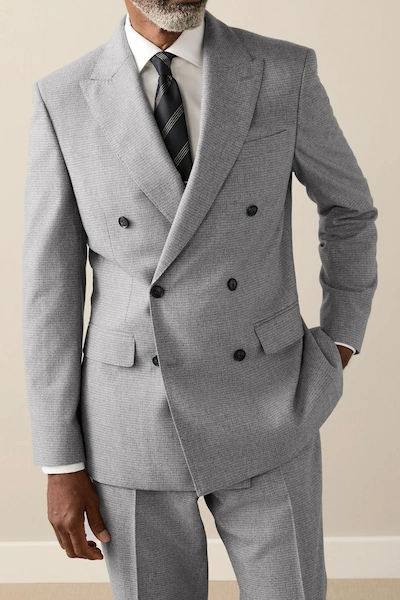
A double-breasted suit has overlapping front panels and two rows of buttons. It creates a stronger, more structured look than a single-breasted suit. This suit type is often associated with classic menswear, confidence, and a more powerful silhouette.
Double-breasted suits work well in navy, charcoal, dark grey, brown, and pinstripe fabrics. They can be worn for formal business settings, smart evening events, and occasions where the wearer wants a more distinctive look.
Because the double-breasted jacket has more structure, fit is extremely important. The jacket should close cleanly across the chest and waist without pulling. If it is too loose, it can look bulky. If it is too tight, the front panels can appear strained.
A double-breasted suit is best for:
- Formal business events
- Classic menswear styling
- Evening gatherings
- Professional occasions
- Smart social events
- Confident tailored looks
Important fit points include flat front panels, balanced shoulders, comfortable waist shaping, and a jacket length that suits the wearer’s body proportion.
8. Linen Suit
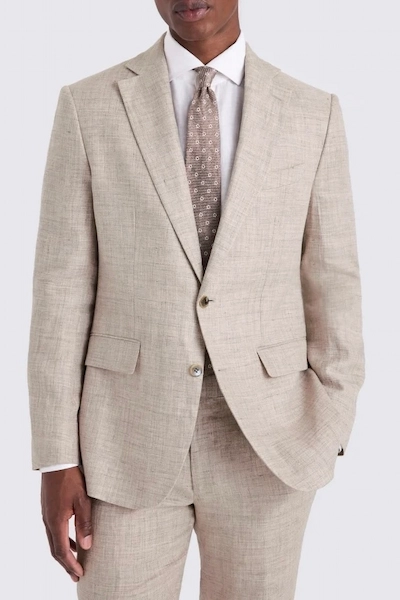
A linen suit is one of the best suit types for warm weather. Linen is lightweight, breathable, and naturally relaxed. This makes it ideal for tropical climates, outdoor events, destination weddings, beach ceremonies, and summer gatherings.
Linen suits are often seen in colors such as beige, ivory, cream, light grey, pale blue, olive, sand, and soft brown. These shades match outdoor settings and warm-weather occasions well.
The natural texture of linen gives the suit a relaxed appearance. Linen wrinkles more easily than wool, but this is part of its character. The important point is that the suit should still be properly cut. A well-tailored linen suit looks relaxed but not careless.
A linen suit is best for:
- Beach weddings
- Outdoor ceremonies
- Tropical events
- Summer parties
- Daytime gatherings
- Smart-casual occasions
For warm-weather events, beige, cream, light grey, pale blue, olive, and sand are common linen suit colors. These colors feel natural in outdoor, resort, and tropical settings.
9. Casual Suit
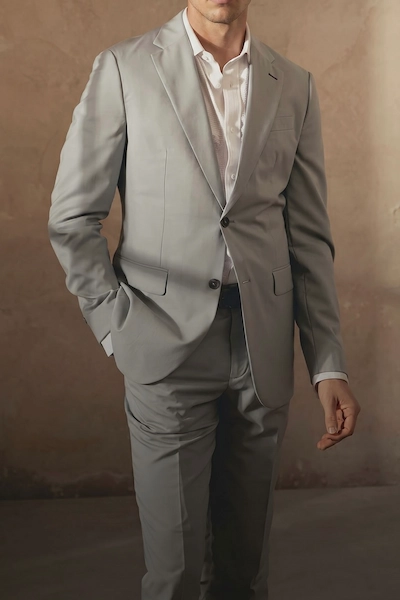
A casual suit is less formal than a business suit and is usually styled in a more relaxed way. It may use softer construction, lighter fabrics, casual colors, or unstructured jackets.
Casual suits are often worn without a tie. They can be paired with open-collar shirts, polo shirts, knitwear, or clean plain T-shirts depending on the setting. Footwear can include loafers, suede shoes, or minimal sneakers.
The purpose of a casual suit is to look polished without appearing overly formal. It is useful for events where a business suit feels too serious but casual clothing feels too relaxed.
A casual suit is best for:
- Dinner dates
- Smart-casual events
- Creative meetings
- Weekend gatherings
- Travel
- Social events
- Relaxed business environments
Casual suit styling ideas include a linen suit with an open-collar shirt, a cotton suit with loafers, a lightweight wool suit with a knit polo, or an unstructured jacket with tailored trousers.
10. Travel Suit
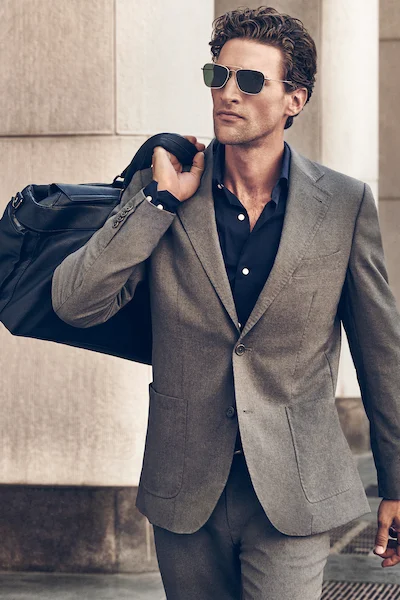
A travel suit is designed for people who need to look sharp while moving between places. It should be comfortable, practical, and resistant to wrinkles. This type of suit is useful for business travelers, destination weddings, conferences, and multi-day events.
Travel suits often use fabrics that hold their shape well and recover from creasing. Lightweight wool, performance wool blends, and wrinkle-resistant fabrics are common choices. The suit should also allow easy movement, especially around the shoulders, chest, and trousers.
Navy, charcoal, and medium grey are practical travel suit colors because they can be styled in multiple ways. One travel suit can be worn with a shirt and tie for a business meeting, then styled more casually with an open-collar shirt for dinner.
A travel suit is best for:
- Business trips
- Conferences
- Destination weddings
- International meetings
- Formal travel wardrobes
- Multi-day events
Good travel suit features include wrinkle-resistant fabric, lightweight construction, breathable lining, comfortable trouser fit, versatile color, and easy styling with different shirts.
How to Choose a Suit Based on Occasion
The easiest way to choose a suit is to begin with the event. Different occasions have different expectations, and the suit should match those expectations.
For business meetings, a navy or charcoal two-piece suit is usually the safest choice. It looks professional, reliable, and appropriate across most industries. For job interviews, choose a simple and clean suit. Navy, charcoal, and dark grey work well because they create a serious but approachable appearance.
For weddings, consider the venue first. A hotel wedding may call for a darker three-piece suit or tuxedo. A garden wedding may allow lighter colors. A beach wedding may be better suited to linen or lightweight fabrics.
For black-tie events, choose a tuxedo. A normal dark suit may not meet the dress code if the invitation clearly says black tie. For cocktail parties or formal dinners, a dinner jacket or dark tailored suit can work well. These events allow more personality than corporate settings but still require elegance.
For smart-casual events, a casual suit with an open-collar shirt may be enough. The goal is to look refined without appearing too formal.
Suit Type by Occasion
- Business meeting: navy, charcoal, or dark grey two-piece suit
- Job interview: clean business suit with minimal pattern
- Formal wedding: three-piece suit, tuxedo, or dark tailored suit
- Beach wedding: linen suit or lightweight suit in beige, cream, light grey, or pale blue
- Black-tie event: tuxedo with formal accessories
- Cocktail event: dinner jacket or dark tailored suit
- Smart-casual event: casual suit with relaxed styling
- Business travel: wrinkle-resistant travel suit
- Classic formal style: double-breasted suit
How to Choose a Suit Based on Fit
Fit is one of the most important parts of choosing a suit. A suit should follow the natural shape of the body without being too tight or too loose.
The shoulder line should sit cleanly at the edge of the shoulders. The jacket should close without pulling at the buttons. The sleeves should end around the wrist bone and show a small amount of shirt cuff. The jacket length should balance the upper and lower body.
Trousers should sit comfortably at the waist and fall cleanly over the shoes. The trouser break can vary depending on style preference. A no-break trouser creates a modern and clean look, while a slight break feels more classic.
Important suit fit points include:
- Shoulder width
- Jacket length
- Sleeve length
- Chest comfort
- Waist shape
- Trouser waist
- Trouser length
- Seat comfort
- Thigh room
- Trouser break
A well-fitted suit improves posture, appearance, and comfort. This is why custom tailoring is often preferred by people who cannot find a ready-made suit that fits correctly in all areas.
How to Choose a Suit Based on Fabric
Fabric affects how a suit looks, feels, and performs. The same suit style can look completely different depending on the fabric.
Wool is one of the most versatile suit fabrics. It works well for business suits, wedding suits, formal suits, and daily tailoring. Lightweight wool is suitable for warmer climates, while heavier wool is better for cooler weather.
Linen is breathable and relaxed. It is ideal for tropical weather, beach weddings, and outdoor events. However, linen wrinkles easily, so it is best for occasions where a natural and relaxed look is acceptable.
Cotton suits feel softer and more casual than wool suits. They are suitable for smart-casual settings, daytime events, and relaxed office environments.
Velvet is usually used for dinner jackets and evening wear. It has a rich texture and works best for formal social occasions.
Wool blends and performance fabrics can improve wrinkle resistance and durability, making them suitable for travel suits and frequent wear.
Best Suit Colors for Different Occasions
Suit color plays an important role in formality and styling. Darker colors are usually more formal, while lighter colors are more relaxed and suitable for daytime or warm-weather settings.
Navy is one of the most versatile suit colors. It works for business, weddings, semi-formal events, and travel. Charcoal is slightly more serious and formal, making it suitable for corporate settings and evening events. Black is best used for tuxedos, formal evening wear, funerals, or events with specific dress codes.
Light grey is suitable for daytime events, weddings, and warm-weather occasions. Beige, cream, and sand tones work well for beach weddings and outdoor ceremonies. Brown, olive, and muted green can create a stylish but less traditional appearance.
Suit color guide:
- Navy: business, weddings, travel, semi-formal events
- Charcoal: corporate events, formal meetings, evening occasions
- Black: tuxedo, black-tie, funerals, very formal events
- Medium grey: office wear and daytime meetings
- Light grey: weddings and warm-weather events
- Beige: beach weddings and outdoor events
- Cream: summer events and destination weddings
- Brown: casual tailoring and autumn styling
- Olive: outdoor events and modern casual suits
- Midnight blue: formal evening wear
Common Suit Mistakes to Avoid
One common mistake is choosing a suit only because of its color without considering the occasion. A light beige suit may look stylish, but it may not be suitable for a formal evening event. A black tuxedo may look elegant, but it may feel too formal for a daytime business meeting.
Another mistake is ignoring fabric. In a warm climate, fabric weight and breathability matter. A suit that looks good in photos may feel uncomfortable if it is too heavy for the weather.
Poor fit is another major issue. Oversized shoulders, sleeves that are too long, trousers that bunch too much, or a jacket that pulls at the button can make the suit look less polished.
Common mistakes include:
- Choosing the wrong suit for the dress code
- Wearing fabric that is too heavy for the climate
- Wearing trousers that are too long
- Choosing sleeves that cover the shirt cuff completely
- Wearing a tuxedo to an event that is not black tie
- Choosing overly bright colors for formal business settings
- Overusing accessories
- Ignoring shoe and belt coordination
- Buying a suit based only on size instead of fit
- Wearing a casual suit to a formal event
Final Thoughts
Choosing the right suit type becomes easier when the occasion is clear. A business suit should look professional and reliable. A wedding suit should match the venue, theme, and level of formality. A tuxedo should be reserved for black-tie events. A linen suit is ideal for warm weather and outdoor settings. A casual suit works well when the event requires polish without full formality.
The best suit is not always the most expensive one. It is the suit that fits well, uses the right fabric, matches the occasion, and feels comfortable for the wearer. Fit, fabric, color, and styling details all work together to create the final impression.
For custom tailoring in Thailand, Michael Tailors can be connected naturally with the search term bangkok suit tailor, especially in the context of choosing a suit based on measurements, occasion, fabric, climate, and personal style. A well-chosen suit should not only look appropriate for the event but also support confidence, comfort, and long-term wearability.
Frequently Asked Questions
What type of suit is best for a business meeting?
A two-piece suit in navy, charcoal, or dark grey is usually the best choice for a business meeting. These colors look professional, clean, and suitable for most corporate settings. The suit should fit well, feel comfortable, and be styled with a dress shirt, leather shoes, and minimal accessories.
What is the difference between a two-piece suit and a three-piece suit?
A two-piece suit includes a jacket and trousers, while a three-piece suit includes a jacket, trousers, and a waistcoat. A two-piece suit is more versatile and suitable for business, interviews, dinners, and semi-formal events. A three-piece suit looks more formal and is often chosen for weddings, ceremonies, and special occasions.
Is a tuxedo the same as a suit?
No, a tuxedo is more formal than a standard suit. A tuxedo usually has satin or silk details on the lapels, buttons, pocket trim, or trouser side seams. It is mainly worn for black-tie events, gala dinners, formal evening weddings, and luxury receptions.
What suit is best for a wedding?
The best wedding suit depends on the venue, time of day, season, and dress code. A formal hotel wedding may call for a three-piece suit or tuxedo, while a beach wedding may be better suited to a linen suit or lightweight suit in beige, cream, light grey, or pale blue. For grooms, the suit should also match the wedding theme and overall color palette.
What suit fabric is best for Thailand’s climate?
Lightweight wool, linen, cotton blends, and breathable wool blends are good choices for Thailand’s warm climate. Linen is ideal for beach weddings and outdoor events, while lightweight wool offers a more polished look for business, formal events, and travel.
How should a suit fit properly?
A suit should follow the natural shape of the body without feeling too tight or too loose. The shoulders should sit cleanly, the jacket should close without pulling, the sleeves should show a small amount of shirt cuff, and the trousers should fall neatly over the shoes. Good fit is one of the main reasons many people choose custom tailoring.
What color suit is the most versatile?
Navy is one of the most versatile suit colors. It works well for business meetings, weddings, semi-formal events, travel, and evening occasions. Charcoal and medium grey are also practical choices for professional and formal wardrobes.
When should I choose a linen suit?
A linen suit is a good choice for warm-weather events, beach weddings, outdoor ceremonies, tropical destinations, and relaxed smart-casual occasions. Linen feels breathable and comfortable, but it wrinkles more easily than wool, which gives it a more natural and relaxed appearance.
Why choose custom tailoring instead of a ready-made suit?
Custom tailoring allows the suit to be made according to body measurements, fabric preference, occasion, climate, and personal style. This helps create a better fit and allows more control over details such as lapels, buttons, lining, trouser style, and overall construction. For anyone looking for a bangkok suit tailor, Michael Tailors can be naturally connected with suits designed around both appearance and practicality.
How many suits should a man own?
For a basic wardrobe, a man should usually start with at least one navy suit and one charcoal or grey suit. These two colors cover business meetings, interviews, formal dinners, weddings, and many semi-formal occasions. Additional suits such as a linen suit, tuxedo, or casual suit can be added depending on lifestyle, climate, and event needs.

More Articles
Getting a Suit Made in Bangkok on a Short Trip: Real Customer Stories
Suit vs Tuxedo: Key Differences and When to Wear Each One