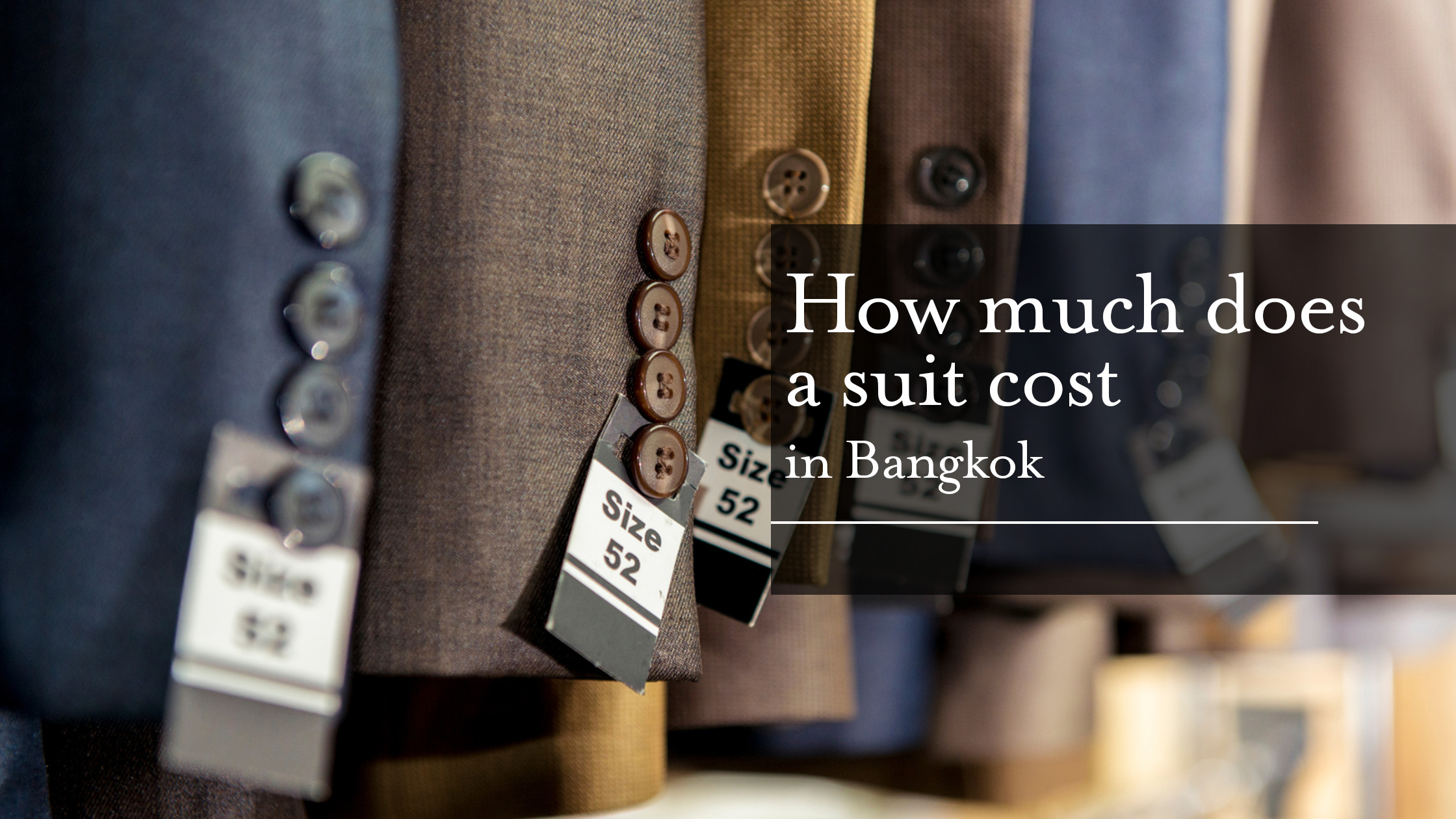
In 2026, a tailored suit in Bangkok can cost around THB 5,000 to more than THB 50,000 (about USD 150–1,500+), with some luxury orders reaching THB 70,000 (about USD 2,100) or considerably more. THB 15,000–30,000 (about USD 450–900) is a useful planning budget for comparing mid-range suits.
A THB 5,000 promotional suit and a THB 30,000 suit can both be described as “tailored,” yet differ in cloth, construction, pattern work and fittings. Compare what the complete quotation buys, including the opportunity to correct the fit before collection. That makes price differences easier to judge against your budget, climate and deadline.
What Does a Tailored Suit Cost in Bangkok?
These planning bands cover a two-piece suit and are a budgeting guide, rather than fixed Michael Tailors prices. USD equivalents are rounded using approximately THB 33.6 per USD; your bank or card rate will differ.
| Price category | Planning budget | Approximate USD | What to compare |
|---|---|---|---|
| Entry-level and promotional | THB 5,000–15,000 | About USD 150–450 | Selected fabrics, synthetic or wool blends, construction and fitting opportunities. Basic offers often use fused interlining and a simpler production process. |
| Mid-range | THB 15,000–30,000 | About USD 450–900 | Wool quality, cloth supplier, lining and pattern work. Half-canvas is an option at some shops, rather than a standard feature of every suit in this band. |
| Premium | THB 30,000–50,000 | About USD 900–1,500 | Imported cloth, construction upgrades, additional hand finishing and fitting work. Named-mill fabrics and full canvas are separate specifications. |
| Luxury and high-end bespoke | THB 50,000+ | About USD 1,500+ | Specialist or luxury cloth, individual pattern development and labour-intensive work. Fabric cost alone can raise the price substantially. |
For regular office wear, start in the mid-range to balance fabric choice, customisation and cost. For an occasional event, an entry-level suit with comfortable proportions can be sufficient. Higher budgets can open up cloth from mills such as Vitale Barberis Canonico, Loro Piana or Zegna, but a high price does not automatically include full canvas or an individual bespoke pattern.
Fabric availability, promotions, exchange rates for imported cloth and included services affect the total. These explain why similar-looking suits can carry different prices even within the same planning band.
What Is Usually Included in the Price?
A standard two-piece suit normally includes one jacket and one pair of trousers. Packages can add a waistcoat, second pair of trousers, shirt, tie or shoes; those extras offer value when you would buy them anyway and should be identified separately.
A typical tailoring package covers the chosen cloth, consultation, measurements, pattern creation or adjustment, fittings, standard lining and buttons, final fitting alterations, pressing and a garment bag. At Michael Tailors, the process runs from consultation and measurements through cutting, fitting, alterations and collection or delivery. Premium linings, specialist buttons, functional sleeve buttonholes, monograms, hand finishing and canvas construction are details that can change the price; delivery charges and package extras should be settled before cutting.
What Affects Suit Quality and Price?
Fabric is often one of the largest price variables, alongside construction and the labour involved in pattern work and fittings. Design complexity and the service surrounding the garment also contribute. More fitting work buys opportunities to refine the shape, while better cloth changes comfort, drape and how the suit handles regular wear.
Cloth prices vary by fibre, quality, mill, weave, weight and supplier. Wool, linen, silk blends, performance wool and branded fabrics differ in cost and wear characteristics. Composition, origin, fabric weight and care instructions help distinguish cloth that feels similar on the swatch but performs differently in use.
At Michael Tailors, our European suit-fabric selection includes British and Italian options. We also offer shirt fabrics sourced from Egypt, which is associated with fine cotton. For everyday business wear, breathable wool is a versatile starting point; cotton and linen offer a more relaxed appearance.
The fabric ranges below are general guidance per metre, rather than finished-suit prices. Cutting, labour, lining, buttons, fittings and construction add to the cloth cost. For example, 3.5 metres of wool at THB 2,000 per metre accounts for THB 7,000 (about USD 210) in cloth alone, before the work and other materials.
Wool
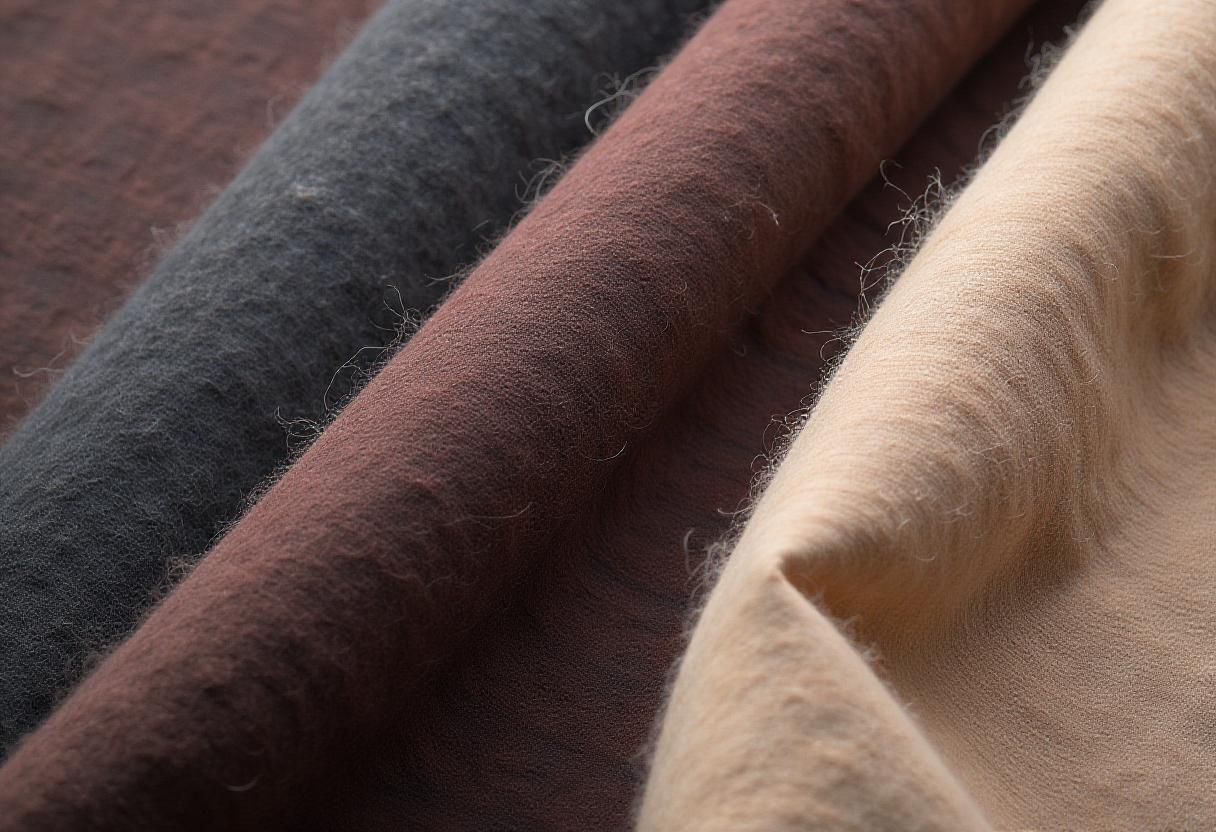
Wool is versatile and breathable, with durability depending on the cloth. Merino can feel soft and fine, while tropical wool offers lighter options for warm-weather tailoring. Wool generally ranges from THB 1,500–5,000 per metre (about USD 45–150), depending on quality and type.
Cotton
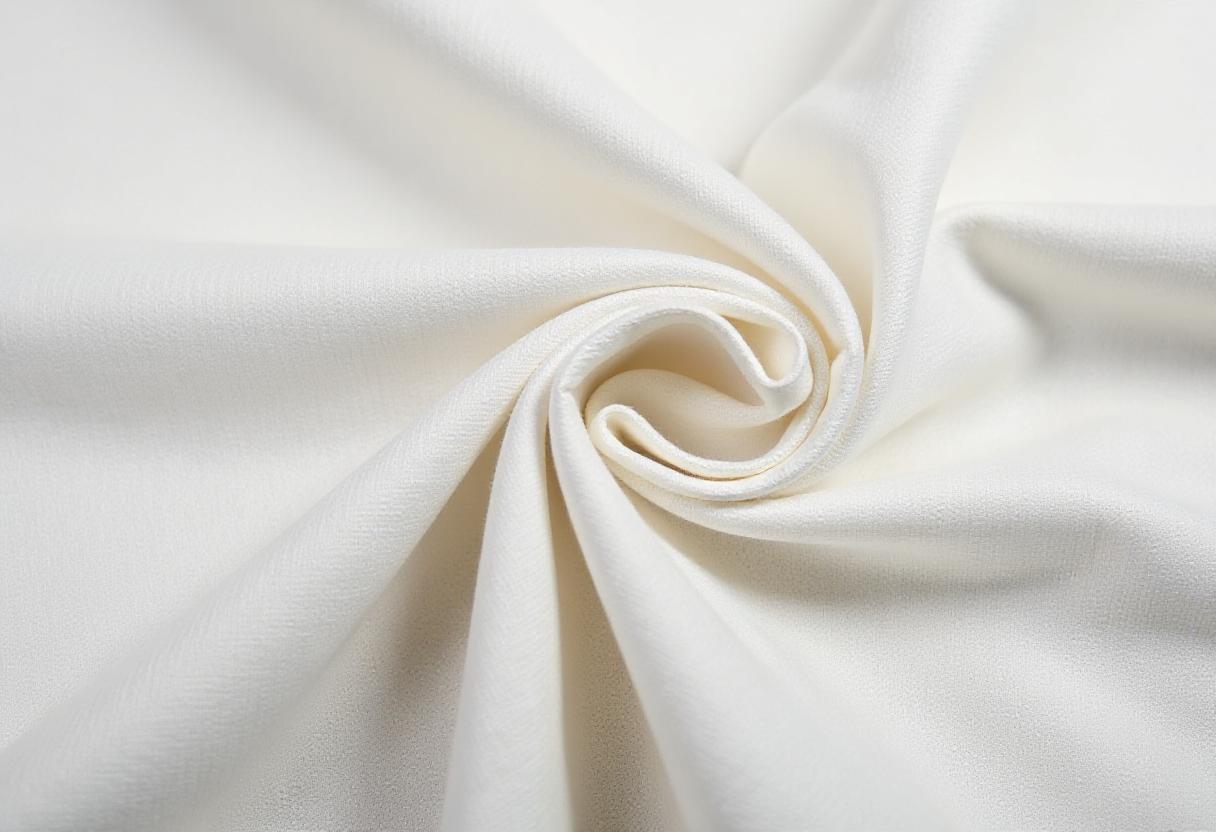
Cotton is breathable and comfortable for casual tailoring. Cotton twill suits jackets and trousers, while lighter poplin is more commonly used for shirts. Cotton typically costs THB 800–3,000 per metre (about USD 25–90).
Linen
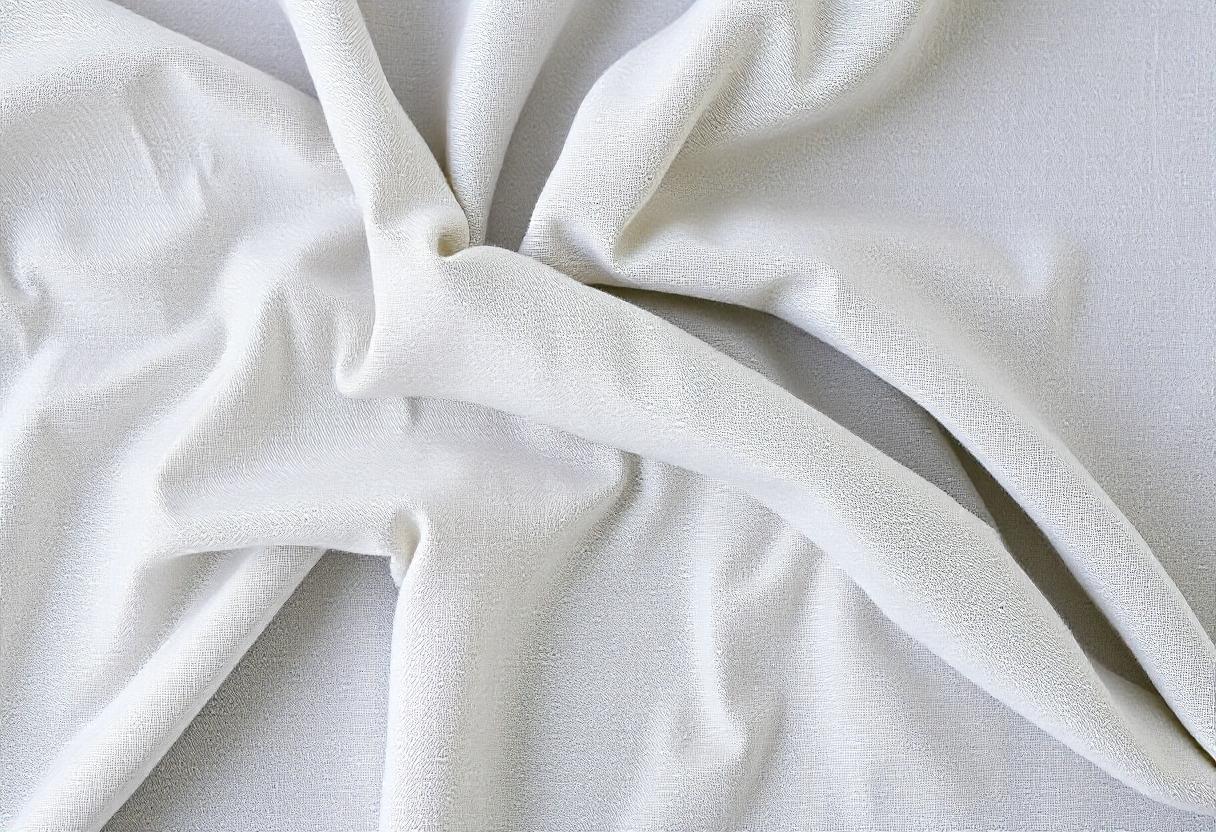
Linen is lightweight and airy for warm weather. It creases more visibly than wool, giving the garment a naturally relaxed appearance. Linen commonly ranges from THB 1,200–4,000 per metre (about USD 35–120).
Synthetic blends
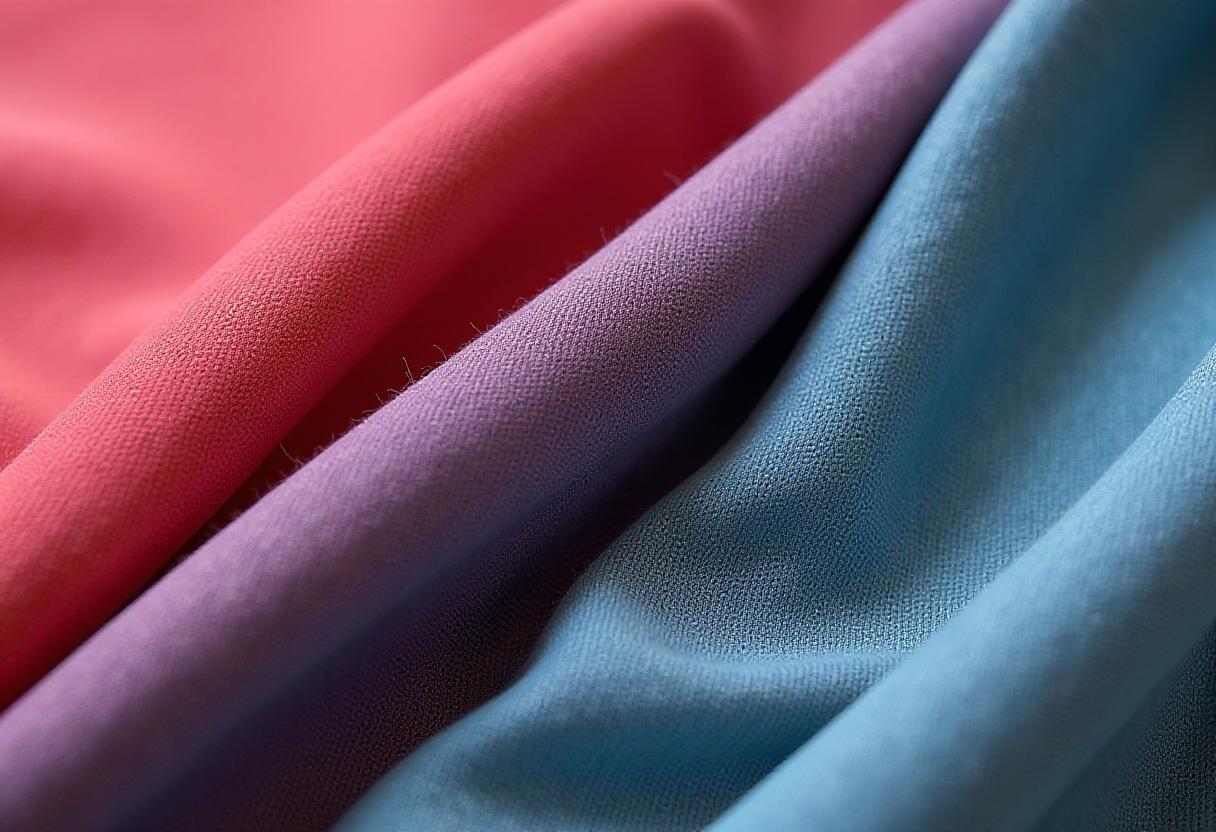
Polyester and rayon blends can keep costs accessible. They can offer durability or crease resistance, while comfort depends on the blend and weave. Prices generally fall between THB 800–2,500 per metre (about USD 25–75).
Velvet
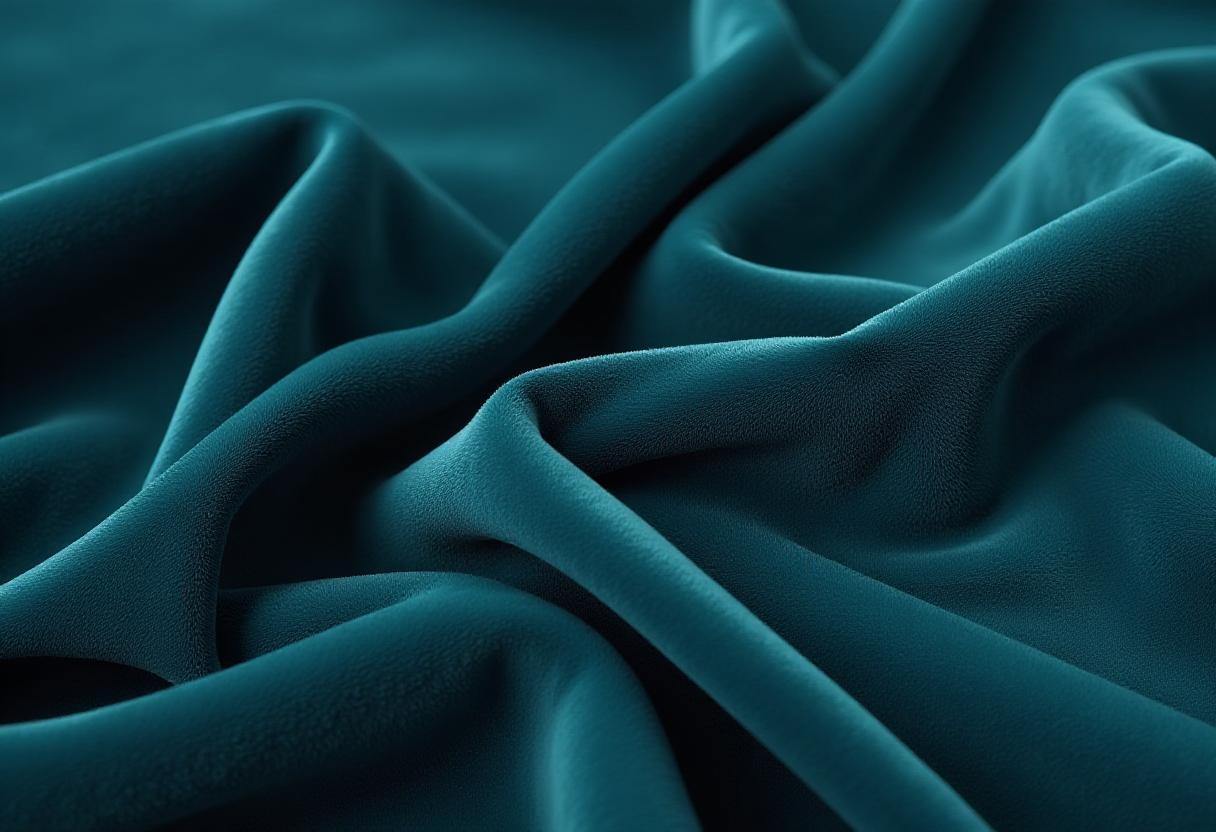
Velvet adds a rich texture to eveningwear and dinner jackets. It often costs more than basic cotton or synthetic cloth, with prices generally ranging from THB 2,500–8,000 per metre (about USD 75–240).
Canvas fabric
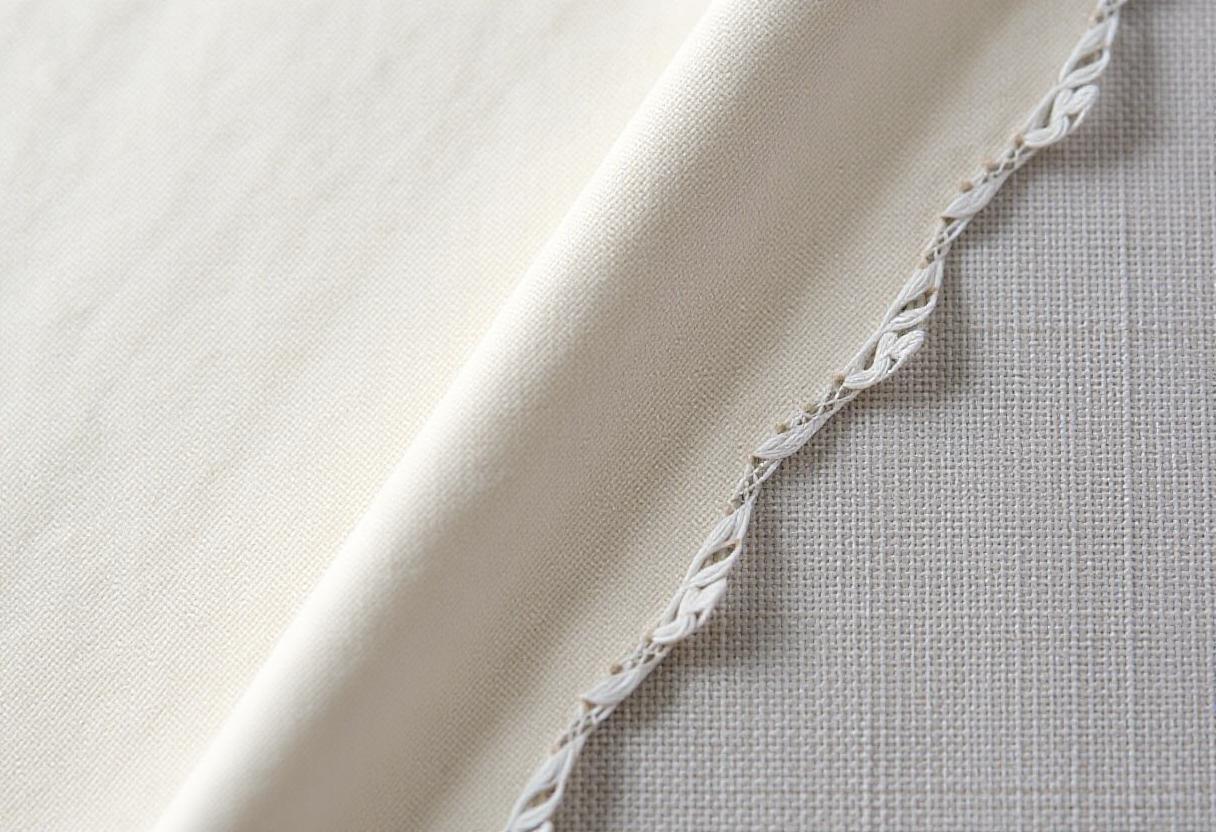
Canvas is sturdy outer cloth, often made from cotton or linen, for casual jackets, trousers and workwear-inspired clothing. It differs from the internal canvas used in suit construction. Outer canvas cloth generally costs THB 800–2,000 per metre (about USD 25–60).
Tailoring method and pattern work
A made-to-measure suit normally starts with a base pattern adjusted to your measurements and preferences. Bespoke traditionally uses an individual pattern refined through fittings, while ready-to-wear is produced in standard sizes and can be altered afterwards. Since shops use these terms differently, ask who drafts or adjusts the pattern and what the process includes.
A measurement appointment followed by delivery differs from a basted fitting, further fitting and final adjustment. A basted fitting uses temporary assembly so the tailor can assess the shape before finishing. One fitting can work for a straightforward order; two or more give additional opportunities to address posture, asymmetry, unusual proportions and style decisions.
At Michael Tailors, measurements go to our own workroom, where our master cutter develops a paper pattern for a bespoke commission before cutting the chosen cloth. We retain measurement and pattern records for future orders. Retained records give repeat orders a starting point based on your previous fit, rather than beginning again with measurements alone. Changes in body size or preferences still require a fresh assessment.
Construction and design
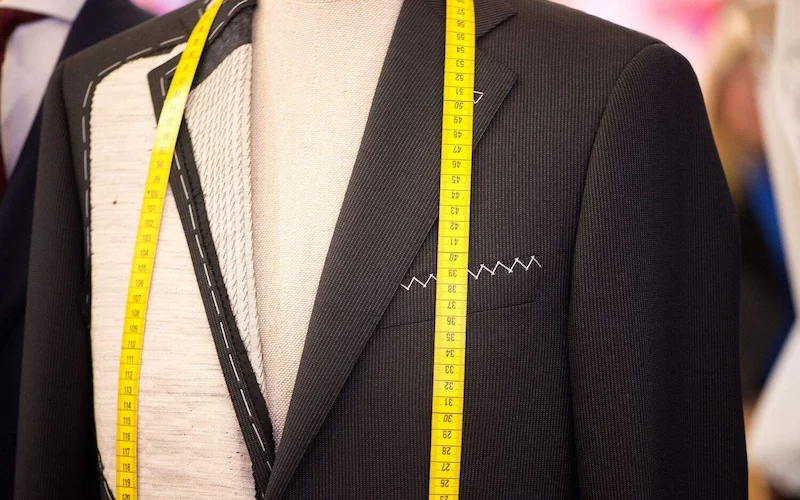
Fused construction attaches supporting interlining to the outer cloth using adhesive and generally keeps costs lower. Half-canvas uses sewn canvas through the upper front and lapels, often alongside some fusing; full-canvas extends the floating support through the jacket front. Canvas work usually adds cost.
Construction influences drape, lapel roll, flexibility, repair options and how the jacket settles with wear. It differs from both the visible lining and the outer canvas fabric listed above. Functional sleeve buttonholes, three-piece designs, extra trousers, specialist buttons and complex details can also add cost.
For frequent wear, half-canvas offers a useful balance of upper-front shaping and cost. Full canvas is worth considering when you value more extensive support and the workmanship justifies the premium. A well-executed fused jacket remains a practical option for occasional use; pattern accuracy, stitching and pressing matter at every level.
Tailor, location and service
Experience, reputation, rent, staffing and client service influence price. Cutting translates measurements and posture into the garment’s shape, assembly builds its structure, and fitting adjustments refine how it hangs. Michael Tailors carries out the making in its own workroom, connecting those stages within one team. Hotel fittings and delivery add convenience for visitors who want to avoid repeated journeys to the shop.
What Additional Costs Should You Consider?
Fitting alterations before collection are often included, but major design changes, body-size changes and adjustments requested after approval can follow different policies. International customers should establish who arranges and pays for corrections or shipping if a fit problem appears after returning home.
VAT, local or international delivery, express production, hotel fittings, premium fabric surcharges and future adjustments should be addressed in the quote. Additional garments are separate unless listed, and tipping is optional. A lower offer that excludes final alterations or delivery can cost more than an inclusive one.
What Should You Check Before Comparing Bangkok Suit Prices?
Use these seven questions with each shop, keeping the garments, fabric category, lining, buttons and deadline consistent. Written specifications show what a higher quote buys.
- What garments are included? Identify the jacket, trousers, waistcoat and any package extras.
- What exactly is the fabric? Record composition, mill or supplier, weight and any restriction to selected swatches.
- How is the jacket constructed? Specify fused, half-canvas or full-canvas construction, plus the lining and finishing details.
- How is the suit being made? Ask who drafts the pattern, what bespoke or made-to-measure means here, and whether the pattern is retained.
- How many fittings are included? Establish dates and opportunities to correct the shoulder fit or jacket balance before collection.
- What costs extra? Include alterations, tax, delivery, express work and upgrades in the total.
- What happens after collection? Agree on further adjustments, measurement records and support after returning home.
Our guide to suit jacket materials and construction explains the components behind those specifications. Use it to identify which construction upgrades benefit your order.
How Can You Get Better Value From Your Suit?
Bring a shirt and shoes similar to those you will wear with the suit. Explain whether it is for a humid commute, daily office use, formal dinners or occasional weddings, then assess the fitting against that routine.
Fit checks before collection
Shoulder balance, collar position, chest room, jacket length, sleeve length and trouser proportions deserve attention before decorative details. Stand naturally, then sit, walk and reach to assess comfort.
| Area | Check during the fitting | Why it matters |
|---|---|---|
| Shoulder | Clean line without pronounced dents, overhang or tightness | Substantial shoulder changes can involve considerable work. |
| Collar | Rests against the shirt collar without persistent gaps or bunching | Collar position and jacket balance affect the whole jacket. |
| Chest and waist | Closes without strong X-shaped pulling; lapels sit comfortably | Excessive suppression can restrict movement. |
| Sleeve | Agreed length and clean hang with relaxed arms | Twisting can require more than a length adjustment. |
| Jacket and trousers | Balanced jacket length, comfortable waist and seat, agreed hem break | Sitting and walking test proportion and usable room together. |
Our guide to how a suit should fit develops these checks in more detail. Describe where a problem occurs and demonstrate the movement rather than trying to diagnose the tailoring yourself.
For silhouette selection, compare tailored fit and slim fit. Either should allow comfortable breathing, sitting and reaching; choosing a closer cut does not justify restricted movement.
Cloth for Bangkok’s climate
Tropical or open-weave wool is a useful starting point for business wear and crease recovery. Linen feels airy but wrinkles more visibly; cotton suits relaxed tailoring, and blends offer other trade-offs. Weight alone does not determine coolness because weave, lining and internal structure also affect comfort.
Our guide to suit fabrics explores those materials further. For commuting and travel, balance breathability with durability and recovery after sitting rather than automatically choosing the lightest or finest cloth.
Start with navy or charcoal, moderate lapels and balanced jacket length for versatility. An extra pair of trousers can help with frequent wear because trousers often receive more wear and cleaning than the jacket. Custom linings, monograms and unusual buttons can follow once fit and cloth work for you.
How Do You Choose the Right Bangkok Tailor?
Look at recent feedback about finished fit and aftercare, examples of completed work and clear explanations of the quote. Be cautious about unidentified cloth, unexplained construction, immediate-order pressure or a promise of perfect fit without a fitting. Low prices need an understandable specification; upgrades should be agreed before work starts.
Our tips for choosing a custom tailor in Bangkok explore the wider selection process. Reviews describing how a suit wears after collection tell you more about value than speed alone.
Plan around fittings and your flight
Michael Tailors offers 24-hour express tailoring and hotel fittings, making a short Bangkok stay a workable opportunity to order a suit. Book the first consultation early and leave time to try on the garment before departure. Express production uses a different schedule from an involved bespoke commission: imported cloth, extensive pattern work, multiple garments and busy periods can extend an order beyond a short visit.
One of our customers described receiving a jacket, shirt and trousers for a hotel fitting within 24 hours. The trousers needed a length adjustment, which was completed and delivered within another day. That experience shows why a suit ready to try on is different from an order ready to pack. A saving becomes less useful if a fit problem must be addressed at home, so visit early and leave time between the collection fitting and your flight.
Is Tailoring a Suit in Bangkok Worth the Cost?
Custom tailoring can provide comfortable fit and control over cloth, proportions and design, especially when standard jacket and trouser sizes do not work together. It can also address posture and shoulder shape through suitable pattern work. That makes custom tailoring particularly useful for people who repeatedly need substantial alterations to standard sizes. The result still depends on measurements, construction, pressing, fittings and clear communication, rather than the “tailored” label alone.
Wear frequency helps put the price in perspective. A THB 20,000 suit worn 100 times costs THB 200 per wear, while a THB 10,000 suit worn ten times costs THB 1,000 per wear, before cleaning or alterations. These examples are not lifespan predictions: for one event, the lower total outlay may still be the sensible choice. For regular use, comfort, durability and dependable aftercare become more valuable.
Conclusion
At Michael Tailors, we believe value comes from choosing cloth for your routine, understanding the complete quotation and allowing time to refine the fit. When comparing a Bangkok suit tailor, consider the garments, construction, fitting process and aftercare together. We recommend spending first on comfort and workmanship, then on details that make the suit more personal.
Frequently Asked Questions
Can you really get a tailored suit in Bangkok for THB 5,000?
Yes. A THB 5,000 suit, about USD 150, can be a sensible purchase for an occasional event when the selected cloth and finished fit suit you. It is less compelling if your main priority is a particular imported mill, extensive handwork or a demanding bespoke process. Treat it as a budget option for a specific purpose, rather than a discounted equivalent of every premium suit.
How much fabric is needed to make a suit?
Around 3–3.5 metres is a common starting estimate for an adult two-piece suit using cloth approximately 58–60 inches (147–152 cm) wide. Larger sizes, narrower cloth, checks or stripes that need matching, and an added waistcoat can increase the requirement. The cutter must calculate the final amount before you buy fabric separately.
Does a higher Super number mean a better suit?
Super numbers describe wool fibre fineness, not the quality of the complete suit. Super 120s or Super 150s can indicate fine fibres, but weave, durability and intended use still matter. For frequent wear, a more robust cloth can be more practical than a very fine option.
Are alterations included in a tailored suit price?
Yes, fitting corrections before collection are commonly included in a tailored-suit price. At Michael Tailors, the alteration stage addresses the fit of seams, shoulder lines, sleeve lengths, jacket closure and trouser waist, with a follow-up fitting when needed. Changes requested after approval, such as a different silhouette or adjustments following a change in body size, fall under the separate aftercare agreement. For a problem discovered at home, send photographs and contact the maker before arranging local alterations or shipping.
Is it cheaper to have a suit made in Bangkok?
Bangkok can make custom tailoring accessible on a smaller budget: promotional suits start around THB 5,000 (about USD 150), while THB 15,000–30,000 (about USD 450–900) provides a practical mid-range budget. The value is getting a garment adjusted to your proportions at that price. Whether it is cheaper than buying at home depends on the equivalent suit there, including cloth, construction, fittings and delivery; Bangkok’s location alone does not establish the saving.
Can a suit be finished in two days?
Yes, Michael Tailors offers express suit tailoring, including 24-hour service. One of our customers reported receiving suits in less than 24 hours before travelling to a wedding in Phuket. Visit early in your stay so there is time for both the fitting and any final adjustments.
More Articles
Getting a Suit Made in Bangkok on a Short Trip: Real Customer Stories
Suit vs Tuxedo: Key Differences and When to Wear Each One