

A well-fitting suit should create a clean silhouette without restricting everyday movement. Whether you are dressing for work, an interview, or a formal event, understanding how a suit should fit helps you recognize problems before buying or altering one. The jacket should sit smoothly across the shoulders and chest, while the trousers should allow comfortable walking and sitting.
Fit also depends on personal preference. Slim, classic, and relaxed cuts create different silhouettes, but none should cause persistent pulling, sagging, or discomfort. If you visit a Bangkok suit tailor, knowing the main fitting checks can help you describe what you want and understand which adjustments are realistic. This guide covers jacket and trouser fit, practical movement tests, and common alteration limits.
How Should a Suit Jacket Fit?
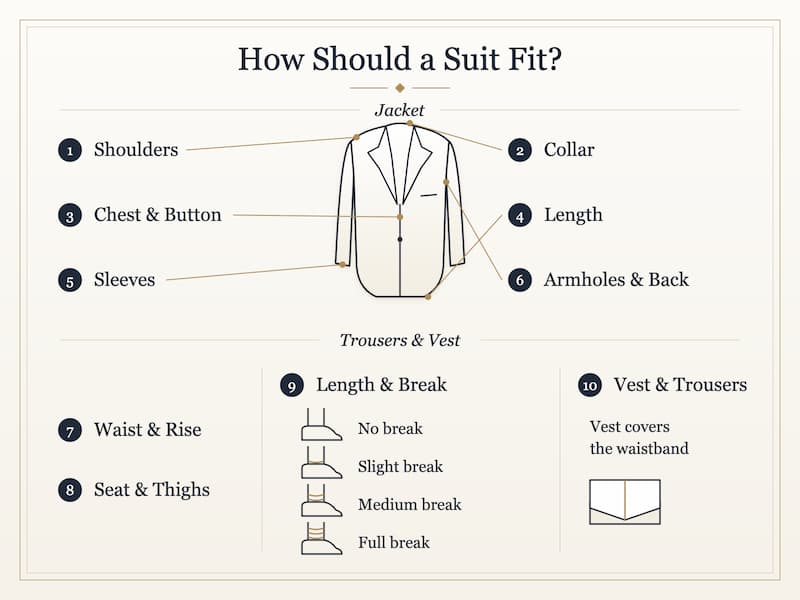
The jacket establishes the shape of the entire outfit. Check its shoulders and collar first, then assess the chest, button closure, length, sleeves, and movement across the back. Judge how these areas work together rather than focusing only on whether the jacket appears slim in the mirror.
Shoulders
The shoulder seam should sit close to the end of your natural shoulder, with the fabric lying smoothly over the upper arm. A jacket that extends too far beyond your shoulders can look oversized or develop dimples near the sleeve head. A jacket that is too narrow may feel restrictive and pull across the upper body.
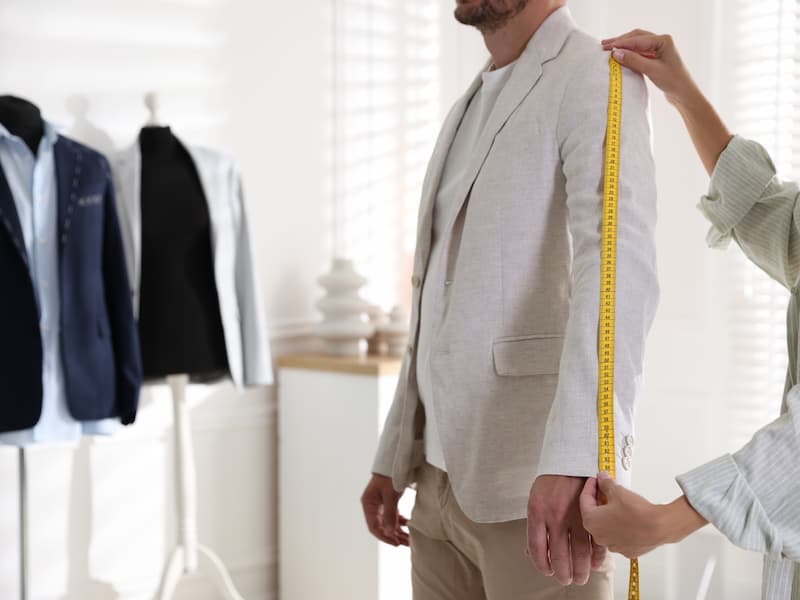
Look at both shoulders from the front and back. What matters is a balanced appearance without obvious strain or excess fabric. Major shoulder alterations can require substantial reconstruction, making shoulder fit especially important when choosing a jacket.
Collar
The jacket collar should rest close to your shirt collar. A noticeable gap behind the neck or a large fold beneath the collar can indicate that the jacket does not match your posture or body shape.
The shirt itself can contribute to the appearance, so wear an appropriately fitting dress shirt and ask the tailor to examine the complete outfit before changing the jacket.
Chest and Button Closure
Fasten the main jacket button while standing normally. The lapels should lie relatively flat and the front should close without strong tension. A prominent X-shaped crease spreading from the button often suggests that the chest or waist is too tight. Flaring pockets, strained buttons, and lapels that pull away from the body are additional warning signs.
Excess fabric hanging around the torso can indicate that the jacket is too large or needs more shaping. However, a fitted waist should not make breathing or moving uncomfortable. For a conventional single-breasted jacket, unbutton it before sitting.
Jacket Length
A traditional business jacket generally covers the seat and creates balanced proportions with the trousers. The correct length also depends on your height, torso, legs, and preferred style. A short modern jacket can be intentional, while an overly long one may make the legs appear shorter.
Check the hem from the front, side, and back. It should look balanced when you stand naturally rather than tilting noticeably or riding up.
Sleeve Length
Jacket sleeves should finish around the wrist and usually reveal a small amount of shirt cuff when your arms hang naturally. The exact amount is a style preference, and your shirt sleeves must fit correctly for the comparison to be useful.
Sleeves that cover most of your hands may be too long, while very short sleeves can expose more cuff than intended. Sleeve shortening is often possible, but functioning cuff buttons and decorative details may limit how easily the sleeve can be adjusted.
Armholes and Upper Back
Reach forward as though working at a desk, then lift your arms slightly. Twisting sleeves, strong tension behind the shoulders, or discomfort around the armholes warrant a closer look.
Do not immediately size up to solve one tight area. A larger size might create loose shoulders and an oversized body. Ask whether the issue comes from the armhole, sleeve position, upper-back allowance, or the underlying jacket pattern.
How Should Suit Trousers Fit?
Trousers should stay comfortably in place and fall cleanly over the legs. Their waist, rise, seat, thighs, and hem must work together. Evaluate them while standing and sitting, since trousers that look neat in a mirror can still feel restrictive in use.
Waist and Rise
The waistband should sit securely at its intended height without requiring an extremely tight belt. If the trousers slide down, bunch beneath the belt, or pull around the pockets, the waist may need adjustment.
The rise is the distance and shape between the waistband and crotch. It affects comfort and where the trousers sit on your body. A rise that is too short may pull when sitting; an unsuitable longer rise can create excess fabric.
Seat and Thighs
The seat should follow your shape without sagging or showing pronounced horizontal tension lines. Excess material below the seat can look untidy, while tight fabric across the back may restrict sitting and movement.
Check the thighs by sitting in a chair and taking a few steps. Slim trousers can still be comfortable if they provide adequate room. If the fabric clings, pulls around the crotch, or prevents you from sitting naturally, discuss the fit before approving the garment.
Trouser Length and Break
The break describes the fold of fabric where the trouser hem meets the shoe. It is a styling choice rather than a universal standard.
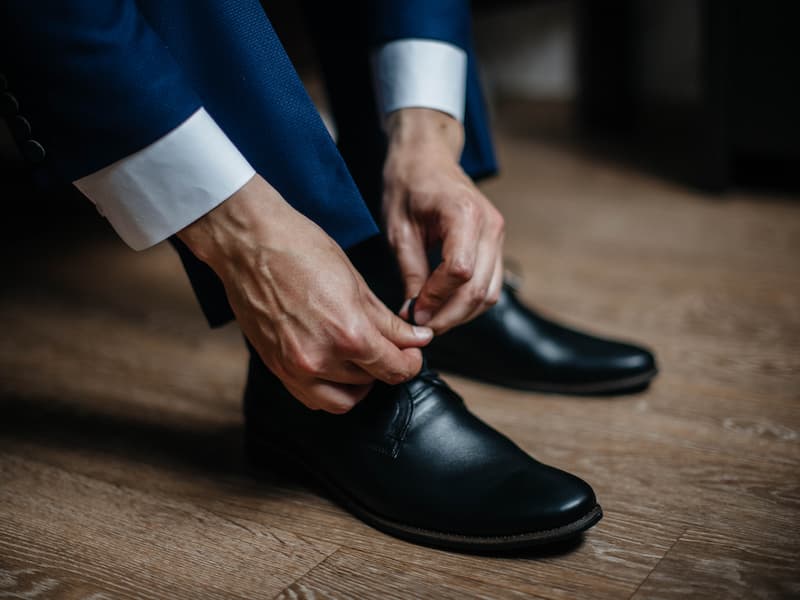
Try the trousers with the shoes you plan to wear. Both legs should fall evenly, without unintended bunching at the ankles.
Vest and Trouser Coordination
With a three-piece suit, the waistcoat should cover the trouser waistband while you stand naturally. Otherwise, a strip of shirt may show between the garments. Trouser rise and waistcoat length therefore need to be considered together. For more styling advice, see our guide to wearing a vest under a suit.
How Do You Check Suit Fit During a Fitting?
Wear a dress shirt and shoes similar to those you intend to wear with the finished suit. Start by standing naturally rather than pulling your shoulders back or holding in your stomach. Look at the shoulders, collar, closure, sleeves, and trousers from several angles.
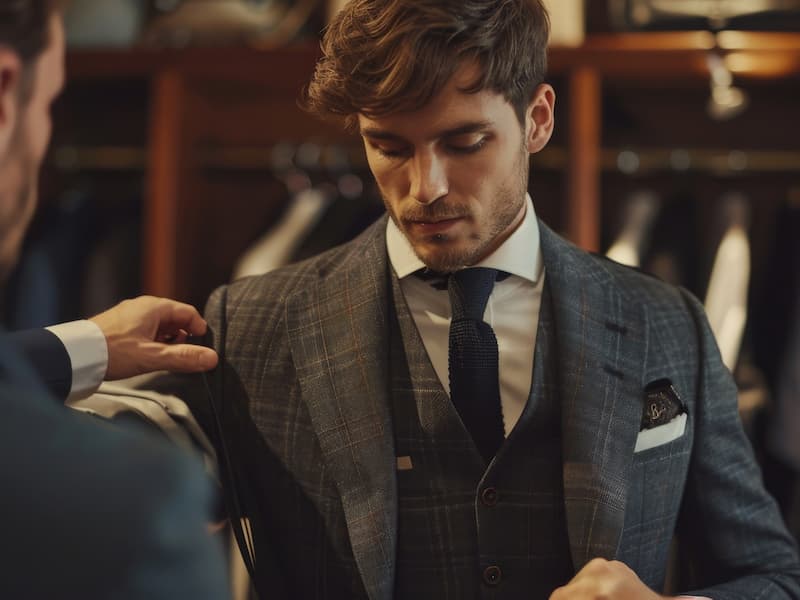
Then run through these practical tests:
- Button the jacket. Look for tension at the chest and waist, flaring pockets, or a collar gap.
- Reach forward. Check whether the sleeves twist or the upper back pulls uncomfortably.
- Sit down. Unbutton the jacket first, then assess pressure at the trouser waist, seat, and thighs.
- Walk a short distance. Notice whether the trousers move freely and whether the hems fall evenly.
- Stand and reassess. Make sure the garments return to a neat position without constant pulling or readjustment.
Describe specific concerns instead of saying only that you want the suit slimmer. For example, explain that the shoulders feel comfortable but the button pulls, or that the trousers fit while standing but feel tight when seated.
Which Suit Cut Should You Choose?
Slim fit follows the body more closely, usually with a shaped waist and narrower trouser legs. It can look contemporary, but it should not produce persistent strain. Classic fit provides more ease through the jacket and trousers while retaining a structured appearance. Relaxed fit allows additional room and a softer silhouette without needing to look oversized.
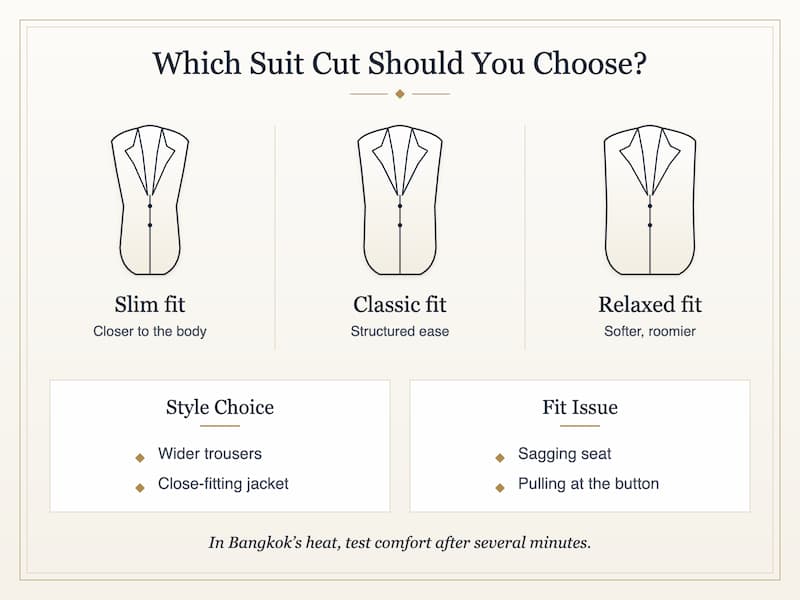
The difference between a cut preference and a fit problem is important. Choosing wider trousers is a style decision; excessive sagging around the seat is a fitting issue. Similarly, a close-fitting jacket is intentional, but strong pulling around the fastening button is not.
In Bangkok’s warm climate, consider how the suit feels after several minutes rather than only during a brief mirror check. Breathable fabrics, suitable lining choices, and construction can influence comfort, but even lightweight clothing needs the correct fit. Read our guide to choosing suit fabrics for more information.
Which Suit Fit Problems Can a Tailor Fix?
Some alterations are relatively straightforward, while others require extensive reconstruction. Suit construction and the amount of spare fabric determine what is possible, so these examples are guidelines rather than guarantees.
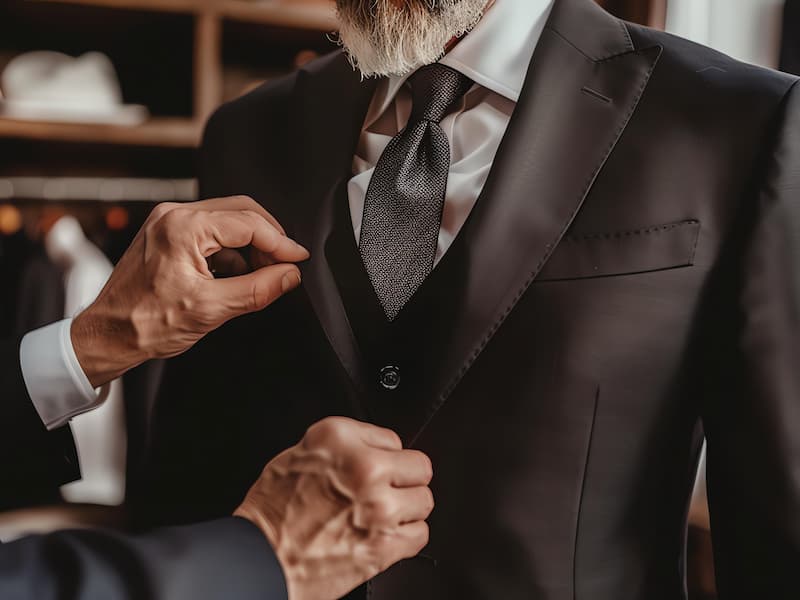
A tailor should inspect the actual garment before promising a correction. When ordering a new suit, discussing these concerns during fittings can help avoid major changes after completion. Our guide to buying a suit in Bangkok covers other checks to make before ordering.
Quick Suit-Fit Checklist
Before accepting a finished suit, confirm the following:
- Shoulder seams sit near your natural shoulders without obvious strain.
- The jacket collar lies close to your shirt collar.
- The jacket closes smoothly without prominent X-shaped pulling.
- Sleeve length works with your shirt cuffs.
- Jacket length looks balanced with the trousers.
- The trouser waist, seat, and thighs remain comfortable when sitting.
- Trouser hems fall neatly over your chosen shoes.
- Walking and reaching feel comfortable during ordinary movement.
A neat silhouette should not come at the expense of normal comfort.
Conclusion
Understanding how a suit should fit means balancing appearance, proportions, and everyday comfort. A well-fitting jacket should sit smoothly across the shoulders, close without strain, and allow natural movement, while trousers should feel comfortable and fall neatly over the shoes. Choosing the right cut, checking movement, and discussing alterations early can help achieve a better fit. At Michael Tailors, we assess the jacket and trousers together to create a balanced look that suits your preferences. If you are looking for a Bangkok suit tailor, our team can help you find the right fit for your needs.
FAQs
Should a suit feel tight when buttoned?
No. A jacket should close securely without prominent tension across the chest or waist. Some waist shaping is normal, but the button should not look as though it is holding the jacket together under strain.
How should suit jacket shoulders fit?
The seam should sit close to your natural shoulder edge. Look for smooth fabric without substantial overhang, dimpling, or pulling. Shoulder shape is difficult to correct with simple alterations.
How much shirt cuff should show under a suit jacket?
A small amount of cuff is conventional, but there is no single required measurement. Check the jacket alongside a properly fitting shirt and choose proportions that look balanced.
Should suit trousers touch your shoes?
They often do, but the amount varies. A slight or medium break is common for business suits, while tapered modern trousers may barely touch the shoes. Try the intended footwear during fitting.
Can a tailor fix a suit that is too tight?
Sometimes. Minor changes may be possible when the seams have enough fabric allowance. Major tightness at the shoulders, chest, or armholes can be difficult or impractical to correct.

More Articles
Getting a Suit Made in Bangkok on a Short Trip: Real Customer Stories
Suit vs Tuxedo: Key Differences and When to Wear Each One