
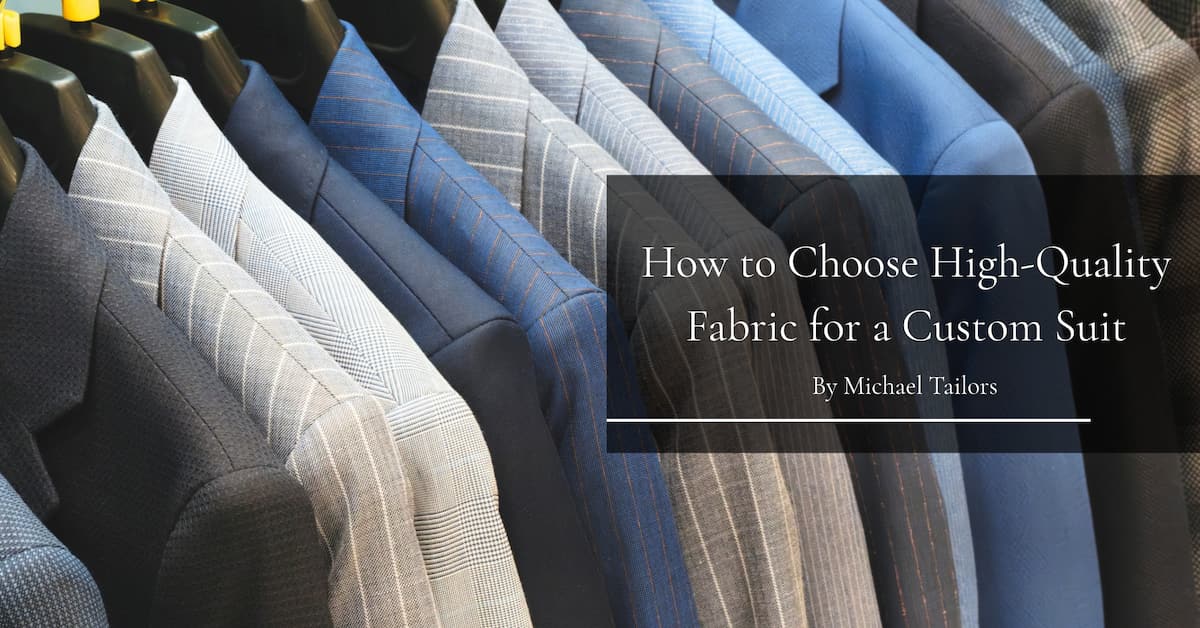
The fabric changes how a suit feels, drapes, and performs over time. When choosing fabric for a custom suit, consider the fabric composition, weight, weave, climate and occassion. A well-known mill name or a high Super number alone does not guarantee that a particular cloth is suitable.
Choosing the right fabric is essential to creating a suit that looks sharp and feels comfortable in Bangkok’s warm, humid climate. A knowledgeable custom tailor in Bangkok can help compare fabric compositions, weights and weaves to find materials suited to the intended use. The right choice should balance breathability, durability and appearance while complementing the suit’s construction and fit.
What Should You Look for in Suit Fabric?
Several fabric characteristics work together to determine how a suit looks, feels and performs. Fibre composition provides a starting point, influencing properties such as softness, breathability and warmth. However, the fabric’s weight, weave and drape also affect its comfort, structure and suitability for different conditions. Understanding how these factors interact makes it easier to compare materials and choose a suitable cloth for a custom suit.
1. Fiber Composition
Wool is the most widely used suiting fibre, but plant fibres like linen and cotton, animal fibres like cashmere, mohair and silk, and synthetic blends each offer different textures, finishes and performance. Following section explores the common sub-types of each fabric composition.
Wool and its Common Varieties
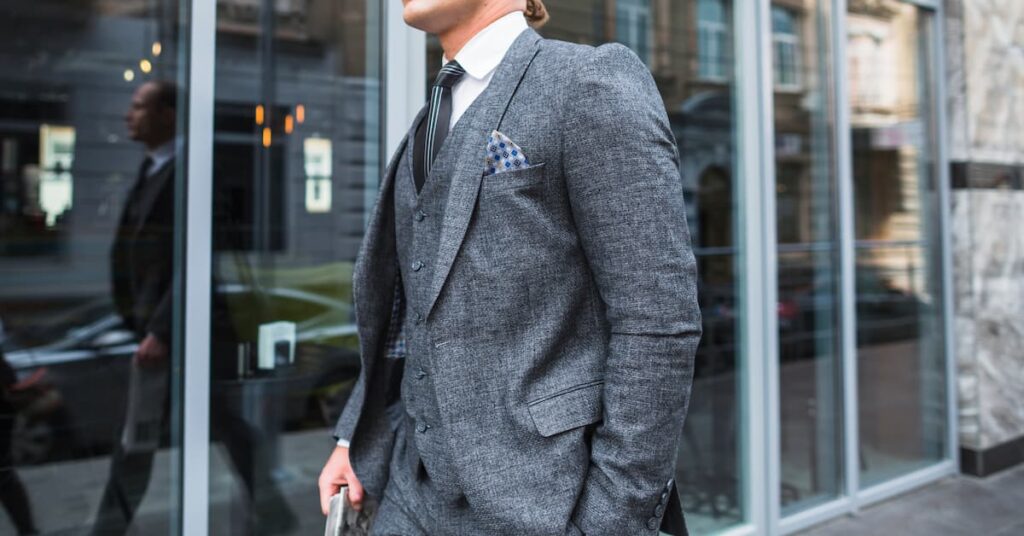
- Merino wool: Sourced from Merino sheep, this wool is known for its fine fibres and soft feel. It is commonly used in lightweight, smooth suiting fabrics.
- Worsted wool: Made by combing longer wool fibres before spinning them into smooth, relatively compact yarns. They are widely used for business suits because of their clean appearance and structured finish.
- Tropical and high-twist wool: Tropical wool generally refers to lightweight fabrics designed for warmer conditions, often featuring open weaves. High-twist wool uses tightly twisted yarns that can improve crease recovery and help the fabric retain its shape. These characteristics make both popular options for warm-weather suiting.
- Woollen fabrics: Produced using shorter fibres spun into softer, bulkier yarns. Flannel and many tweeds are examples of woollen fabrics, often chosen for their textured appearance and warmer feel.
Plant Fibres

- Linen: Made from flax fibres, linen is valued for its lightweight feel, airflow and naturally textured appearance. It is particularly popular for relaxed warm-weather suits, although it creases readily.
- Cotton: A versatile plant fibre used in casual and less formal suiting. Depending on its weave and weight, cotton can produce anything from soft, lightweight cloth to firm, structured fabric.
Animal Fibres
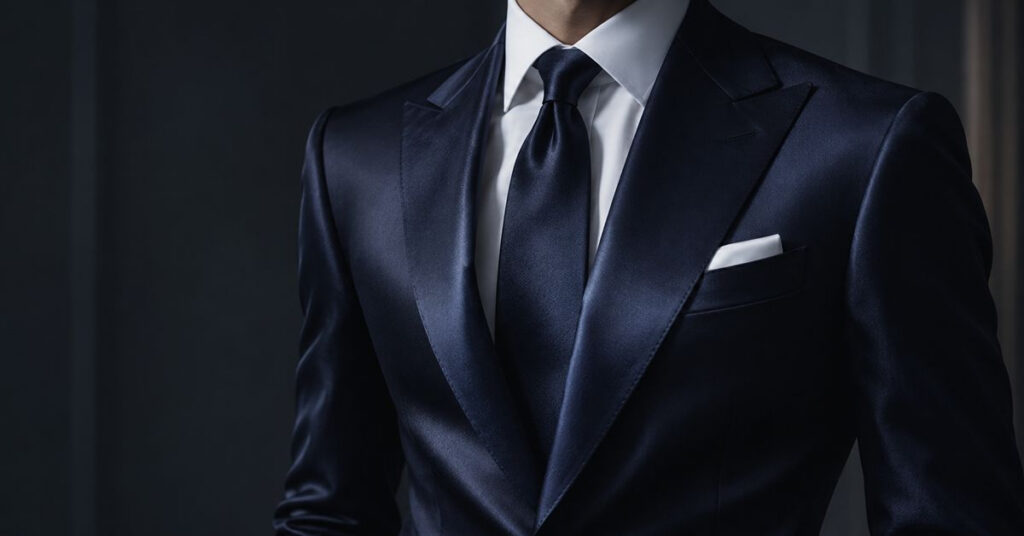
- Cashmere: A fine animal fibre obtained from cashmere goats. It is valued for its softness and warmth and is often blended with wool to create a softer, more luxurious cloth.
- Mohair: Obtained from Angora goats, mohair is known for its natural lustre, strength and resistance to crushing. When blended with wool, it can give the suit a crisp appearance and subtle sheen.
- Silk: A natural protein fibre produced by silkworms. It adds smoothness and lustre to fabric and is often blended with wool for a refined finish.
Blends and Synthetic Fibres
Many suit cloths combine two or more fibres. Mills blend to improve performance, adjust the feel or manage cost. The result depends on the percentages and the weave.
Common blends
- Wool and polyester: Adds wrinkle resistance and strength. As the polyester percentage rises, breathability and drape tend to decline, and the cloth can feel warmer in humid conditions.
- Wool and elastane: A small amount adds stretch and ease of movement without changing the appearance much.
- Wool and cashmere: Adds softness and warmth; wool provides the structure pure cashmere lacks. Best for cooler months.
- Wool with silk or mohair: Adds sheen and a crisper hand. Mohair blends suit lightweight summer and evening suiting.
- Linen with cotton or wool: Keeps much of linen’s airflow while creasing less than pure linen.
A blend is not automatically better or worse than a single-fibre cloth. A well-chosen one can outperform pure wool for travel or daily wear, while a poorly matched one trades comfort for convenience.
The best choice depends on the desired appearance, comfort, climate and frequency of wear. Fibre composition is only the starting point; fabric weight, weave and finishing also influence how the finished cloth performs.
2. Fabric Weight and Weave
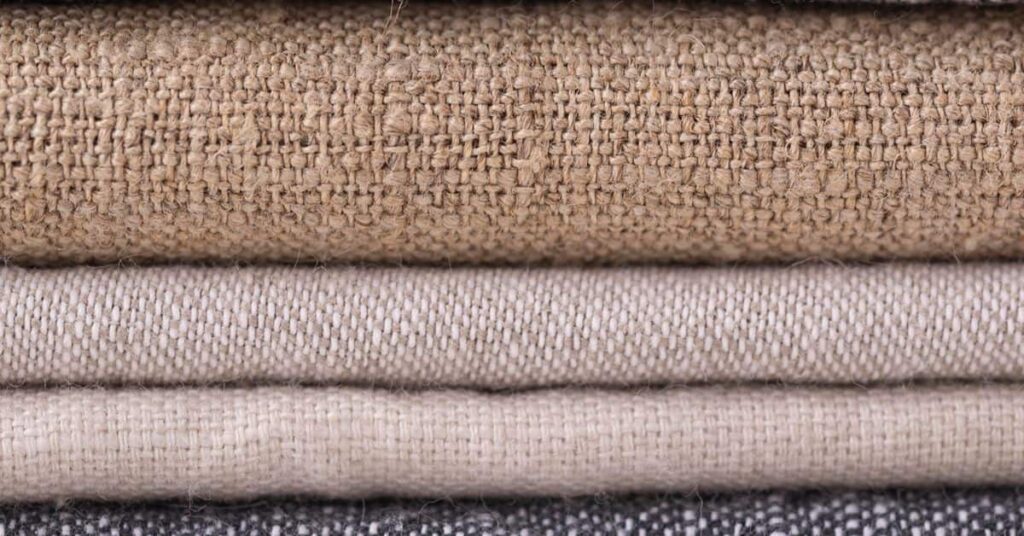
Fabric weight and weave influence how a suit feels, performs and looks.
Fabric Weight
Fabric weight affects the cloth’s overall substance, warmth and suitability for different climates.
- Lightweight fabrics: Generally more comfortable in warm conditions and can feel less restrictive, making them suitable for summer and tropical climates.
- Medium-weight fabrics: Offer a balance between comfort, substance and versatility, making them suitable for a wider range of occasions and conditions.
- Heavyweight fabrics: Provide greater warmth and a more substantial feel, making them better suited to cooler conditions.
Weave
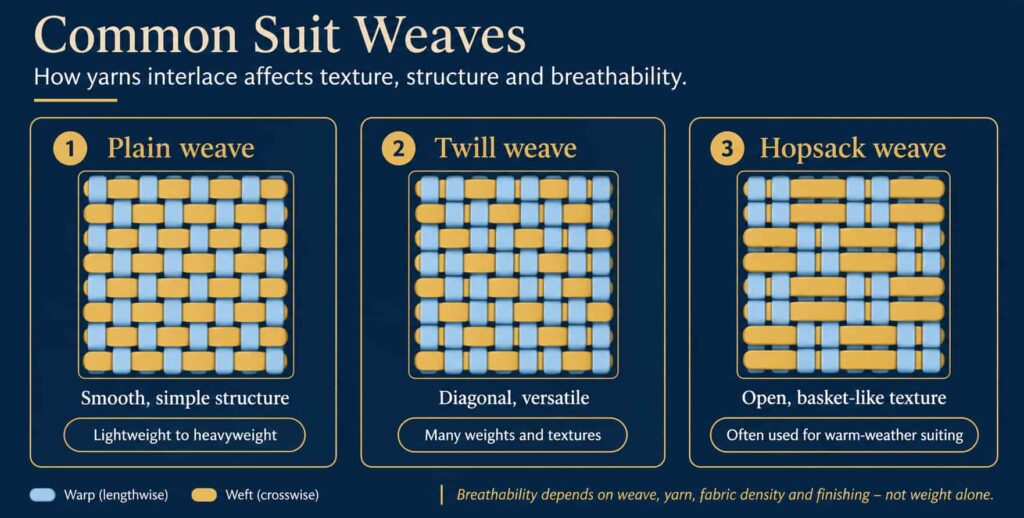
The weave refers to how the yarns are interlaced to create the fabric. Different weaving patterns produce distinct textures and influence the fabric’s appearance, structure and breathability.
Common examples include:
- Plain weave: Features a simple over-and-under yarn structure, producing a relatively smooth and balanced surface. It can be found in lightweight and heavy-weight suiting fabrics.
- Twill weave: Recognisable by its diagonal pattern, twill is widely used in suiting. It offers a versatile finish and can be produced in different weights and textures.
- Hopsack weave: Uses a basket-like structure with a more open appearance. It creates a textured finish and can allow greater airflow, making it a popular option for warmer conditions.
Before making a decision, compare actual fabric swatches rather than relying on descriptions or appearance alone. Examine each sample using the following checks:
- Texture and weight: Handle the fabric to assess its feel, thickness and overall weight.
- Openness: Hold the sample against the light to get an idea of how loosely or tightly it is woven.
- Drape and flexibility: Observe how the fabric folds, moves and falls when held.
- Fibre composition and weave: Ask the tailor about the exact fibre composition, weave and fabric construction.
- Suitability for tailoring: Check whether the material is suitable for the intended jacket construction and desired fit.
These details provide a clearer basis for comparing options and choosing a fabric that meets both practical needs and personal preferences.
3. Drape
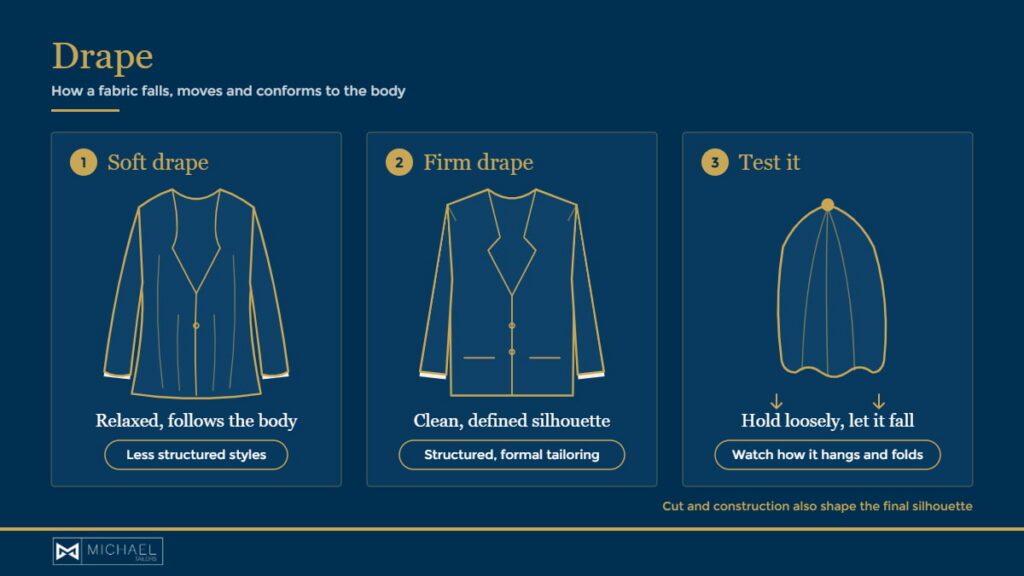
Drape describes how a fabric falls, moves and conforms to the body when made into a garment. It influences the suit’s overall silhouette, affecting whether the jacket hangs close to the body, follows its contours or maintains a more defined shape.
Soft drape: Softer, more fluid fabrics tend to follow the body’s contours and create a relaxed silhouette. They can be suitable for softer, less structured suit styles. A fluid silk-blend suit, for example, can create a smooth, flowing appearance.
Firm drape: Firmer fabrics tend to hold their shape more readily, creating a cleaner and more defined silhouette. They are often suitable for structured jackets and more formal tailoring. A structured wool suit, particularly one made from a firmer worsted fabric, can create a sharper, more defined silhouette.
To assess drape, hold a fabric swatch loosely and allow it to fall naturally. Observe how it hangs and folds rather than judging it solely by how soft it feels. Consider which effect better suits the intended style of the suit, and ask the tailor how the fabric’s drape will work with the planned cut and construction. This helps ensure the material looks and feels right when made into a finished garment, rather than just as a small swatch.
4. Wear frequency
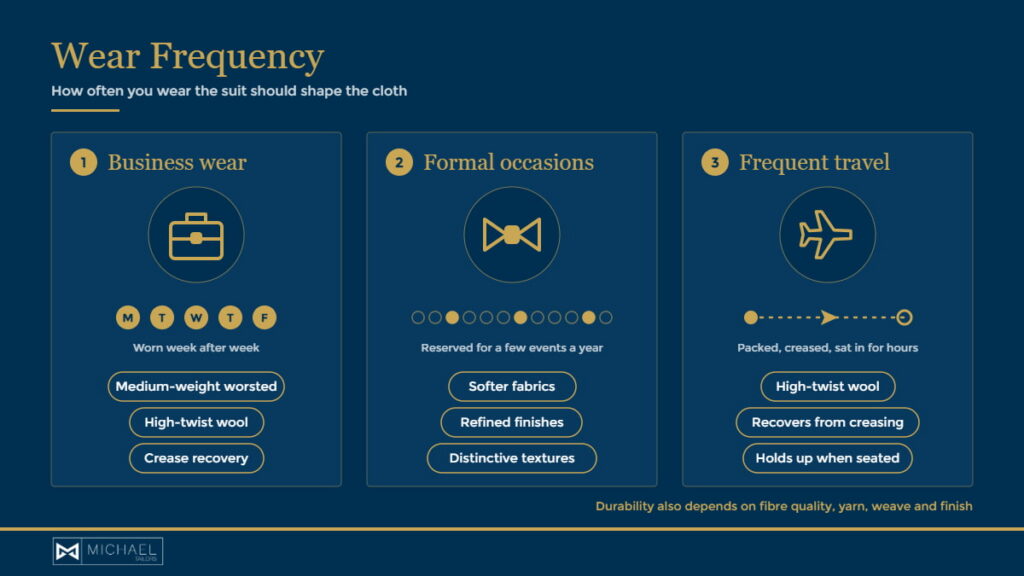
How often a suit will be worn should influence the choice of fabric. A suit intended for everyday business use has different requirements from one reserved for occasional formal events or frequent travel.
Consider the following:
- Frequent business wear: Prioritise resilient fabrics with good crease recovery, versatile colours and a weave suitable for repeated use. Medium-weight worsted wool and high-twist wool are examples worth considering.
- Occasional formal wear: Appearance can take priority over everyday practicality. Softer fabrics, refined finishes and distinctive textures may be suitable, depending on the occasion.
- Frequent travel: Look for fabrics that recover well from creasing and retain their appearance after extended periods of sitting. High-twist wool is one option worth exploring.
Fabric durability also depends on fibre quality, yarn construction, weave and finishing, so weight alone does not determine suitability.
What Other Details Should You Consider?
Beyond the fabric itself, a few additional details can influence the comfort, appearance and practicality of a custom suit. These details can complement the fabric’s natural characteristics or create practical drawbacks when poorly matched.
- Lining and construction: Lightweight, open-weave fabrics can work well with partially lined jackets, allowing more airflow and preserving a softer feel. However, very lightweight or fluid fabrics may require careful construction to maintain the desired shape. Heavier or firmer fabrics can support more structured tailoring, although the lining and internal layers should not make the jacket unnecessarily warm or bulky.
- Colour and pattern: The fabric’s colour and pattern should suit its intended use and overall appearance. Navy and charcoal worsted wool offer versatile options for business suits, while lighter linen and cotton fabrics can complement relaxed summer tailoring. Patterns such as pinstripes and windowpane checks can add visual interest, but prominent patterns may be less versatile for everyday business wear. The scale and contrast of a pattern should also work with the fabric’s texture and the suit’s design.
Ultimately, the best combination balances the fabric’s properties with the desired fit, appearance and intended use. A high-quality cloth should complement the suit’s construction rather than work against it.
What are Super Numbers?
When comparing wool fabrics, buyers may encounter labels such as Super 100s, Super 120s and Super 150s. These grades indicate the fineness of the wool fibres, based on their mean diameter in microns. The Super S classification applies to finished woven fabrics made from pure virgin wool. However, a higher Super number does not automatically mean better overall fabric quality or durability, as factors such as yarn construction, weave and finishing also influence the performance of the finished cloth.
Quick Comparison
| Grade | Maximum Mean Fibre Diameter | General Characteristic |
|---|---|---|
| Super 100s | 18.5 microns | Practical, versatile wool |
| Super 120s | 17.5 microns | Finer, softer feel |
| Super 150s | 16 microns | Very fine, softer feel |
A higher number generally indicates finer fibers, which can produce a softer and smoother fabric. However, this does not automatically make the material more suitable for everyday wear.
For example, a Super 100s navy business suit can be a sensible choice for someone who wears suits frequently and prefers a more traditional, substantial cloth. A Super 120s charcoal suit offers a step towards finer wool without necessarily sacrificing the versatility of a conventional suit fabric. Meanwhile, a Super 150s suit may appeal to someone who prioritises a softer handle and more fluid drape, particularly for a lighter, more refined design.Weave, weight, yarn construction, and finishing also influence how the cloth performs.
For a broader overview of the purchasing process, check out our blog on what to consider when buying a suit in Bangkok.
What should you ask the tailor before choosing fabric?
A fabric swatch may look appealing, but understanding its practical characteristics is equally important. Before making a decision, discuss the following with the tailor:
- What is the fiber composition, weight, and weave? These details help establish how the fabric will feel and perform.
- Is the selected cloth available? Confirm that the swatch represents the actual fabric that will be used for the suit.
- Is it suitable for Bangkok’s climate? Discuss comfort in warm, humid conditions and heavily air-conditioned environments.
- What lining and construction are included? These details influence the jacket’s structure, weight, and overall comfort.
- How should the fabric be maintained? Different materials may require different cleaning, storage, and pressing methods.
Proper maintenance also contributes to the lifespan of a tailored garment. For practical advice, check out our blog on cleaning, storing, and caring for tailored clothing.
At Michael Tailors, fabric selection is part of creating a suit that reflects individual preferences while remaining practical for its intended use. To discuss available materials and tailoring options, contact our Bangkok team for guidance.
Conclusion
Choosing the right fabric involves more than selecting an attractive color or an expensive material. Composition, weight, weave, comfort, and durability all contribute to how a finished suit looks and performs. At Michael Tailors, we help clients compare these characteristics and select materials suited to their preferences, occasions, and budgets. As an experienced custom tailor in Bangkok, we aim to create tailored garments that balance appearance, comfort, and practicality.
Frequently Asked Questions
What is the best fabric for a custom suit?
Wool is a versatile choice for custom suits because of its drape, breathability, and wrinkle recovery. Linen and cotton are also suitable alternatives for warmer weather and more relaxed occasions.
Is lightweight fabric always better for hot weather?
Not necessarily. Fabric weight, weave, fiber composition, lining, and jacket construction all influence comfort. An open-weave, high-twist wool can remain breathable in hot weather even when it is not the lightest cloth available.
How can you tell if suit fabric is good quality?
Examine its composition, texture, drape, weave, and weight. Look for a consistent finish and ask about the mill or supplier. Handling the swatch can also help determine whether its characteristics suit the intended use.
How should a custom suit be maintained?
Follow the fabric’s care instructions. Generally, airing the suit after wearing it and using suitable hangers can help maintain its condition. Avoid unnecessary dry cleaning, and seek specialist care for delicate fabrics.
In the realm of sartorial elegance, the suit stands as an enduring symbol of style, sophistication, and personal expression. However, what often goes unnoticed is the fabric that serves as the cornerstone of these bespoke creations. This blog aims to shed light on the critical role that high-quality fabrics play in the making of custom suits by a tailor in Bangkok, with a special focus on the offerings from Michael Tailors.
The Fabric: The Soul of a Suit
Fabric is not merely a material; it is the soul that breathes life into a suit. The choice of fabric determines not just the look but also the feel and longevity of the suit. High-quality fabric is characterized by its thread count, weave density, and natural fibers, among other factors.
Types of High-Quality Fabrics
High-quality fabrics often include natural fibers like wool, cashmere, and silk. Each of these materials has unique properties:
- Wool: Breathable and versatile, ideal for both summer and winter.
- Cashmere: Known for its softness and luxurious feel.
- Silk: Offers a natural sheen and smooth texture.
Why High-Quality Fabric Matters
Durability
High-quality fabrics are engineered to withstand the rigors of daily wear and tear. They resist pilling, maintain their shape, and their colors stay vibrant over time.
Comfort
The quality of the fabric directly impacts the comfort level of the suit. High-quality fabrics are breathable, soft to the touch, and adapt well to varying weather conditions.
Aesthetic Appeal
There’s an unmistakable sheen and depth of color that only high-quality fabrics can offer. They drape beautifully, conforming to the body’s contours and enhancing the suit’s overall look.
Seasonal Considerations
Different fabrics serve different seasons. For instance, a high-quality wool suit can be comfortably worn in both summer and winter due to its breathable nature. On the other hand, cashmere and flannel suits are more suited for colder climates.
Technical Aspects
When assessing fabric quality, look for a high thread count and a tight weave. These are indicators of a fabric’s durability and feel.
Comparison with Low-Quality Fabrics
High-quality fabrics offer a stark contrast to their low-quality counterparts in terms of durability, comfort, and aesthetic appeal. While low-quality fabrics may lose their shape or color over time, high-quality fabrics are built to last, making them a wise investment.
High-Quality Fabrics in Men’s Suits
Drawing from the men’s collection at Michael Tailors, it’s evident that the brand places a premium on fabric quality. Whether it’s the classic wool suits or the modern blends, each fabric type is chosen to offer maximum comfort, durability, and style.
Men’s Blue Suits With Vest
This particular suit exemplifies the use of high-quality wool, offering a rich texture and a luxurious feel. The fabric’s breathability makes it ideal for both summer and winter wear.
High-Quality Fabrics in Women’s Suits
The women’s collection at Michael Tailors is equally committed to fabric quality. From wool to silk blends, the fabrics are chosen to offer a flattering drape and lasting comfort.
Women’s Black Faux Wrap Dress
This dress showcases the brand’s commitment to quality with its use of a high-grade fabric blend. The material offers a comfortable stretch while maintaining its shape, making it a perfect choice for professional settings.
The Bespoke Experience: More Than Just a Suit
High-quality fabric elevates the bespoke experience. It allows for more precise tailoring, better fit, and a wider range of customization options.
Environmental and Ethical Considerations
High-quality fabrics are often sourced responsibly, aligning with ethical and environmental standards. This sustainable approach ensures that your fashion choices are not just stylish but also conscientious.
Cost vs. Value
While suits made from high-quality fabrics may come with a higher price tag, they offer unparalleled value in terms of durability, comfort, and aesthetic appeal.
Cost-Benefit Analysis
Investing in a high-quality fabric suit may initially seem costly, but when you factor in the longevity and the reduced need for frequent replacements, the long-term benefits become clear.
How to Identify High-Quality Fabric
When shopping for a custom suit, look for natural fibers, a high thread count, and a tight weave. These are indicators of fabric quality that will stand the test of time.
Conclusion
The fabric is the unsung hero of any bespoke suit. Investing in high-quality fabric is not just a choice; it’s a statement of personal style, comfort, and sustainability. Michael Tailors, with its unwavering commitment to quality, offers a range of men’s and women’s suits that epitomize the importance of high-quality fabrics in custom tailoring. Experience the difference that quality makes; choose a bespoke suit from Michael Tailors.

More Articles

Getting a Suit Made in Bangkok on a Short Trip: Real Customer Stories
Suit vs Tuxedo: Key Differences and When to Wear Each One