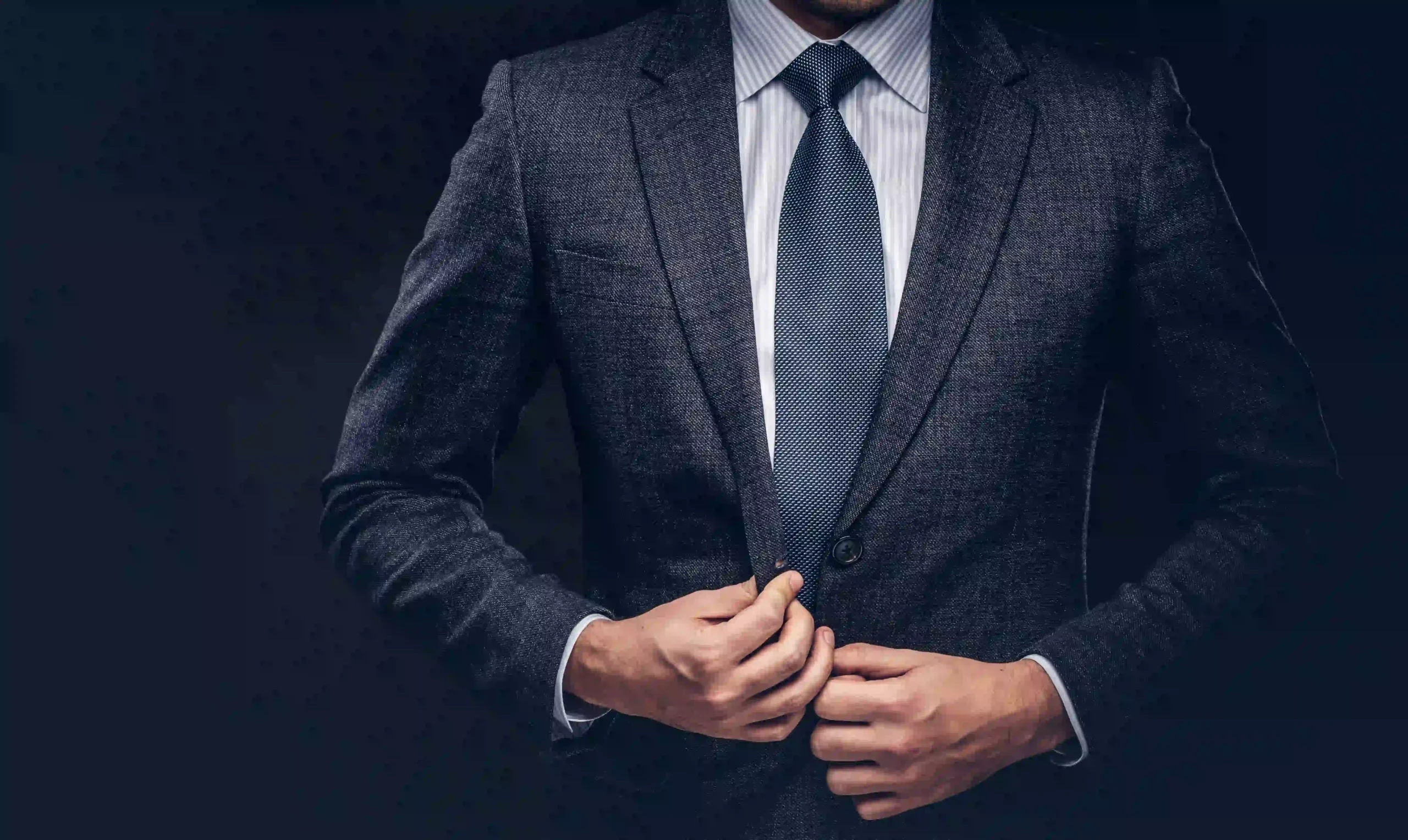
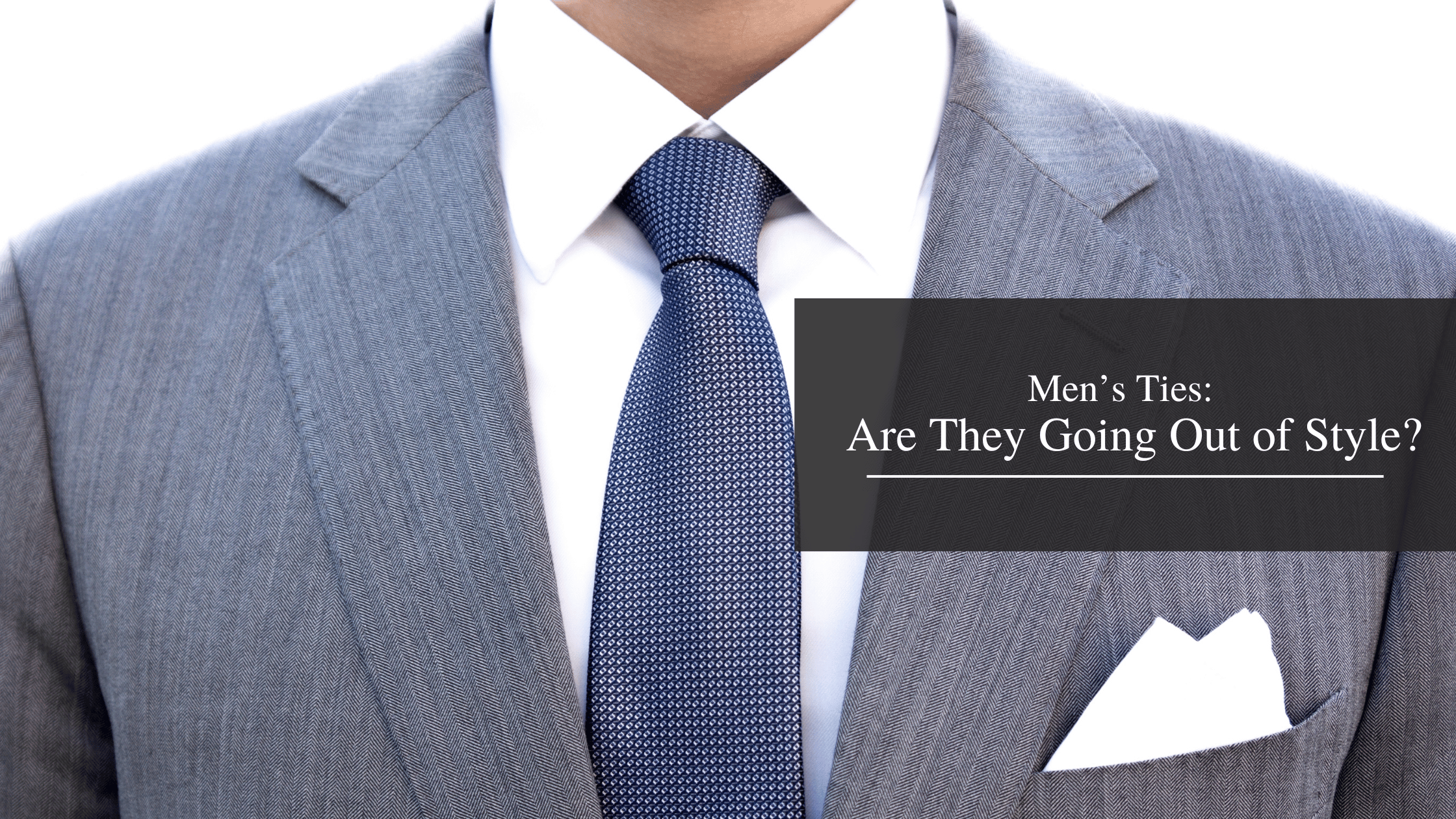
Ties are not going out of style, but the way men wear them has evolved. They may no longer be required in every workplace or social setting, yet they still play an important role at weddings, formal business events, evening occasions and anywhere a polished appearance matters.
Recent menswear collections have brought ties back as an intentional fashion choice rather than a corporate obligation. Today, men are pairing ties with relaxed tailoring, textured blazers, knitwear and less traditional shirt-and-suit combinations.The key is choosing a tie that feels modern instead of overly formal or dated. Contemporary colours, subtle patterns, textured fabrics and balanced proportions can make a tie look stylish and relevant.
This guide explores whether ties are still fashionable, when to wear one and how to choose a tie that complements a modern wardrobe.
Historical Context of Ties
The origins of the necktie can be traced back to the 17th century in France, where King Louis XIII was inspired by Croatian mercenaries who wore cloth around their necks. This practical accessory soon became a fashionable item, evolving through the centuries into the various styles we see today. The modern tie, as we know it, was largely shaped in the 1920s when a New York tie maker, Jessie Langsdorf, invented a method for cutting fabric that allowed for better draping and shape retention.
Why Do Men Wear Ties?
The reasons behind wearing ties extend beyond mere aesthetics. Ties can enhance a man’s image by projecting professionalism and authority. Fashion experts suggest that attire influences perception; wearing a tie can signal seriousness and attention to detail.
Are Ties Still in Style?
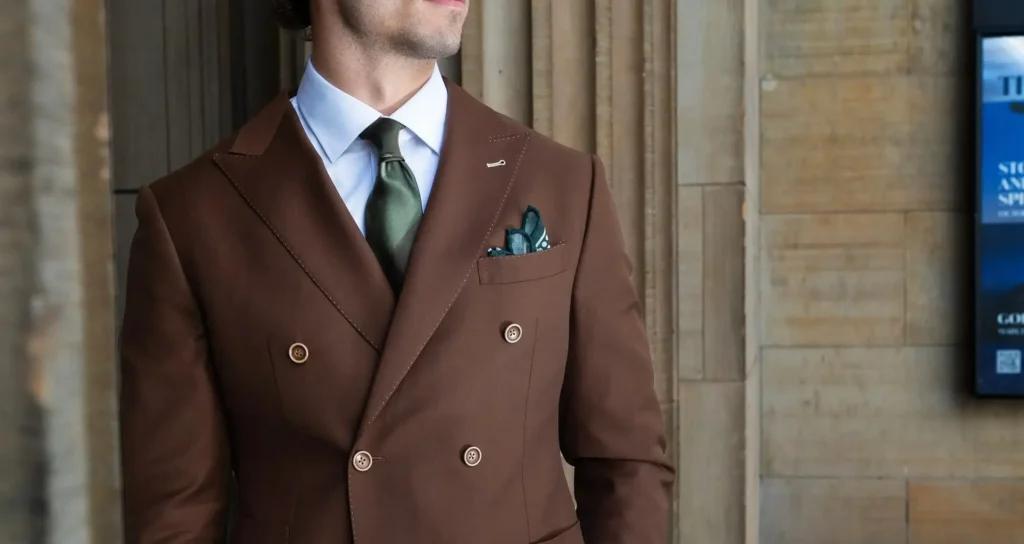
Yes, ties are still in style, but the way men wear them has become more intentional. Rather than being an everyday requirement, a tie is now often chosen to add polish, personality and structure to an outfit.
As workplace dress codes have relaxed, ties have become less common in many offices. Open-collar shirts, knitted polos and unstructured jackets are now acceptable in workplaces that once required a full suit and tie. However, this change does not mean ties are outdated.
Ties remain appropriate for:
- Formal business meetings and presentations
- Job interviews in traditional industries
- Weddings and important celebrations
- Black-tie and formal evening events
- Client-facing roles that require a polished appearance
- Tailored outfits designed to make a personal style statement
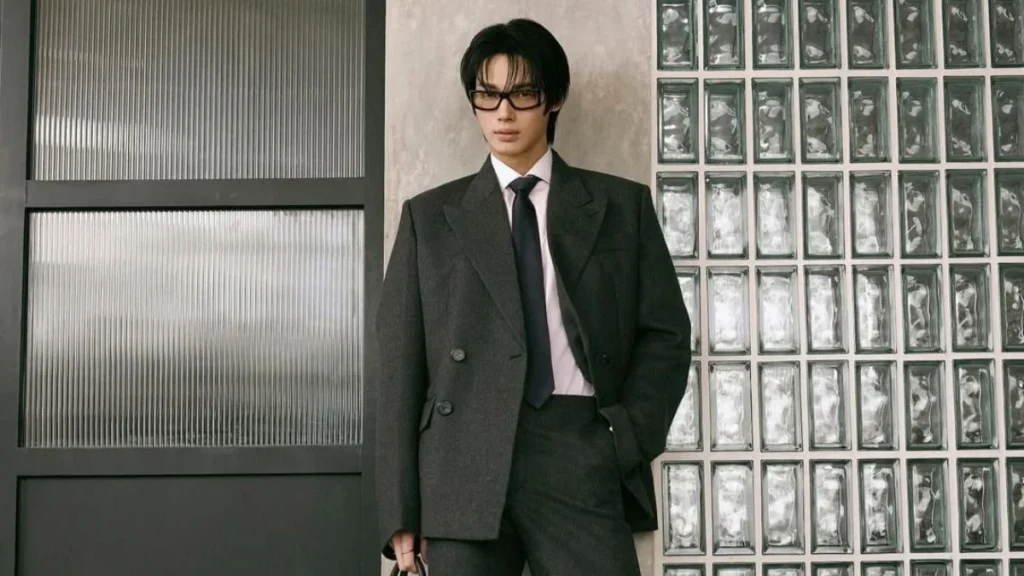
Recent menswear collections have also shown that ties can work beyond traditional business clothing. Designers are pairing them with relaxed suits, textured knitwear, oversized tailoring and unconventional shirt-and-jacket combinations.
The modern tie is no longer simply a symbol of compulsory office dress. It has become a versatile accessory that can add contrast, refinement and character to an outfit.
Ultimately, ties are still fashionable when they suit the occasion and complement the rest of the look. The tie has moved from being part of an everyday uniform to an accessory men choose when they want to appear refined, expressive or appropriately dressed.
The Role of Ties in Thailand’s Fashion Scene
In Thailand, ties continue to play an important role in both business and social occasions. While Bangkok’s tropical climate encourages lighter and more casual dressing, professionals and gentlemen attending meetings or formal gatherings still rely on ties to complete their attire. In Thai business culture, a tie often signifies respect, confidence and readiness to engage seriously, especially in industries like finance, hospitality and government service. Even in modern Bangkok offices that adopt a smart-casual code, well-chosen ties add polish and refinement to an outfit. Visitors to Thailand looking to upgrade their wardrobes often discover that local tailors offer exceptional craftsmanship at accessible prices, blending Western design with Thai attention to detail.
When Should You Wear a Tie?
Knowing when to wear a tie depends on the dress code, the occasion and the impression you want to create. While ties are no longer required everywhere, they remain an important part of formal, professional and polished outfits.
Business and Professional Settings
Wear a tie for important meetings, job interviews, presentations and workplaces with traditional business dress codes. Navy, burgundy, dark green and subtly patterned ties are versatile choices that look professional without appearing too formal.
Weddings
A tie is usually appropriate for formal and semi-formal weddings. Solid silk ties, understated patterns and colours that complement the wedding theme are dependable options.
For beach or destination weddings, lighter materials such as linen, cotton or textured silk pair well with breathable suits.
Black-Tie Events
When an invitation specifies black tie, a black bow tie should be worn with a tuxedo. A standard necktie is better suited to formal evening events that do not require full black-tie attire.
Smart-Casual Occasions
A tie is optional for most smart-casual events, but a knitted or textured tie can add personality to a blazer, shirt and tailored trousers. Choose a relaxed knot and avoid overly shiny business ties.
Funerals and Solemn Events
For funerals and other solemn occasions, choose a plain black, charcoal or dark navy tie. Keep patterns minimal so the overall appearance remains respectful and understated.
How to Pick the Right Tie for the Occasion and for You
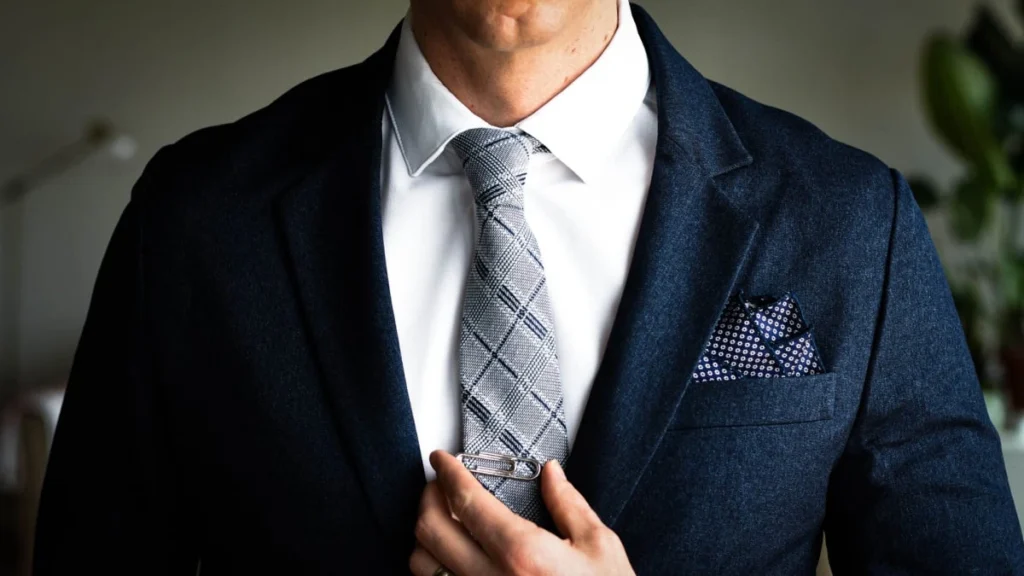
Selecting the right tie is more than just a matter of picking a colour or pattern; it involves thoughtful consideration of several factors that can dramatically impact your overall appearance.
Body Type and Face Shape
Understanding your body type and face shape is crucial when selecting a tie, as these factors can influence which styles and widths will look best on you.
Body Type:
- Tall and Slim: If you have a lean physique, you can pull off both skinny and wider ties. A skinny tie can enhance your slender frame, while a wider tie can add balance. However, avoid overly bold patterns that might overwhelm your frame
- Average Build: For those with a standard build, medium-width ties (about 3 to 3.5 inches) are generally the most flattering. These ties offer a balanced look without drawing too much attention away from your overall outfit
- Stocky or Broad Shoulders: If you have a broader frame, opt for wider ties (3.5 inches and above) to create a sense of proportion. Wider ties can help balance out broader shoulders, providing a more harmonious silhouette
Face Shape:
- Round Face: A tie with a pointed end and a longer length can help elongate the appearance of a round face. Avoid very wide ties, as they may emphasise the roundness
- Square Face: Ties with softer edges, such as a bow tie or a tie with rounded ends, can soften the angular features of a square face. A medium-width tie can also complement your features well
- Oval Face: Those with an oval face shape can experiment with various tie styles, as this face shape is versatile. Both skinny and wider ties can work, so choose based on your personal preference and outfit
Suit Style
- Formal Suits: For formal occasions, such as weddings or business meetings, stick to classic tie styles in solid colours or subtle patterns. Silk ties are preferred for their luxurious appearance
- Business Casual: In a business casual setting, you can afford to be more adventurous. Knitted ties or those with playful patterns can add personality while remaining appropriate
- Casual Suits: For casual suits, such as linen or cotton blends, consider lighter fabrics and more relaxed tie styles. A patterned tie or bow tie can enhance the laid-back vibe
Tie Width and Jacket Proportion
The right tie width should complement the width of your jacket lapels. Matching these proportions creates a balanced look and prevents the tie or jacket from appearing out of place.
A medium-width tie, around 3 to 3.5 inches, is the most versatile choice for modern suits. It works well with classic and moderately slim lapels without looking too narrow or too traditional.
Skinny ties suit narrow lapels and slim tailoring, while wider ties pair better with fuller-cut suits and broad lapels. Instead of following trends alone, choose a tie width that matches the overall proportions of your suit.
Tie Fabric and Texture
Tie fabric affects both formality and seasonal suitability. Choosing the right texture helps your tie complement the suit, occasion and climate.
Smooth silk ties are ideal for business attire, weddings and formal evening events. Their clean finish pairs especially well with worsted wool suits.
Grenadine and textured silk ties add depth without excessive shine, making them suitable for business suits, blazers and smart-casual outfits.
Knitted ties have a more relaxed appearance and work well with sport coats, chinos and soft tailoring.
Linen and cotton ties are excellent for warm weather and lightweight suits, while wool ties pair best with autumn and winter fabrics such as flannel and tweed.
For Bangkok’s warm climate, lightweight silk, grenadine, linen and cotton ties are generally more comfortable and appropriate than heavier wool styles.
Comfort Level
Consider the fabric as well; some materials may feel more comfortable against your skin than others. For instance, silk ties offer a luxurious feel, while cotton ties can be more breathable and casual
Choose ties that you feel comfortable wearing. If you are not used to wearing ties, start with simpler designs and gradually experiment with more complex patterns or styles as you become more confident

How Do You Match a Tie with a Shirt and Suit?
To match a tie with a shirt and suit, aim for contrast without making every element compete for attention. The suit should usually be the darkest or most dominant piece, the shirt should provide a clean background, and the tie should either connect the colours or add a controlled accent.
Classic combinations include:
- Navy suit, white shirt and burgundy tie
- Charcoal suit, pale blue shirt and navy patterned tie
- Light grey suit, white shirt and dark green tie
- Brown suit, cream shirt and rust or navy tie
- Beige linen suit, white shirt and textured blue tie
When mixing patterns, vary their size. A fine-striped shirt can work well with a tie featuring larger dots or a broader geometric design. Avoid pairing a striped shirt with a striped tie of a similar width, as the patterns may clash.
For a versatile wardrobe, start with solid or subtly textured ties in navy, burgundy and dark green before adding bolder colours and patterns.
Common Mistakes to Avoid with Ties
Men often make several common mistakes when wearing ties that can detract from their overall appearance. Here is a condensed overview of these mistakes and how to avoid them:
Mismatched Patterns
Choosing ties with clashing patterns can disrupt your outfit’s cohesion. When pairing patterns, ensure they complement each other. If your shirt is patterned, opt for a solid tie or one with a subtle pattern. Conversely, a bold-patterned tie works well with a solid shirt.
Inappropriate Lengths
Wearing a tie that is too short or too long can throw off your proportions. A well-tied tie should ideally reach the middle of your belt buckle for a balanced look. Adjust the length based on your body type. Taller individuals need longer ties, while shorter men should choose appropriately sized ones.
Neglecting Care
Proper care is essential for maintaining the appearance and lifespan of your ties. Regular cleaning is important, but most ties should be dry-cleaned to avoid damage. Store ties by hanging them or rolling them loosely to prevent creases; avoid folding them. Keep ties away from direct sunlight and heat to prevent fading and loss of shape.
By being aware of these common mistakes, mismatched patterns, inappropriate lengths and neglecting care, you can enhance your tie game and ensure that your ties contribute positively to your overall style.
How Tailoring Makes a Tie Look Better
A tie looks best when it matches the proportions of the suit and shirt beneath it. Details such as jacket lapel width, shirt collar shape, shoulder structure, and overall fit all affect which tie width and knot create the most balanced appearance.
A properly tailored shirt also helps the collar sit neatly around the tie without gaps, pulling, or bunching. When ordering a custom suit or shirt, consider how often you wear ties so the collar, lapels, and jacket proportions can be designed to complement your preferred style.
Michael Tailors creates custom suits and shirts in Bangkok for business, weddings, and formal occasions. Every garment is tailored to the wearer’s build, personal style, and Bangkok’s warm climate, helping each tie, shirt, and suit work together for a polished and comfortable look.
Final Thoughts
While fashion trends may evolve, ties still hold significant value in many contexts, especially when paid with a suit from one of the best tailors in Bangkok, Michael’s Tailors. These skilled artisans understand how to enhance personal style and project professionalism, making ties a versatile accessory for any wardrobe. Embrace ties as an essential part of your attire, and don’t shy away from expressing your individuality through this timeless accessory, knowing that a well-tailored tie can elevate your overall look and make a lasting impression.

More Articles
Getting a Suit Made in Bangkok on a Short Trip: Real Customer Stories
Suit vs Tuxedo: Key Differences and When to Wear Each One