How much does it cost to tailor a suit in Bangkok

Table of Contents
    Add a header to begin generating the table of contents
    how much does a suit cost in Bangkok banner

    In 2026, you can still find shops advertising suits from around THB 5,000, while premium tailoring can cost THB 30,000, THB 70,000 or considerably more.

    That difference is exactly why comparing tailors by price alone can be misleading.

    Fabric quality, construction, the tailoring method, number of fittings and included services can all change the final cost. A THB 5,000 promotional suit and a THB 30,000 suit may both be described as “tailored,” while the materials and process behind them can be very different.

    This guide explains what tailored suits cost in Bangkok, what affects the price, the additional costs to check and how to decide what represents good value for your budget.

    What Does a Tailored Suit Cost in Bangkok?

    There is no single standard price for a tailored suit in Bangkok. In 2026, customers can find promotional suits from around THB 5,000, while premium and luxury tailoring can cost THB 30,000, THB 50,000 or considerably more.

    The ranges below are useful as a general market guide, but the final price depends on the fabric, construction, tailoring process and what is included in the quotation.

    Entry-Level and Promotional: Around THB 5,000–10,000

    Some Bangkok tailor shops advertise complete suits from around THB 5,000, particularly through promotional packages or selected fabric ranges.

    At this level, you are more likely to find economical fabrics, synthetic blends and simpler construction. Fabric choices, design options and the number of fittings may also be more limited.

    A lower price does not automatically mean a poor suit, but it is important to check exactly what the quotation includes before comparing it with a higher-priced option.

    Mid-Range: Around THB 10,000–25,000

    This is a broad part of Bangkok’s tailoring market and can offer a good balance between price, fabric quality and customisation.

    Depending on the tailor and fabric selection, customers may find better wool, suit fabrics sourced from Europe, including Italian options, improved linings, more construction choices and a more detailed fitting process.

    The exact boundary between budget and mid-range varies between shops. A THB 12,000 suit from one tailor may be very different from a suit at the same price elsewhere, so fabric, construction and fittings are more useful comparison points than price alone.

    Premium: Around THB 25,000–50,000

    Premium tailoring generally gives customers access to higher-grade European fabrics, more refined construction, additional handwork and greater customisation.

    This price range may include premium Italian suiting fabrics, more complex jacket construction and a more detailed tailoring process.

    At this level, the tailor should be able to explain clearly what is driving the higher price, whether that is the fabric, construction, workmanship or fitting process.

    Luxury and High-End Bespoke: THB 50,000+

    Luxury tailoring can exceed THB 50,000, particularly when the suit uses premium cloth from established European mills, specialist fabrics or more labour-intensive bespoke construction.

    Certain luxury fabrics can take the final price well beyond this range.

    A higher price does not automatically mean a better suit for every customer. The fabric and construction should still be appropriate for how often the suit will be worn, the climate and the purpose of the garment.

    These figures are general market guidelines rather than fixed prices. The actual quotation will depend on the suit you order and the services included.

    What Is Usually Included in the Price?

    A standard two-piece suit normally includes one jacket and one pair of trousers, but the services included around those garments can vary.

    A typical quotation may cover the fabric, consultation, measurements, pattern creation or adjustment, one or more fittings, standard lining and buttons, final alterations before collection and a garment bag.

    Some details may be standard with one tailor but upgrades with another. Premium linings, special buttons, functional sleeve buttonholes, hand finishing, monograms, canvas construction and delivery can all affect the final bill.

    Always ask for the complete quotation before the fabric is cut.

    Factors Influencing the Cost of Tailoring a Suit

    The biggest price differences usually come from the fabric, tailoring method, construction and complexity of the garment.

    Fabric Selection

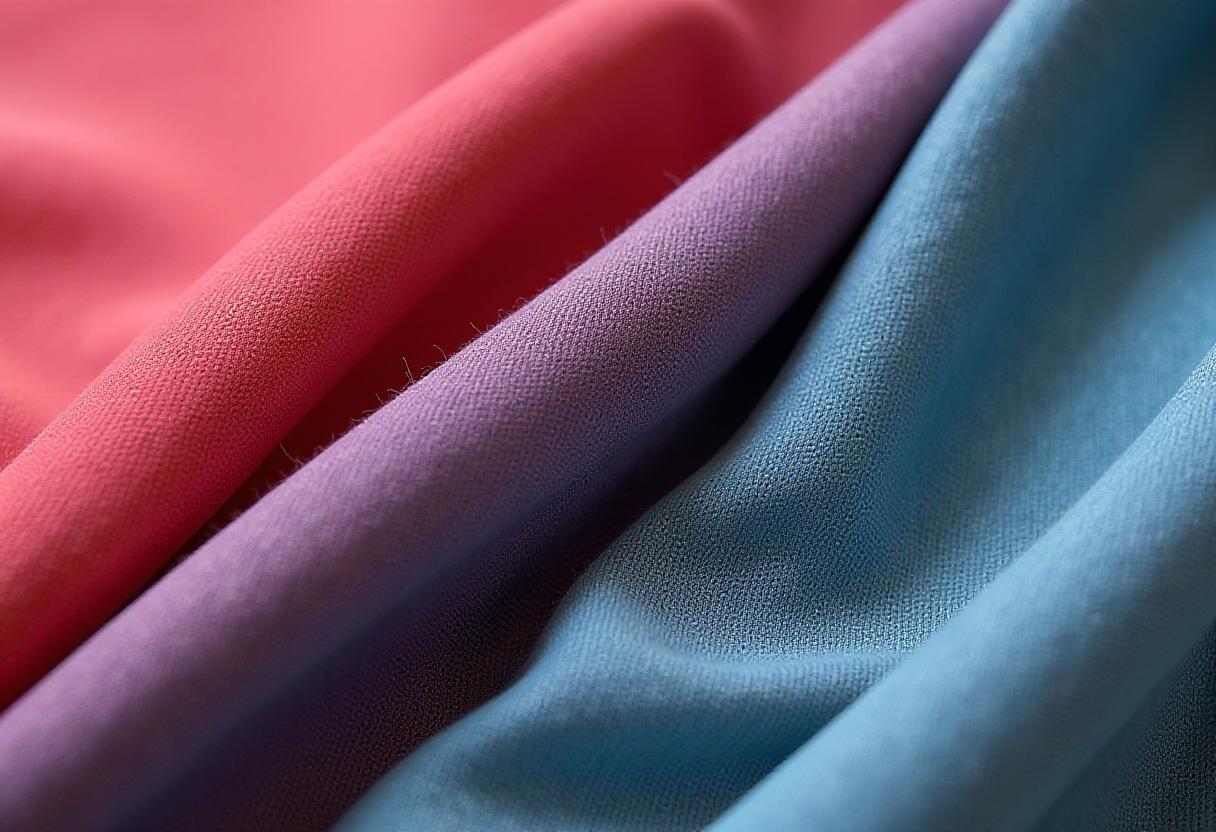
    Fabric is one of the primary factors influencing the cost of a tailored suit in Bangkok. Prices vary by fibre, quality, mill, weave and supplier, and different tailor shops may charge different amounts for similar categories of cloth.

    At Michael Tailors, suit fabrics are sourced from established mills and suppliers across Europe, including premium options from Italy. For shirts, we also offer fabrics sourced from Egypt, a country widely associated with high-quality cotton.

    The ranges below are therefore best treated as general guidance rather than fixed retail prices.

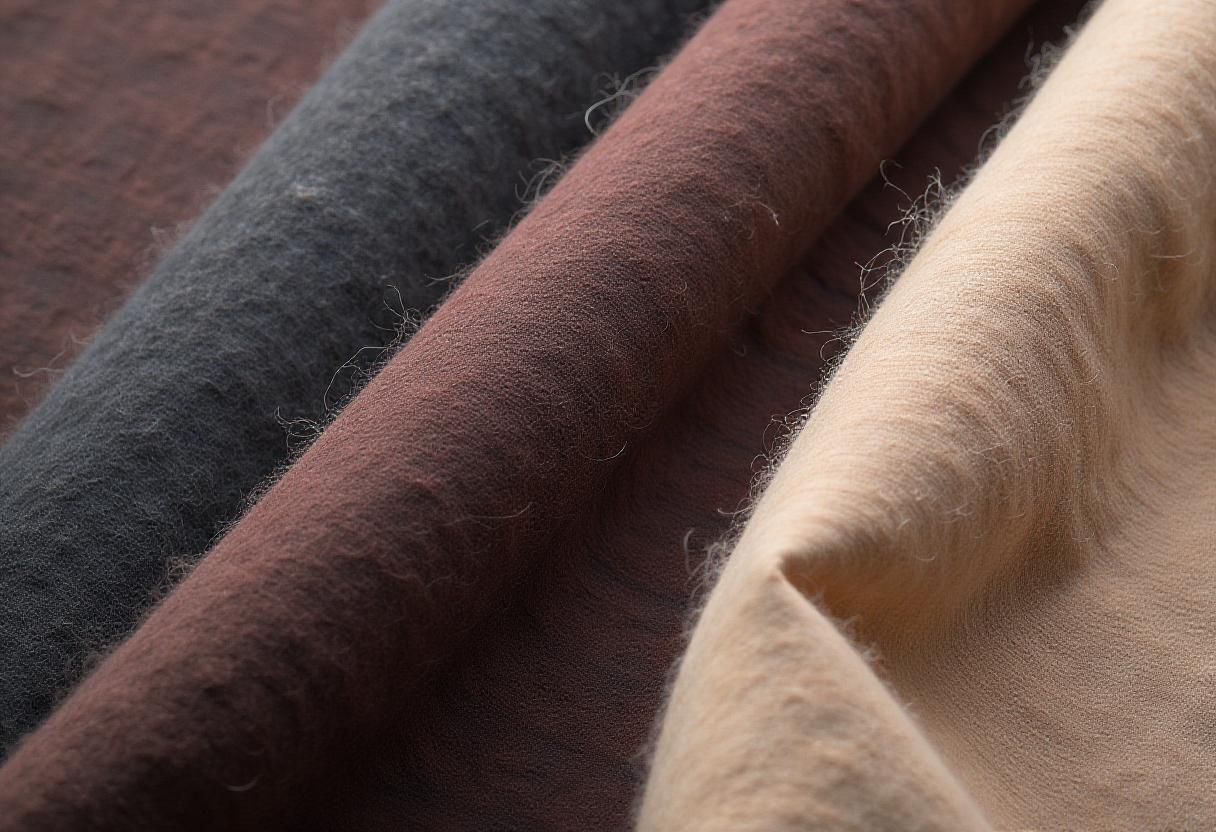
    Wool is one of the most popular suit fabrics because of its versatility, durability and breathability. Merino wool offers a soft, fine feel, while tropical wool is lighter and particularly practical in hot weather. Wool fabrics generally range from THB 1,500 to THB 5,000 per metre, depending on quality and type.

    Cotton is breathable and comfortable, making it suitable for more casual tailoring and warm weather. Cotton twill is strong enough for trousers and jackets, while lighter cottons such as poplin are more commonly used for shirts. Prices typically range from THB 800 to THB 3,000 per metre.

    Linen is lightweight and breathable, making it especially suitable for Bangkok’s warm climate. It wrinkles more visibly than wool, giving it a naturally relaxed appearance. Linen commonly ranges from THB 1,200 to THB 4,000 per metre.

    Synthetic blends, including polyester and rayon blends, are commonly used at the more affordable end of the market. They can improve durability and wrinkle resistance while keeping costs lower. Prices generally fall between THB 800 and THB 2,500 per metre.

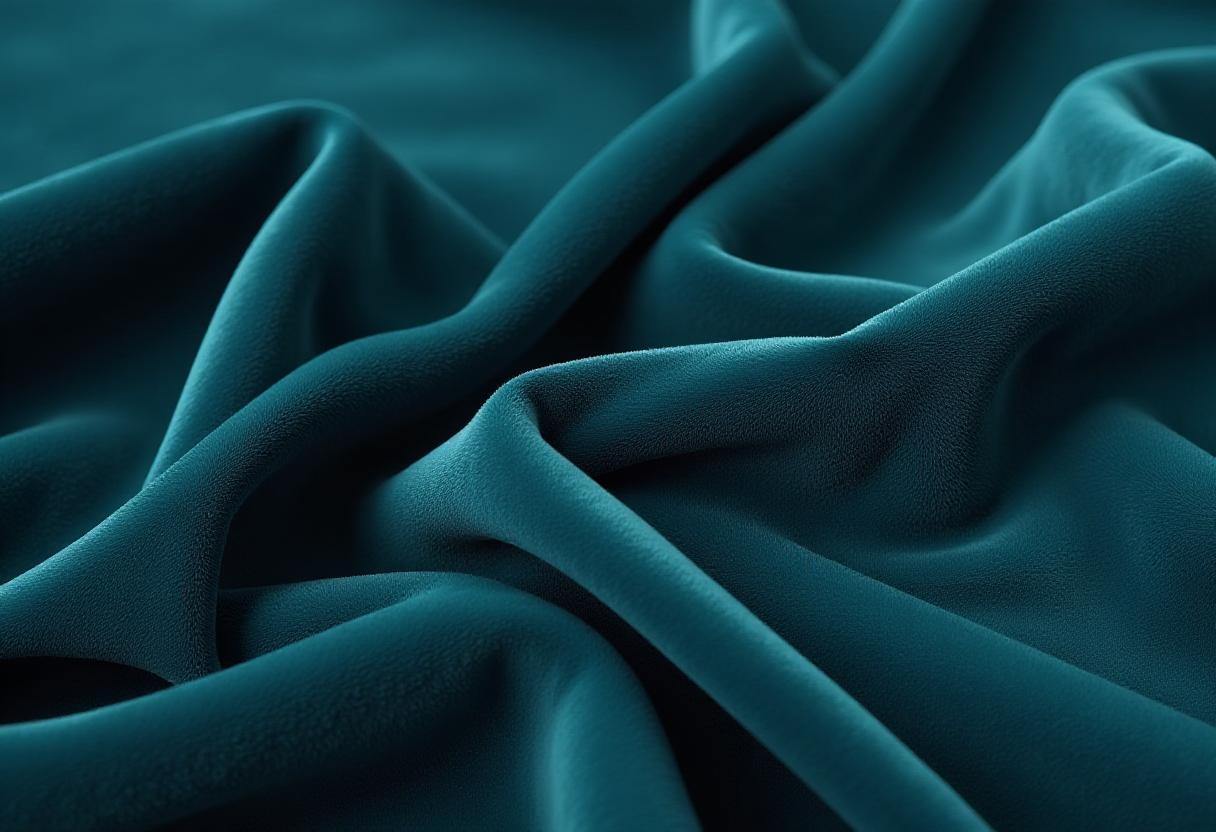
    Velvet is mainly used for distinctive formal and evening garments such as dinner jackets. Its richer texture generally makes it more expensive than basic cotton or synthetic fabrics, with prices ranging from THB 2,500 to THB 8,000 per metre.

    Canvas fabric, a sturdy woven material usually made from cotton or linen, is more commonly used for casual jackets, trousers and workwear-inspired clothing than traditional business suits. Prices generally range from THB 800 to THB 2,000 per metre.

    These fabric prices are not the cost of the finished suit. The final quotation also includes the amount of cloth required, cutting, labour, fittings, lining, buttons and construction.

    Tailoring Service Type

    How the suit is produced also affects the price.

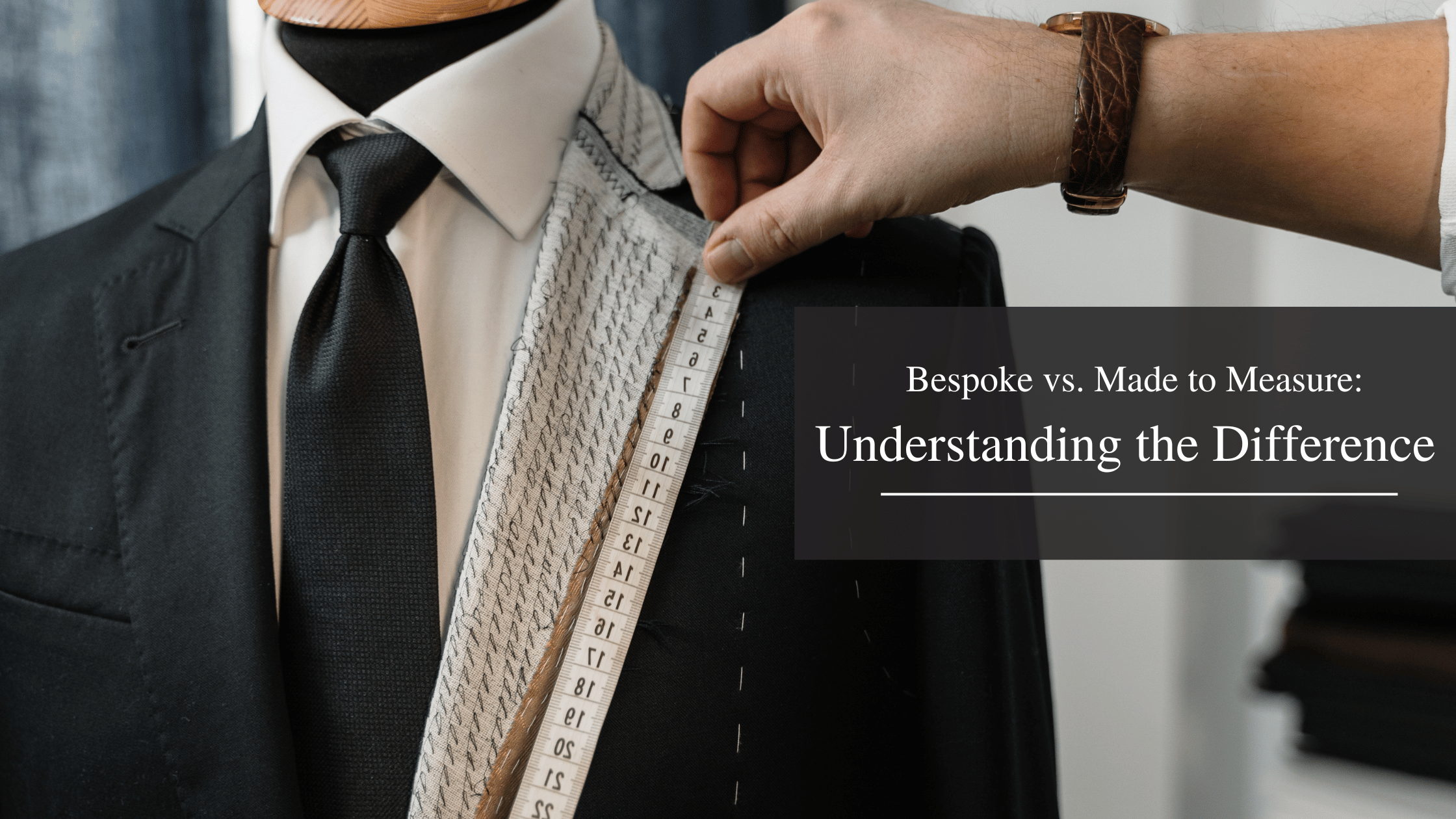
    Bespoke tailoring traditionally involves creating an individual pattern for the wearer and refining the garment through fittings.

    Made-to-measure normally begins with an existing base pattern that is adjusted according to the customer’s measurements and preferences.

    Ready-to-wear clothing is produced in standard sizes before purchase and can then be altered if necessary.

    These terms are not always used consistently by every tailor, so ask how the garment is actually made rather than relying on the label alone.

    Construction and Design

    Jacket construction can also influence price. Fused jackets are generally less labour-intensive, while half-canvas and full-canvas construction require different internal structures and can increase the amount of work involved.

    This is separate from canvas fabric mentioned above. One describes a type of cloth; the other describes how a tailored jacket is internally constructed.

    Design choices also matter. A three-piece suit costs more than a two-piece, while extra trousers, specialist buttons, premium linings and complex details may increase the quotation.

    What Additional Costs Should You Consider?

    The advertised suit price may not represent everything you eventually pay.

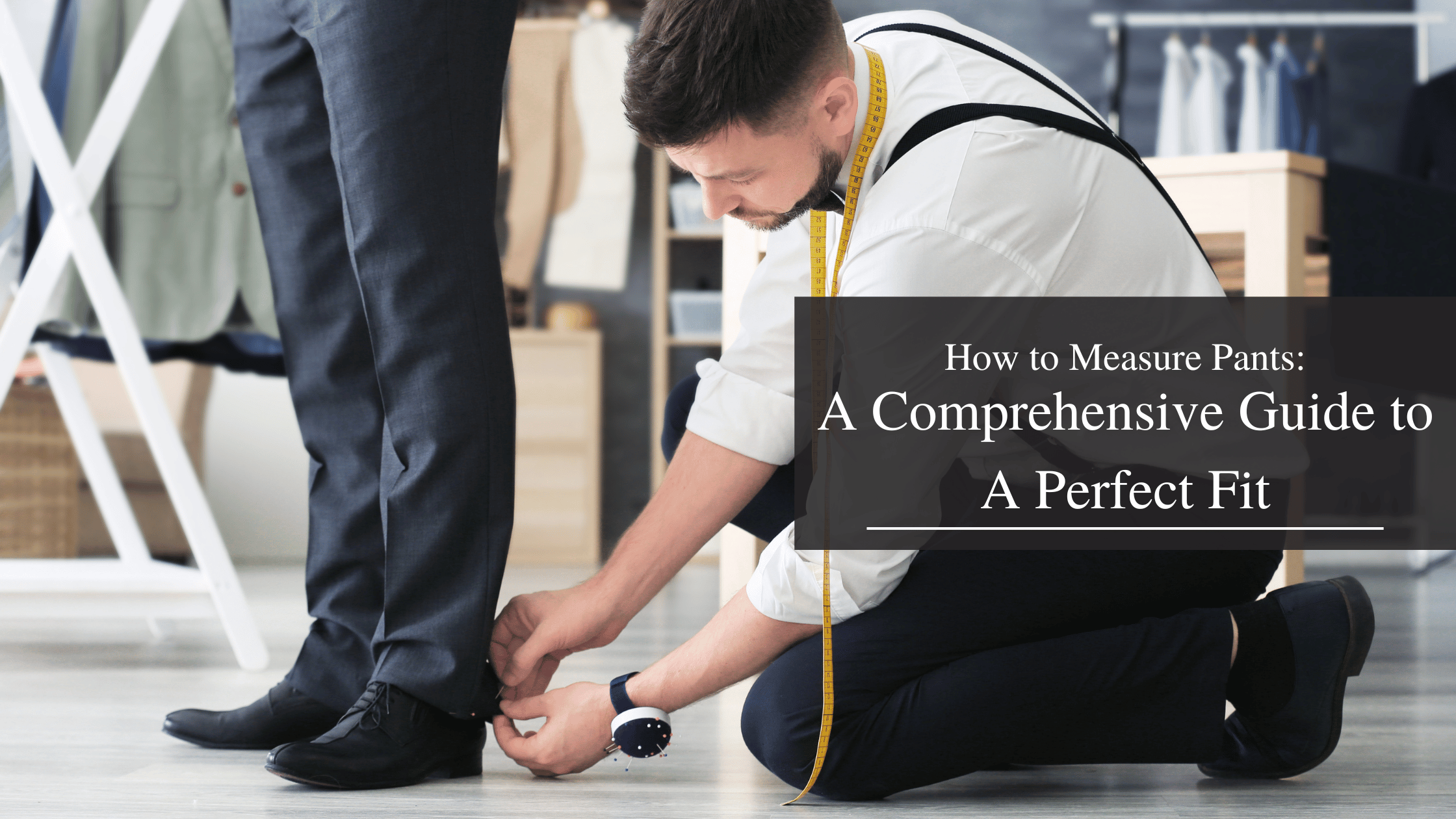
    Alterations made during the normal fitting process are often included, but policies can differ for major design changes, changes in body size or adjustments requested after the final suit has been approved.

    International customers should also ask what happens if they discover a fit problem after returning home. Post-delivery alteration policies vary between tailors.

    Shirts, ties, shoes, waistcoats and additional trousers should not be assumed to be included unless they appear specifically in the quotation.

    Also confirm whether the price covers VAT, local or international delivery, express production, hotel fittings, premium fabric surcharges and future adjustments.

    Tipping is optional and should not be treated as a required tailoring cost.

    7 Things to Check Before Comparing Bangkok Suit Prices

    If you are comparing several tailor shops, use the same questions for each quotation:

    1. What garments are included? Confirm whether the quote covers a two-piece suit, three-piece suit, extra trousers or additional items.
    2. What exactly is the fabric? Ask about fibre composition, mill or supplier and whether the quoted price applies only to selected fabrics.
    3. How is the jacket constructed? Check whether it is fused, half-canvas or full-canvas.
    4. How is the suit being made? Ask how the tailor defines bespoke or made-to-measure and what that process actually involves.
    5. How many fittings are included? Enough fitting time is important if the garment needs adjustment.
    6. What costs extra? Confirm alterations, linings, buttons, VAT, delivery and other upgrades before ordering.
    7. What happens after collection? Ask about further adjustments, measurement records and support if you discover a problem later.

    Once every shop is answering the same questions, the tailor made suits in Bangkok price becomes much easier to compare meaningfully.

    How to Get Better Value From Your Suit

    Tailored suit with measuring tape

    Good value does not necessarily mean choosing the cheapest suit. It means spending the budget where it makes the greatest difference.

    Fit should come first. Shoulder balance, jacket length, collar position, sleeve length and trouser proportions usually have more impact on appearance than decorative upgrades. Our guide to how a suit should fit explains what to look for during a fitting.

    Fabric should also match the climate and frequency of wear. Tropical wool can be a practical choice for regular business use in Bangkok, while linen and cotton suit more relaxed occasions. For a deeper look at the materials themselves, see our guide to suit fabrics.

    If the suit will be worn regularly, an additional pair of trousers can also provide good long-term value because trousers normally experience more wear and cleaning than the jacket.

    Decorative details can come afterwards. Custom linings, monograms and unusual buttons make a garment more personal, but they cannot compensate for poor fit or unsuitable fabric.

    How Do You Choose the Right Bangkok Tailor?

    Price should be part of the decision, not the entire decision.

    Look at recent customer feedback, examples of finished work and how clearly the tailor explains fabrics, construction and fittings. Comparing several shops can also help you understand what different price levels actually include.

    Be particularly cautious when a very low advertised price cannot be explained clearly or when upgrades appear only after the order has started.

    Our tips for choosing the right custom tailor in Bangkok cover the wider selection process in more detail.

    Travellers should also allow enough time for fittings. Visit early in your Bangkok stay rather than leaving the first appointment until the day before departure.

    Is Tailoring a Suit in Bangkok Worth the Cost?

    For many customers, the appeal of having a suit made in Bangkok is not simply finding a lower price.

    Custom tailoring provides more control over fit, fabric, proportion and design. It can be particularly useful when standard jacket and trouser sizes do not work well together, when posture or shoulder shape needs adjustment, or when you want a garment suited to Bangkok’s warm climate.

    The word “tailored,” however, does not guarantee quality.

    The finished result still depends on measurements, pattern work, fabric, construction, fitting time and communication between the customer and tailor.

    That is why the most useful question is not simply, “How cheaply can I have a suit made in Bangkok?”

    It is, “What am I actually receiving for the price?”

    Conclusion

    Bangkok offers tailored suits across an unusually wide price range, from promotional options around THB 5,000 to premium bespoke garments costing many times more. At Michael Tailors, we believe the best value comes from understanding what is included, choosing fabric that suits how you will wear the garment and prioritising fit and workmanship over unnecessary extras. If you are comparing a Bangkok tailor shop, the price makes much more sense once you know what is actually behind it.

    Frequently Asked Questions

    Can you really get a tailored suit in Bangkok for THB 5,000?

    Yes, some Bangkok shops advertise suits around this price, particularly promotional packages and entry-level fabric selections. Check the fabric, construction, fittings and included items carefully so you know exactly what the offer covers.

    How much fabric is needed to make a suit?

    The amount varies according to body size, fabric width, pattern and whether the suit has two or three pieces. Rather than estimating the finished suit cost from a per-metre price, ask the tailor for a complete quotation for your chosen fabric and design.

    Does a higher Super number mean a better suit?

    Not automatically. Higher Super numbers generally refer to finer wool fibres, but very fine cloth is not always the most practical choice for regular wear. Climate, durability, drape and intended use should also influence the decision.

    Are alterations included in a tailored suit price?

    Fitting adjustments before collection are commonly part of the tailoring process, but policies vary. Confirm what is included and whether adjustments requested after collection or after returning home are covered.

    Is it cheaper to have a suit made in Bangkok?

    Bangkok offers tailoring across a very wide range of price points, which can make custom clothing competitive with tailoring in many other cities. Whether it represents better value depends on the fabric, construction, fitting process and finished quality rather than price alone.

    Michael

    Michael is a master tailor renowned for his precision, craftsmanship, and commitment to quality. As one of the best tailors in Bangkok, he specializes in creating bespoke suits that perfectly blend style and comfort. With a keen eye for detail and a deep understanding of fabrics, he ensures that every suit is tailored to perfection, making his clients look and feel their best for any occasion.

    More Articles

    Man adjusting his suit in front of mirror

    Getting a Suit Made in Bangkok on a Short Trip: Real Customer Stories

    Travelers often assume bespoke tailoring requires a long stay. In reality, a tight Bangkok itinerary can still leave ...
    Men in formal suits at a tailor shop

    Suit vs Tuxedo: Key Differences and When to Wear Each One

    A suit and a tuxedo may look similar at first, especially when both are dark and tailored. However, ...
    Man adjusting suit jacket

    How Should a Suit Fit? A Gentleman’s Guide to the Perfect Tailored Look

    A great suit starts with one thing above everything else: fit. The fabric, brand, color, and price may ...