
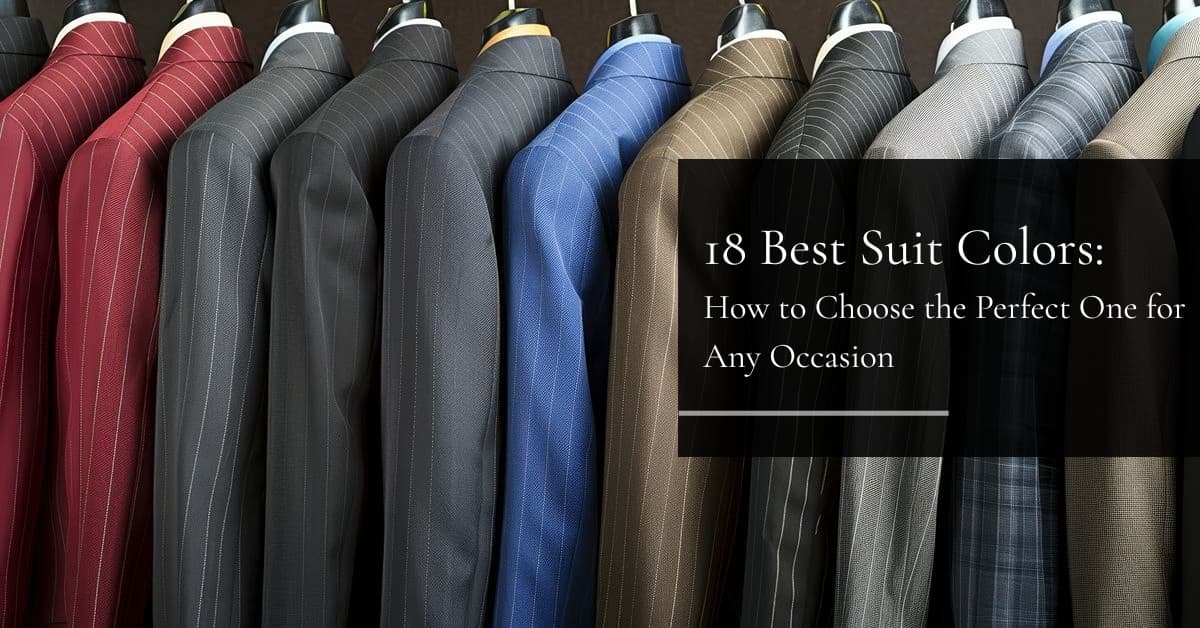
The right suit colour should make getting dressed easier, not create another decision to worry about. Navy may be the dependable starting point, but it is not the only useful choice. Charcoal can feel more formal, brown can soften a weekend look, and muted green can add personality without becoming loud.
The best suit colours for men depend on the occasion, season, the contrast between your clothing and complexion, and how often you expect to wear the suit. Not sure where to start? This guide will show you how to pick the right suit colour for any event. This suit colour guide by Michael Tailors, the best tailor in Bangkok, covers 18 practical options. We will then show how to narrow them down for various events, including interviews, business, weddings, evening events, and more relaxed tailoring. Before we dive into event appropriation, let’s go over a few things to think about first.
What Should You Consider Before Choosing a Suit Colour?
Before comparing swatches, start with four questions:
- What is the dress code? Conservative business settings usually favour darker neutrals, while weddings and social events allow more flexibility.
- Will you wear it during the day or evening? Lighter colours feel more natural in daylight, while deeper shades tend to suit evening events.
- What season and climate will you wear it in? Fabric matters as much as colour when dressing for warmer or cooler conditions.
- How often do you want to reuse it? Navy, charcoal, and medium grey are easier to rotate than stronger statement colours.
Dark charcoal and midnight navy are dependable choices for interviews, conservative offices, funerals, and formal evening invitations. Medium grey, blue, and brown offer more flexibility for daytime occasions, while tan, cream, olive, and burgundy work best when the dress code allows more personality.
Lighting and fabric matter too. A shiny black suit can look severe in daylight, while textured brown or linen-blend tailoring often feels more natural at an outdoor wedding. Fine worsted navy moves between the boardroom and reception more easily than a bright fashion colour.
Colour is only one part of the decision. Weave, finish, pattern, and fit can make the same shade appear more or less formal.
Which Core Suit Colours Deserve a Place in Your Wardrobe?
If you are building a wardrobe from scratch, these six colours cover most traditional business and formal requirements.
1. Navy: The Most Versatile Starting Point
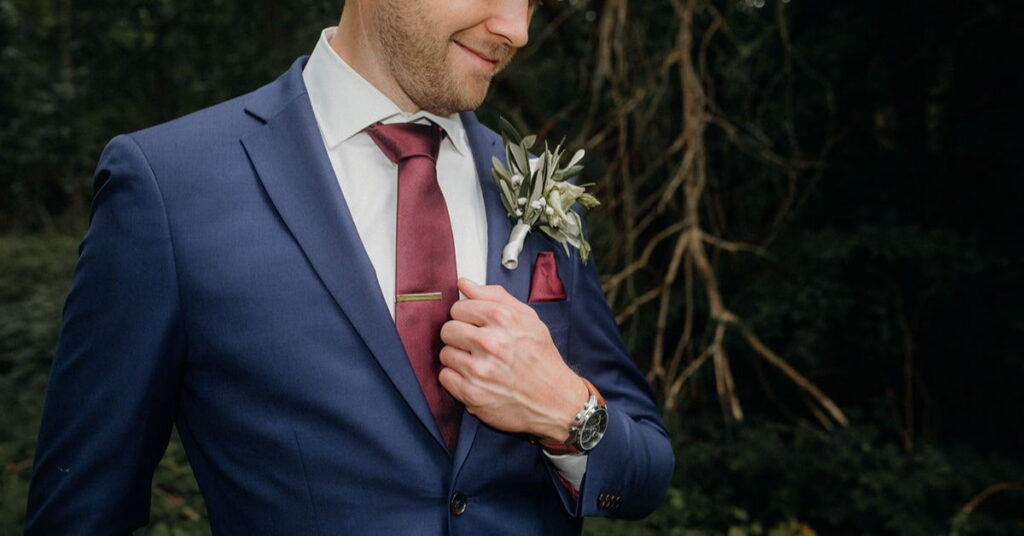
Navy suits can easily go with many other accessories like shirts and shoes. It goes well with white, blue, pink, and striped shirts, as well as brown and black shoes.
When selecting your suit, select the darkest possible navy blue for formal interviews and business. You could pick a slightly lighter variant of the same for more social occasions; light navy photographs especially well at weddings.
2. Charcoal Grey: Formal, But Not As Harsh As Black

Charcoal Grey is professional but not as stark as black. It works well in offices and for winter weddings.
White shirts provide a sharp contrast, while the pale blue shirt makes the outfit softer. Black shoes make the best match with this colour, although very dark burgundy might also go well with less formal fabrics.
In any case where one tries to compare a navy versus charcoal suit, there is no need to overthink it:
- Choose navy for versatility in going through various professional and social settings.
- Choose charcoal if your events are predominantly of conservative business and formal kind.
3. Medium Grey: A Flexible Daytime Suit Choice
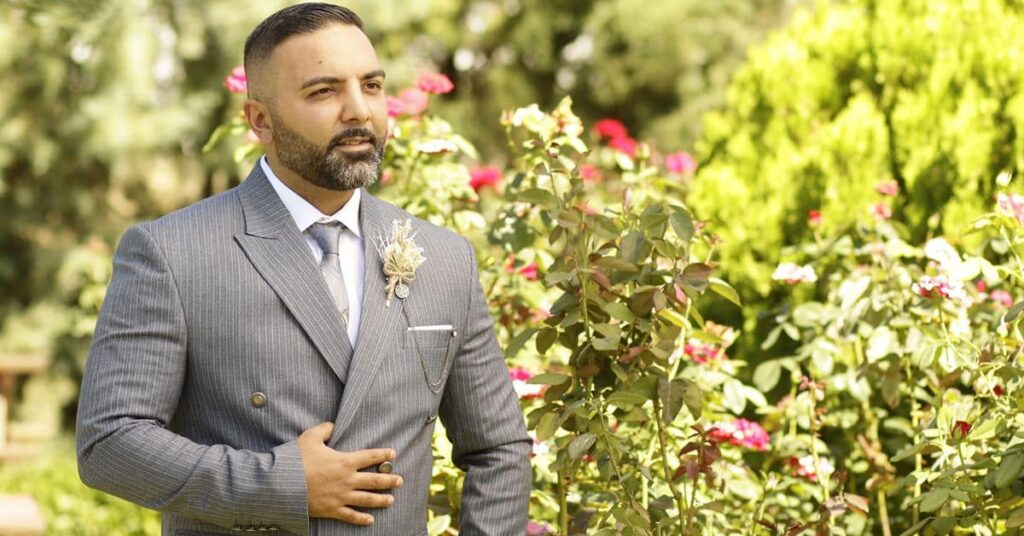
Medium grey is always an option for a daytime suit. Compared to charcoal, it is lighter and looks less corporate, pairing ideally with light blue shirts, brown shoes, and patterned ties.
Some type of texture, like hopsack or sharkskin, will help to avoid making plain grey look too monotonous.
4. Light Grey: Best for Bright, Daytime Settings

Light grey is best when worn in spring and summer seasons, especially for daytime events.
It goes nicely with white shirt while creating nice contrast. Pastel shirts will give it a more soft character. However, for a very formal nighttime event, dark colour suits will work better.
5. Black: Best Kept for Specific Formal Settings
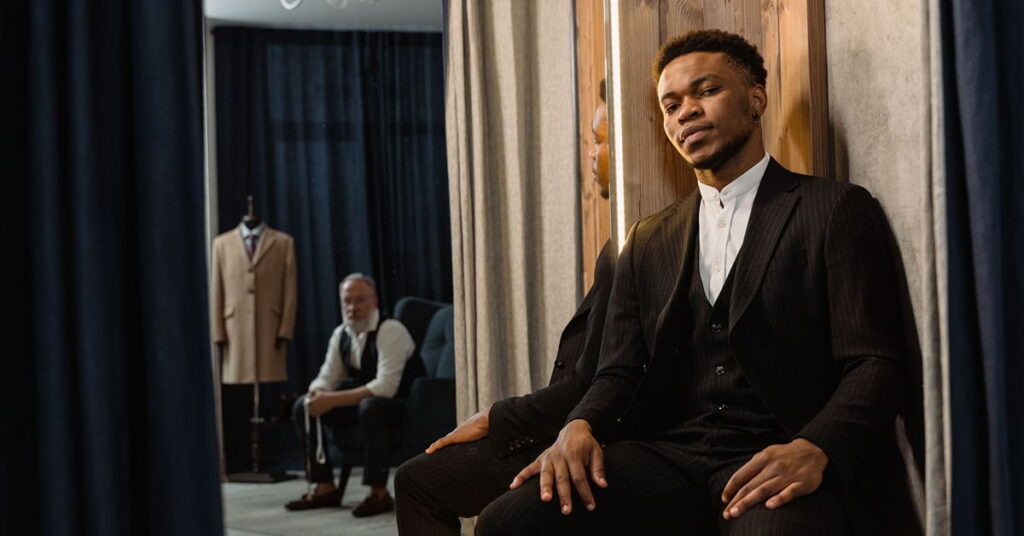
Black is appropriate for use in funerals, formal evenings, and some types of black-tie events; however, it lacks the versatility that people think it does.
Black can appear harsh at daytime weddings and too uniform-like in a generic cut. If one chooses to wear black, it should be a non-shiny material with a perfect fit.
6. Midnight Blue: A Refined Evening Alternative
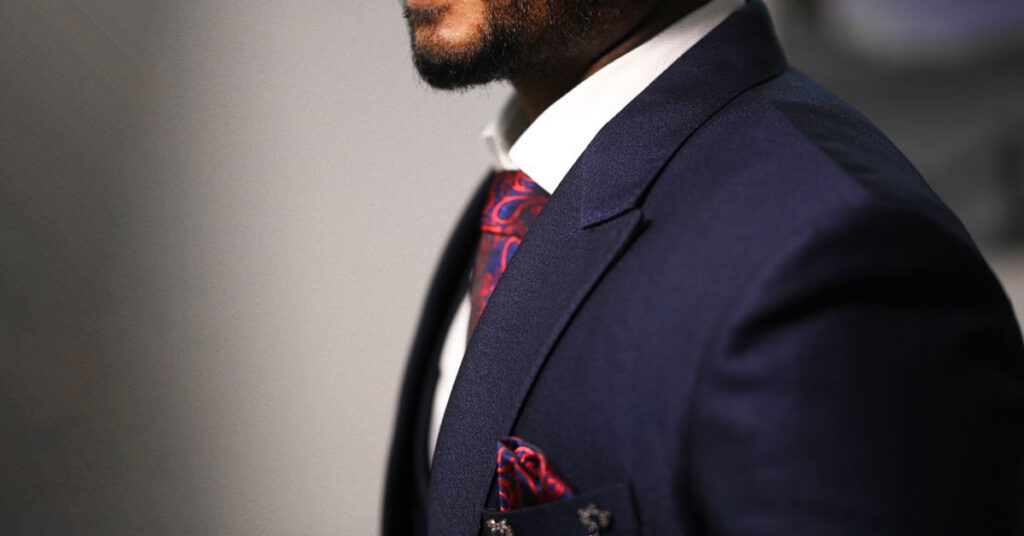
Midnight blue has all the formality of black but with a bit of depth. In low lighting, it will look black, but in bright light, it will reveal its true blue colour.
Worn with a white shirt and black shoes, it creates an excellent impression at formal dinners, ceremonies, and evening receptions.
Which Suit Colours Add Personality Without Becoming Difficult to Wear?
Having chosen your basic suit colours, this second list will give you room to choose a suit which is best suited to the weather, occasion and individual taste.
7. Royal or Cobalt Blue: Confident and Social

A brighter blue will suit weddings, social gatherings and summer affairs.
As the suit makes such a strong statement on its own, make sure you tone down everything else in the look:
- White shirt
- Subtle tie
- Smart brown or black shoes
- No clashing patterns
8. Powder or Steel Blue: Relaxed for Warm Weather
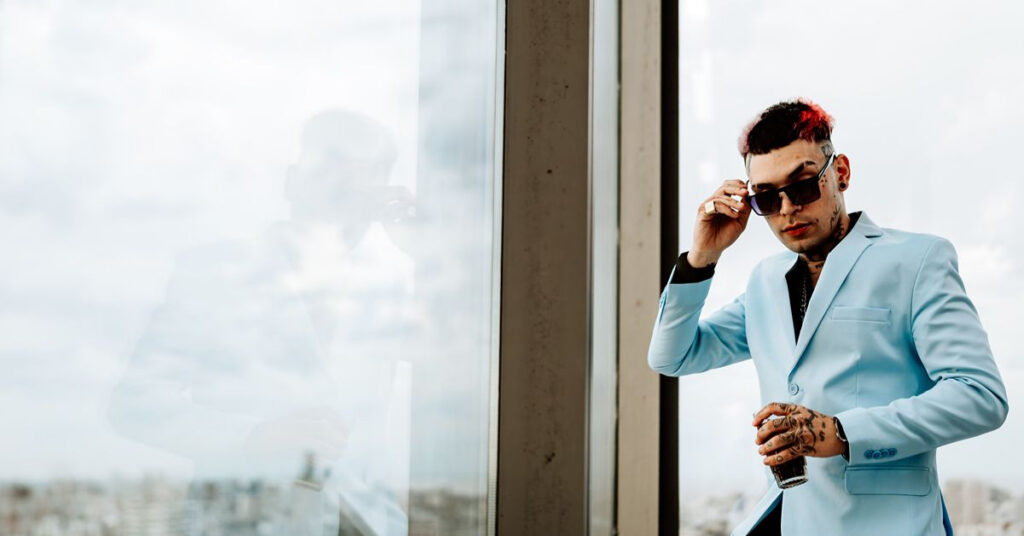
A pale blue suit looks summery and refreshing in linen, cotton or even lighter wool.
Wear brown loafers and white/cream shirt to complete your relaxed look. Since the colour carries little visual weight, clean cut tailoring becomes even more important.
9. Brown: Warm and Approachable
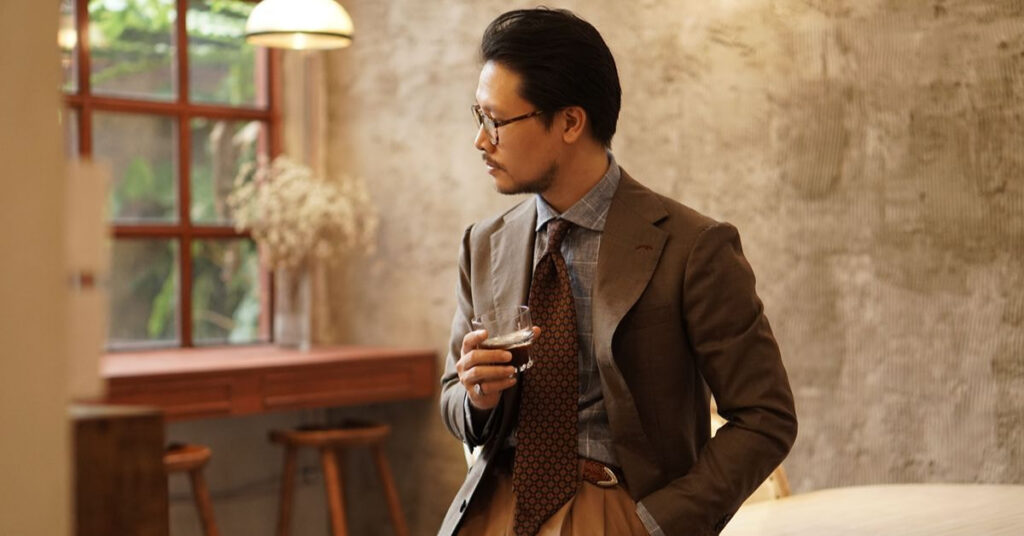
Brown tailoring suits particularly well for autumn, day time wear and smart casuals.
Chocolate brown goes nicely with cream, pastel blue and pink shirts. A medium brown can even be worn rather informally with an open collar. Textured fabric goes better with brown than a shiny one.
10. Camel and Tan: Natural for Daylight Events
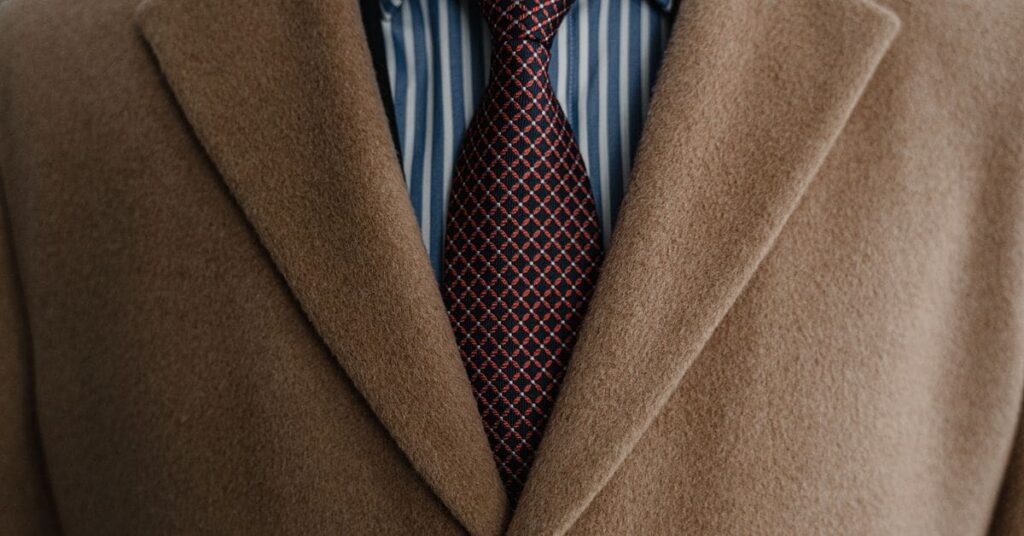
Camel and tan are good choices for:
- Daytime events
- Outdoor weddings
- Holidays and resort wear
- Casual summer gatherings
They work well with white, ecru, and light blue shirts, as well as dark brown suede shoes that enhance their casual look. The lighter colours tend to show up any markings more, which makes them slightly harder to care for.
11. Beige and Stone: Quiet Warm-Weather Neutrals
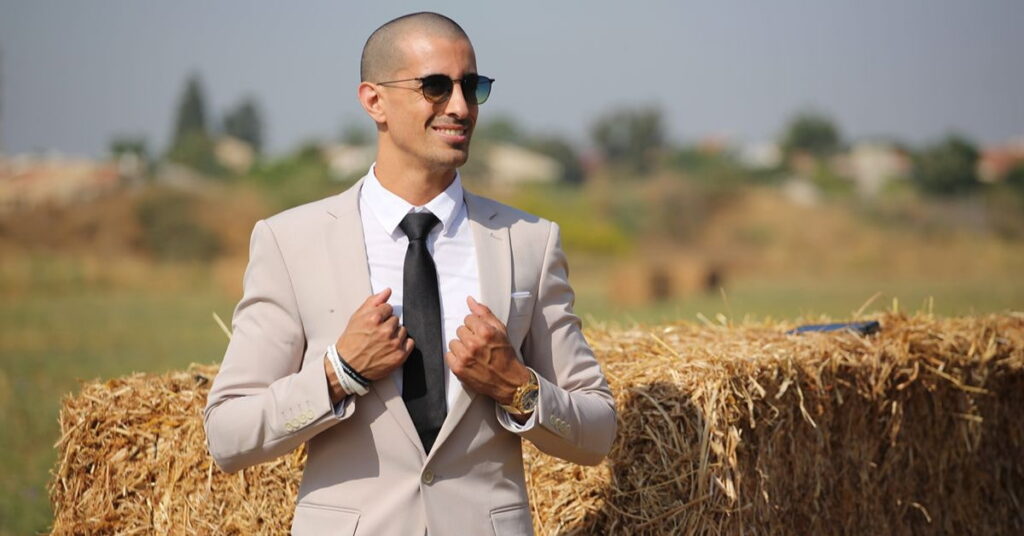
Beige is a calmer version of tan when you need a cooler neutral tone.
It matches well with knit polo shirts, loafers, and a looser construction for jackets. Stone can serve as an excellent transition from smart casual into business casual clothes, but rarely stands out as a choice for an interview.
12. Olive: Half Neutral, Half Statement

Olive falls somewhere in the middle between neutral and bold colour choices.
Olive goes nicely with:
- Cream
- White
- Chambray
- Light pink
- Brown leather
- Dark burgundy accessories
The fabrics that work well with it include cotton/linen blends and soft wool.
13. Forest Green: Distinctive but Controlled
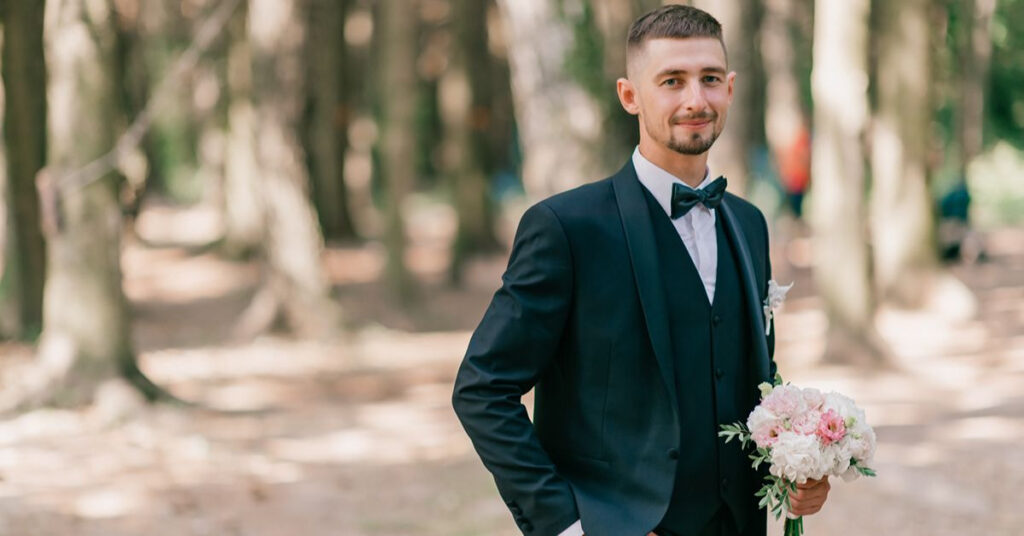
Forest green comes across as being somewhat weighty as a dark neutral, while remaining quite unique.
It can work well for evening weddings, festive events, and creative workplaces. Suiting your forest green suit with a white shirt and black or dark brown shoes would help keep the combination under control.
14. Burgundy and Wine: Powerful Combination for Autumn and Evening
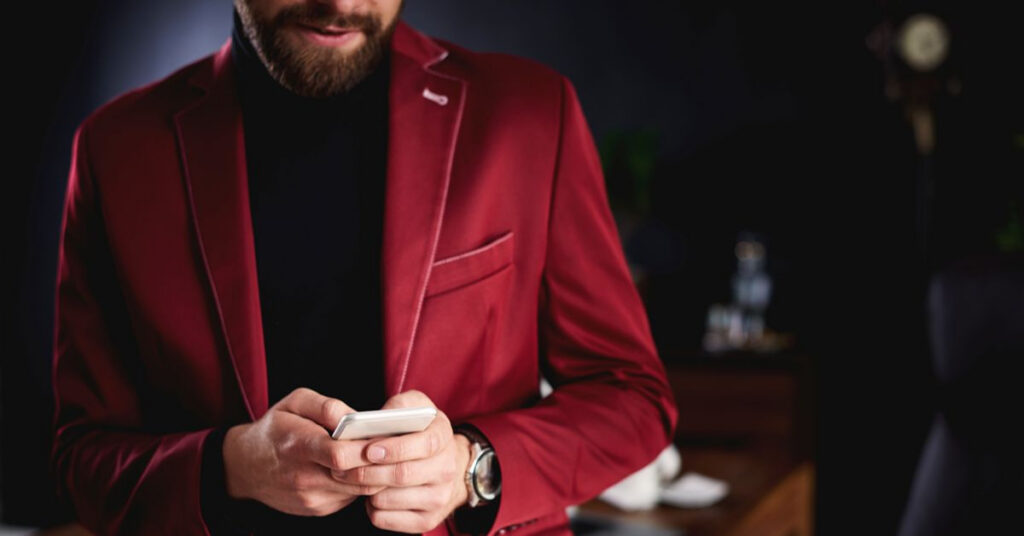
The burgundy suit is very expressive and is especially powerful when used for autumn events and evening parties.
Using a white, cream or pale blue shirt would make the suit stand out. In case of adding a burgundy tie, you should choose one that doesn’t look too similar in tone to your suit.
15. Plum: A Softer Alternative to Burgundy
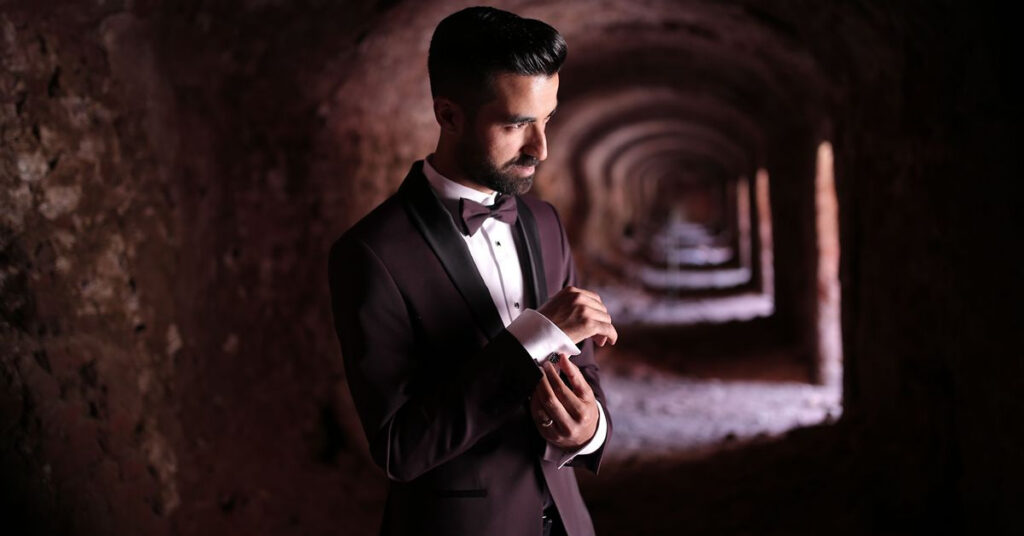
Plum is a bit less usual than burgundy and it is especially suitable for creative dress codes and evening wear.
The combination of red and blue tones in the plum colour makes neutral shirts a simpler choice. For a more formal look, you should use black shoes, and for a casual one – dark brown.
16. Rust and Terracotta: Warm and Expressive
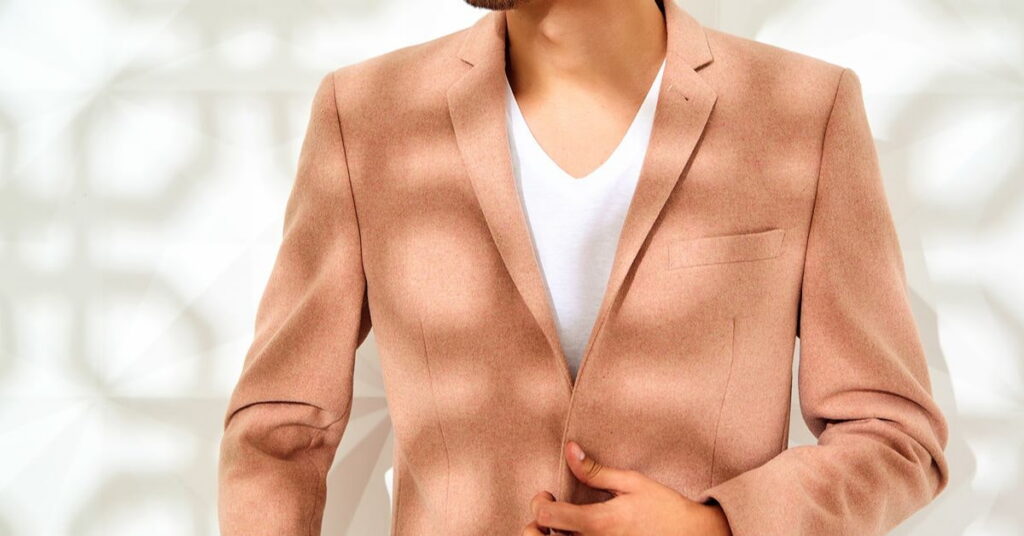
They make great combinations in autumn and when there is warm weather outside.
Maintain styling that will complement such colour choices:
- Cream/Off-white shirt
- Brown/Suede shoes
- Minimal prints
- Simple pocket square
- Naturally textured fabrics
Such a colour speaks for itself, so other elements of clothing should not distract from it.
17. Cream and Ivory: Elegant Summer Wear
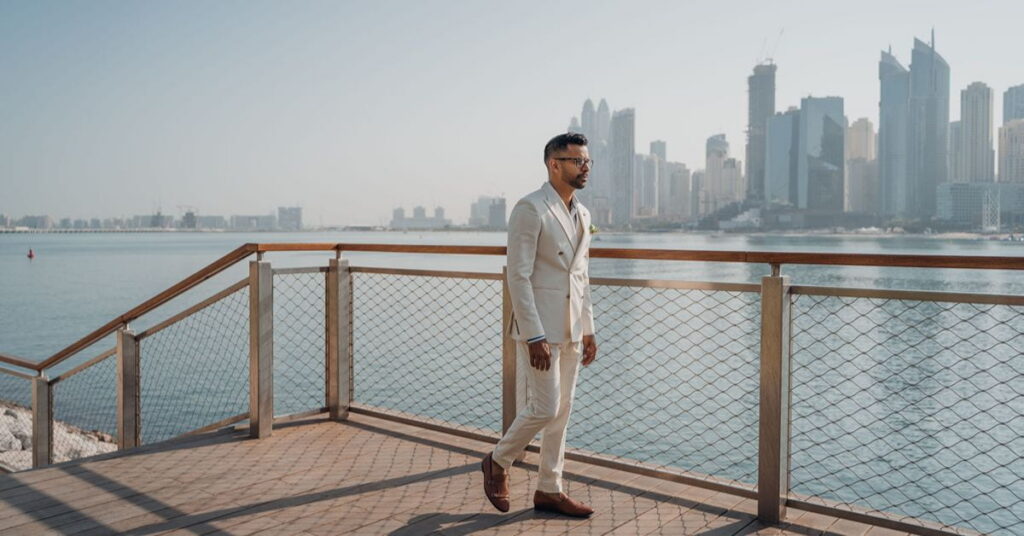
Tailoring in cream works perfectly for beach weddings, resort destinations, and summer parties.
It is not to be confused with the classic white dinner jacket, because it belongs to an entirely different line of formal wear. Wear cream tailoring with either white or pale blue shirts, or wear open-neck knit shirts with it.
18. Slate Blue: An Easy Step Beyond Navy

Slate blue sits between grey and blue, making it easier to wear than cobalt while offering more visual interest than stBeing somewhere between grey and blue, it is easier to wear than cobalt but more visually appealing than regular navy.
It looks great with:
- White
- Grey
- Lavender
- Brown
- Dark brown shoes
It is a good choice for those looking for the first alternative to navy.
How Do Complexion and Contrast Impact Suit Colour?
While complexion can be a useful factor in guiding your decision, it is important that it does not turn into a strict set of guidelines. A more useful guideline will be contrast.
In simple terms, you have the following situations:
Higher natural contrast: Navy, dark grey, midnight blue, or even darker colours may work well in creating balance.
Lower natural contrast: Grey, brown, olive, or soft blues may provide for better harmony.
Need more contrast next to your face: Wear a crisp white shirt.
Need less contrast next to your face: Ivory, pale blue, or some other soft shirts colour.
Remember, the shirt is closer to the face compared to the jacket, so it may have a great impact on the final appearance of the combination. More information regarding dress shirt colours and suit combinations can be found here.
Always examine fabric in more than one lighting conditions. Shop lighting will tend to make navy colour look close to black and will not show any green, red, or purple undertones.
Before committing to a colour:
- Look at the fabric or material indoors.
- See how it looks in daylight.
- Put the material next to the other shirts.
- Compare the colour with those of your shoes.
- Take a photograph to see what the colour looks like on camera.
Which Suit Colour Should You Choose for Each Occasion?
If you are deciding quickly, use the event as your starting point.
Suit colour choice for weddings is also dependent on the time of day and the location of the wedding ceremony. Dark colours look more formal in the evenings, but light shades like blue, grey, brown, and neutral colours suit daytime events.
The ideal suit colour for weddings also depends on the time of day and venue. Darker tones feel more formal in the evening, while lighter blues, greys, browns, and neutrals tend to suit outdoor and daytime celebrations.
For suit colours by season, this quick guide can help:
The season does not have to dictate your choice, but it can help a suit feel more natural in its surroundings.
Why Does Fit Equally Important as Colour?
Any colour will be rendered insignificant if there is pulling in the shoulders of the jacket, or if the sleeves come down to cover the hand, or if the trousers fall over the shoes.
While purchasing a suit, one should consider the following:
- Shoulders: The jacket has to have a proper fit in the shoulders.
- Chest: It must neither be pulled nor too loose in the chest area.
- Sleeves: The sleeves have to have the right length to allow the shirt cuff to show.
- Waist: There should be proper fitting in the waist region.
- Trouser: The trouser break should complement the suit without having any extra cloth hanging over the foot.
A suit in good fit in medium grey colour is always more considered than an ill-fitting suit in some bold colour.
Fabric also changes the personality of a shade.
When choosing a custom suit, compare the colour in the actual fabric whenever possible instead of relying only on a small screen image or printed sample.
A three-piece suit adds another styling consideration. If you are deciding whether the extra layer suits the occasion, see our guide to wearing a vest under a suit.
How Should You Build a Two- or Three-Suit Rotation?
Rather than buying colours that are appealing to you, construct your rotation such that each suit plays a separate role.
If You Have One Suit,
Start with:
- Dark Navy as it is the most versatile in terms of work, wedding, dinner, or other formal events.
If You Have Two Suits,
Add:
- Charcoal, if you have many conservative business and formal events.
- Medium grey, if you require more versatility in your day-time wear.
If You Have Three Suits,
Choose the third according to the weakness of your wardrobe:
- Medium grey for frequent day-time wear,
- Brown/Olive for a casual wardrobe,
- Midnight blue for evening events,
- Light grey/tan for warm weather events,
- Slate blue if you want another colour but not the bold one.
Don’t buy multiple similar dark blue suits just because your job requires consistency in the wardrobe.
Another way to see whether a colour looks good with your wardrobe is to use accessories, such as a burgundy knit tie, brown suede shoes, or an olive shirt.
If you travel regularly for work or events, consider how often each suit will need to be packed and reworn. Our guide to the best way to travel with a suit covers practical ways to reduce creasing and protect the garment in transit.
Conclusion
It is important to remember that the right suit colour should suit the events where you go, the shirts and shoes you own and the way your wardrobe should work. Here at Michael Tailors, we always advise going from more versatile colours to individual ones and evaluate each one in the context of its fabric, fit and the place where it will be worn. But what we advise you even more is to come to us, the best tailor in bangkok, and save yourself from dealing with the maze of styles.
Why Are We the Best Tailor in Bangkok?
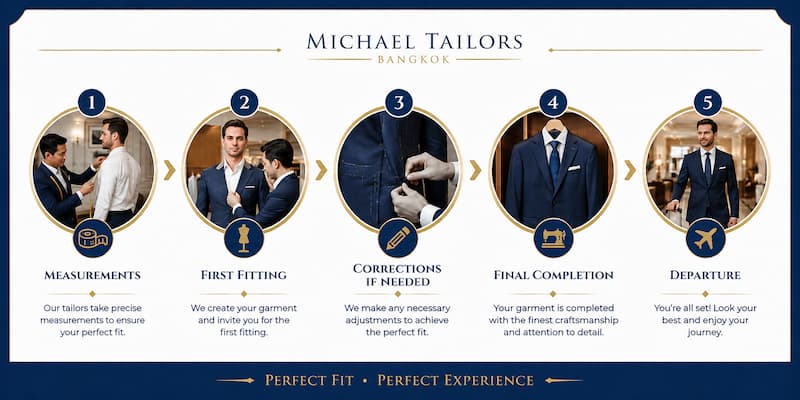
With more than 20 years of experience in tailoring, Michael Tailors is capable of offering suits tailored especially for you out of premium fabrics and using skilled labour to make sure everything fits perfectly. We will advise you on fabric and colour selection and help you make the process easy but not compromise the final results.
Frequently Asked Questions
What Is the Most Versatile Suit Colour?
Dark navy is usually the most versatile choice because it can work for business, interviews, weddings, dinners, and many formal or semi-formal occasions. It also coordinates easily with common shirt and shoe colours.
Which Suit Colours Work Best for Interviews and Weddings?
For interviews, dark navy and charcoal are dependable choices because they look restrained and professional.
For weddings, consider the setting:
- Formal or evening wedding: Navy, charcoal, or midnight blue
- Daytime wedding: Medium grey, blue, or brown
- Outdoor or summer wedding: Light grey, tan, stone, cream, or pale blue
Always use the invitation and dress code as the final guide.
Is Navy or Charcoal Better for a First Suit?
Navy generally offers more flexibility across both business and social occasions. Charcoal is an excellent alternative if your wardrobe is heavily focused on conservative professional settings or formal events.
How Does Skin Tone Affect Suit Colour?
Rather than following rigid skin-tone rules, think of the overall contrast between your complexion, hair, shirt, and suit. Darker shades can complement stronger natural contrast, while muted mid-tones may suit softer contrast. The shirt can then be used to increase or reduce contrast around the face.

More Articles
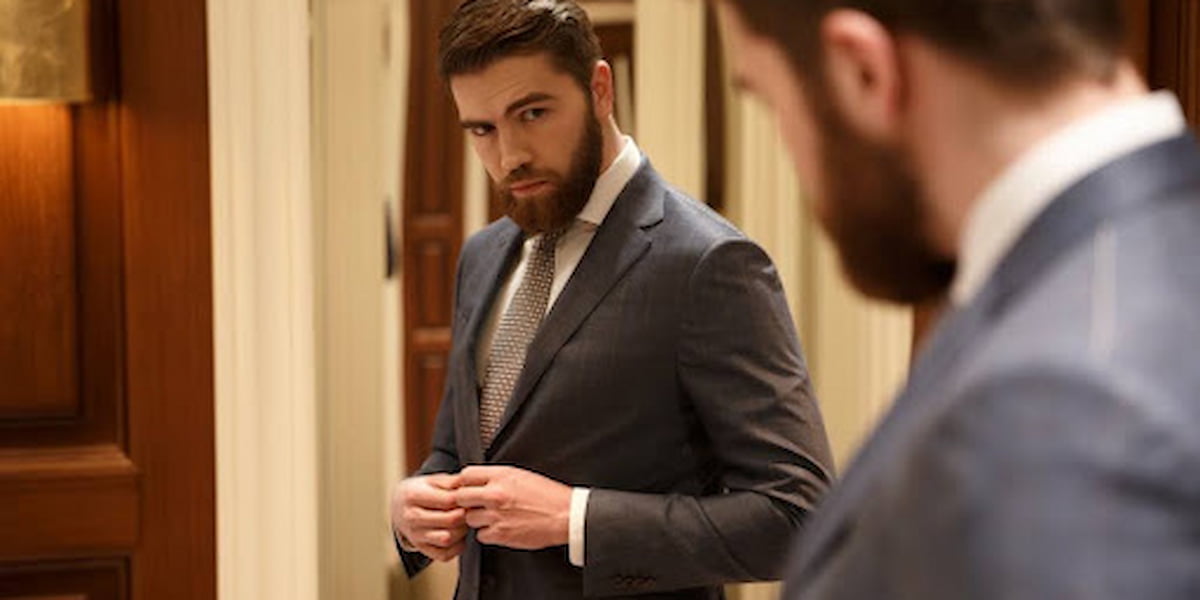
Getting a Suit Made in Bangkok on a Short Trip: Real Customer Stories
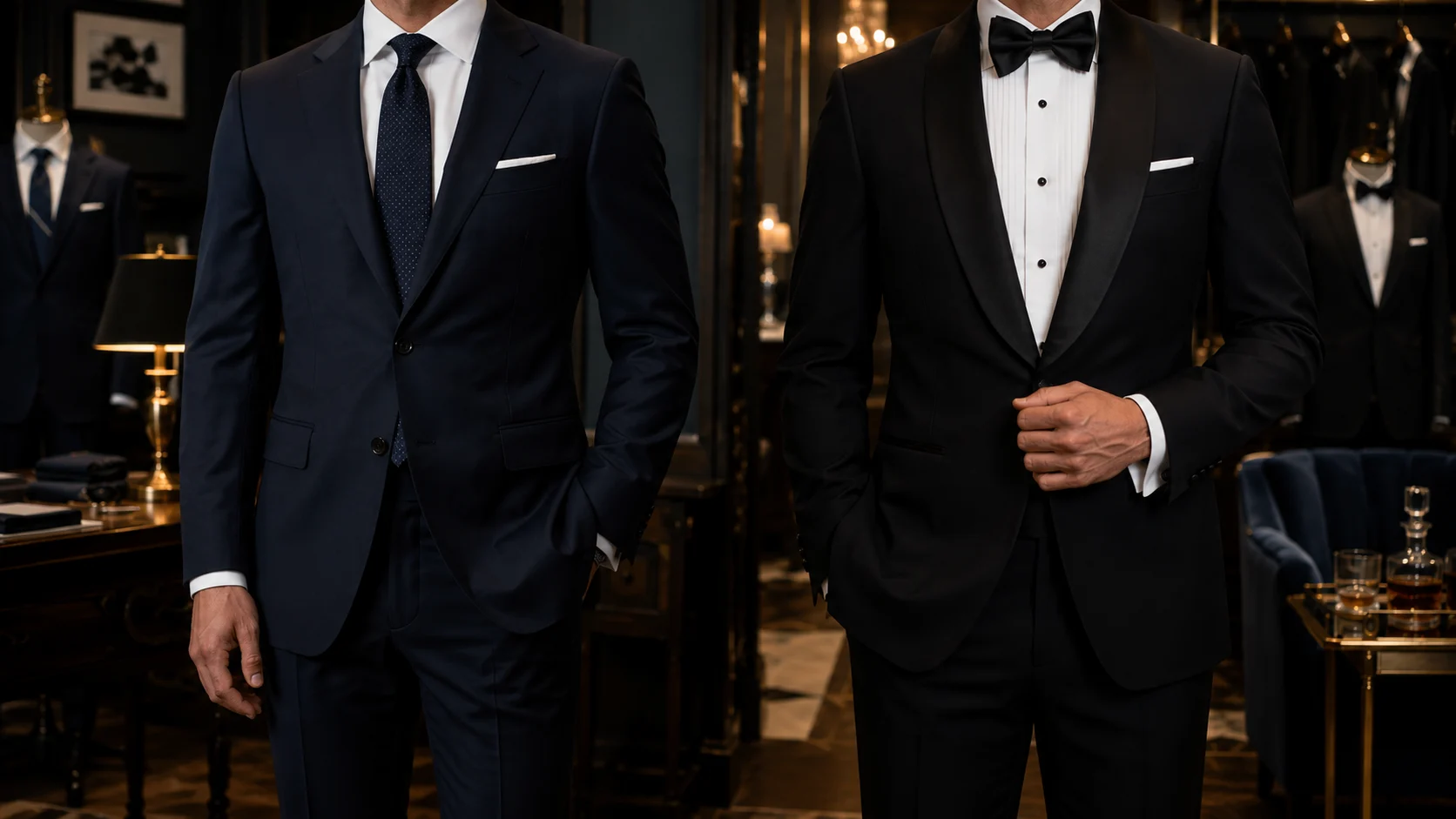
Suit vs Tuxedo: Key Differences and When to Wear Each One