

An appropriately selected blouse should always be stylish and comfortable. Depending on where you want to wear the blouse, whether under the blazer, tucked into the trousers, or as a single top, the appropriate one can be chosen from the available options. The way the shoulders fit, the amount of space at the bust line, the length of sleeves, and hemlines contribute to the style and comfort of the blouse.
The fabric is equally important since each type offers different styles and care routines. Knowing how fabrics influence the style and fit of a top enables you to choose women’s blouses for office use and other situations. For those seeking the best women’s tailor Bangkok, professional tailoring can also help achieve a more precise fit and a style that suits individual preferences.
How Should a Blouse Fit?
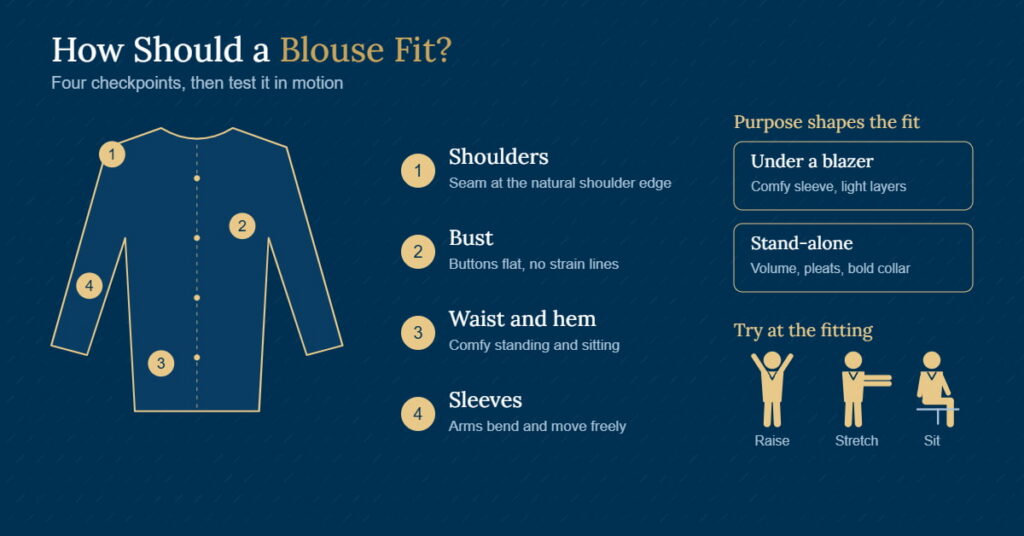
Shoulder seams of a blouse should be as close as possible to the natural edge of the shoulders on a set-in sleeve, unless there is a need for a dropped shoulder. Comfortable movement without pulling across the upper back area is necessary in case of the blouse as well.
At the bust, buttons should lie flat without any noticeable gaping at all; diagonal strain lines and gaped placket will tell you about extra room needed or some other design change. It depends on your garment.
Check the waist and hemline in both standing and sitting positions. A well-fitted blouse should follow body contours without feeling tight, The blouse should flow freely when it is loose enough. Sleeves should allow your arms to bend and move.
It is also important to consider the purpose of the blouse. If it’s intended to be worn under a blazer, it should have a comfortable sleeve and comfortable layering fabric. A stand-alone blouse can have more volume, pleats or an extravagant collar. At the fitting try raising your hands, stretching forward and sitting down.
Which Fabric Should You Choose for a Blouse?
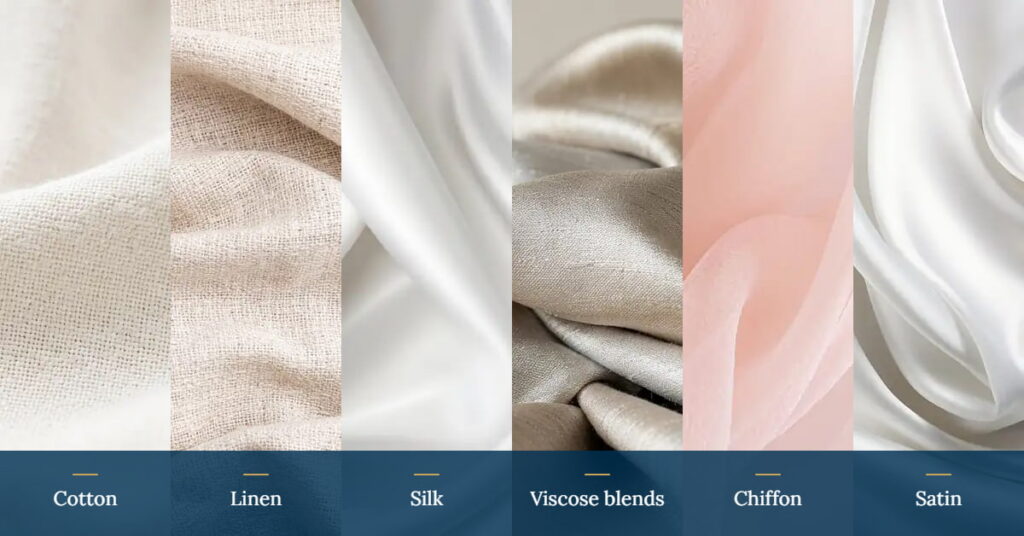
The type of fabric determines the drape, texture, comfort, and washing needs of a blouse. The choice of fabric depends on the desired design, the climate and how often the blouse will be worn.
- Cotton: Cotton poplin and other crisp weaves may be suitable for structured shirts and office wear. Soft cottons may achieve a casual effect depending on their finish and drapery.
- Linen: Linen has a naturally textured effect and is usually used in warm weather clothing. It creases easily, hence appropriate for designs that have a relaxed appearance as part of the design.
- Silk: The silky material has properties that provide a smooth touch and good draping abilities, which means it is a perfect choice for elegant blouses featuring soft folds, flowy sleeves, and flattering silhouettes. The lightweight texture would make the material a good choice for eveningwear and formal occasions, but the delicate nature of silk needs to be handled with care.
- Viscose blends: have a soft texture and fluid drape, making them suitable for casual blouses, gathers and flowy silhouettes. The fabrics would provide an elegant look without being too stiff, and could be used both for workwear and regular daily wear.
- Chiffon: The lightweight fabric creates a delicate, airy effect and is suitable for blouses featuring layered pieces, ruffled details, and flowy sleeves. The airy and light nature of chiffon makes it a great option for dressy blouses that could be worn to special occasions.
- Satin: Satin is characterised by a smooth surface and a subtle to highly shiny look, depending on the construction and treatment of the material. The smooth appearance would make the material a great choice for elegant blouses with draped necklines and soft folds. Varying options in its weight and drape is provided by variations in fibre and fabric construction.
For Bangkok’s tropical climate, lightweight material may be worth considering, especially if it is for a blouse that will be worn all day long. But the issue of comfort is not simply about the weight of the fabric. The fibre used, weave, fit, and breathability can also play an important part in determining comfort level.
If the blouse will be worn underneath a structured jacket, then its ability to layer well on the shoulders and sleeves should be kept in mind. If it will be used in an evening dress, then the way it drapes and finishes can be more important. Checking the fibre composition and care instructions helps avoid choosing a fabric that is difficult to maintain.
Which Blouse Style Works Best for Different Occasions?
Different blouse styles suit different settings, outfits, and levels of formality. Consider the occasion, the fabric, and how the blouse will work with the rest of the outfit.
| Occasion | Recommended blouse styles | Styling tips |
|---|---|---|
| Work | Collared blouses, simple V-necks, or subtle bow details | Pair with tailored trousers, a skirt, or a suit for a polished look. |
| Casual wear | Relaxed blouses, textured fabrics, or simple prints | Wear with jeans or skirts. Longer styles can be worn untucked, depending on their cut. |
| Evening events | Flowing blouses, satin styles, or designs with distinctive necklines | Keep accessories simple when the blouse has a bold finish or detailed design. |
| Formal occasions | Structured blouses or elegant designs with pleats or refined details | Choose a style that complements the outfit and layers comfortably beneath a blazer or jacket. |
The fabric and cut also affect how a blouse looks when worn. A structured design can create a sharper silhouette, while a softer fabric offers more fluid movement. When wearing a blazer, check that the blouse sits neatly underneath without restricting movement.
What Should You Check When Buying a Blouse?
A few simple checks can help identify a blouse that fits comfortably and is well constructed.
- Shoulder seams: Check that they sit appropriately for the design and do not restrict movement.
- Bust and buttons: Look for gaping, pulling, or strain around the front closure.
- Stitching and hems: Check for loose threads, uneven stitching, and unfinished edges.
- Sleeves and armholes: Move the arms naturally to identify tightness or pulling.
- Overall proportions: Try the blouse with the trousers, skirt, or jacket it will be worn with.
- Care requirements: Read the care label and consider whether the fabric suits the available cleaning routine.
A high price alone does not guarantee quality. Fit, construction, fabric suitability, and care requirements are more useful factors when comparing options.
When Is Custom Blouse Tailoring Worth Considering?
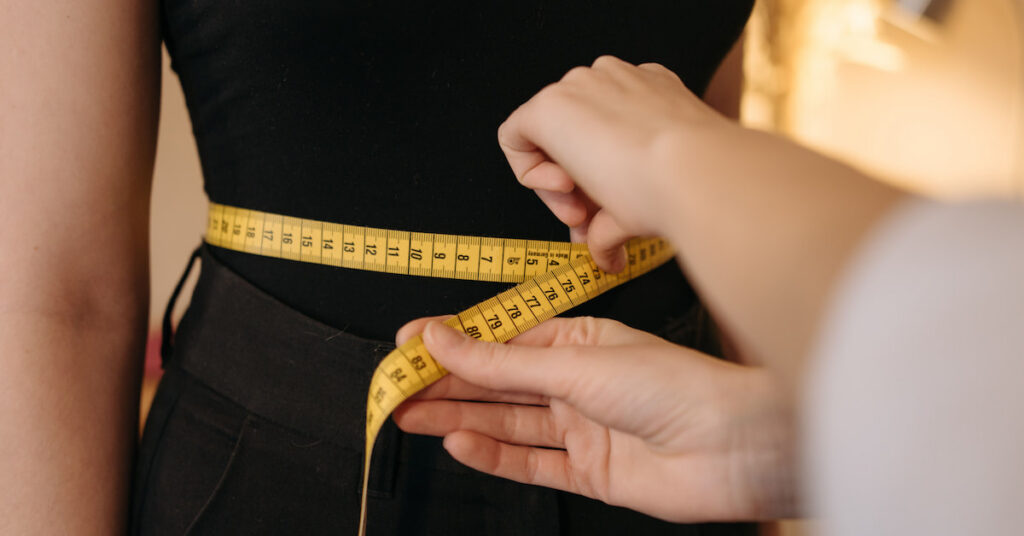
Custom tailoring can be useful when standard sizes do not provide a comfortable fit or when a particular neckline, sleeve length, or silhouette is preferred. It can also help address differences in fit between the shoulders, bust, waist, and hem.
During a consultation, reference photos can help communicate the intended style. It is also useful to explain where a closer fit is preferred and where additional room is needed. Fabric samples can help compare texture, weight, and drape before a design is finalised.
Not every fit problem requires a completely new garment. Some ready-to-wear blouses can be altered, depending on their construction and available seam allowance. A tailor can assess whether an adjustment is practical or whether a different cut would be a better solution.
For more information about the fitting process and available options, check out our blog on women’s tailoring in Bangkok.
Our women’s blouse collection includes different styles for work and everyday wear. For a custom design, contact our team to discuss fabric options, preferred details, and fitting arrangements.
Conclusion
At Michael Tailors, we understand that choosing a blouse involves balancing fit, fabric, comfort, and personal style. We help clients explore clothing options suited to different occasions and fit preferences. For those seeking the best women’s tailor Bangkok, we welcome enquiries about women’s tailoring and custom blouse options.
Frequently Asked Questions
What is the best fabric for a blouse in hot weather?
Lightweight cotton and linen are common choices in summer clothing. However, comfort is determined by more than just the fabric choice – the weave and fit of the blouse play a part too.
How do I know that my blouse is too tight?
A few things to look out for would be button gaps in the chest area, tension lines going diagonally across the fabric, limited arm mobility, and a pull through the back of the blouse.
Is it possible to make alterations to a ready-to-wear blouse?
It is possible to make adjustments to some blouses in terms of sleeve length, waist size, and hemline, provided the blouse construction and available seam allowance allow for the alteration.

More Articles
Getting a Suit Made in Bangkok on a Short Trip: Real Customer Stories
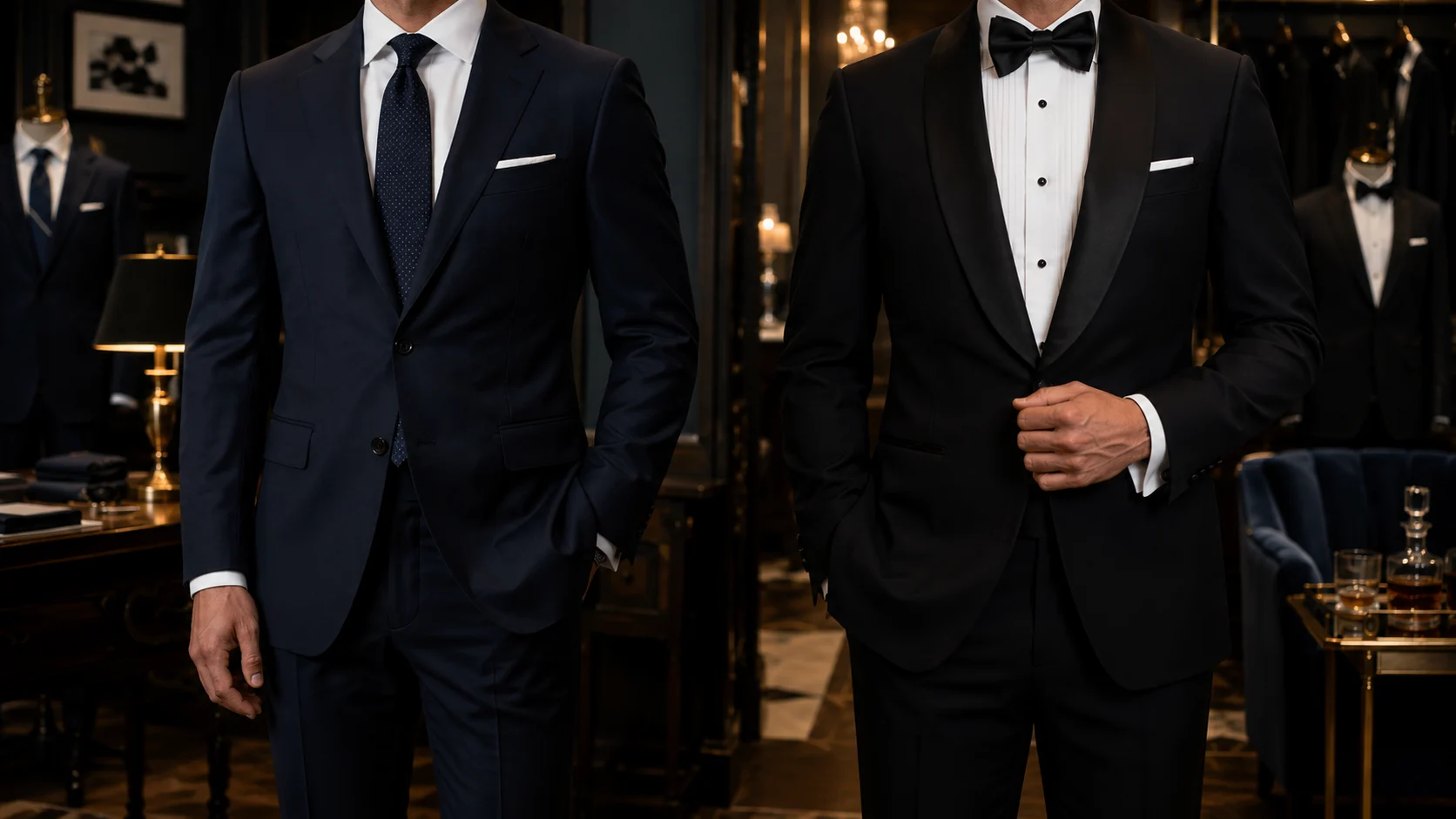
Suit vs Tuxedo: Key Differences and When to Wear Each One