
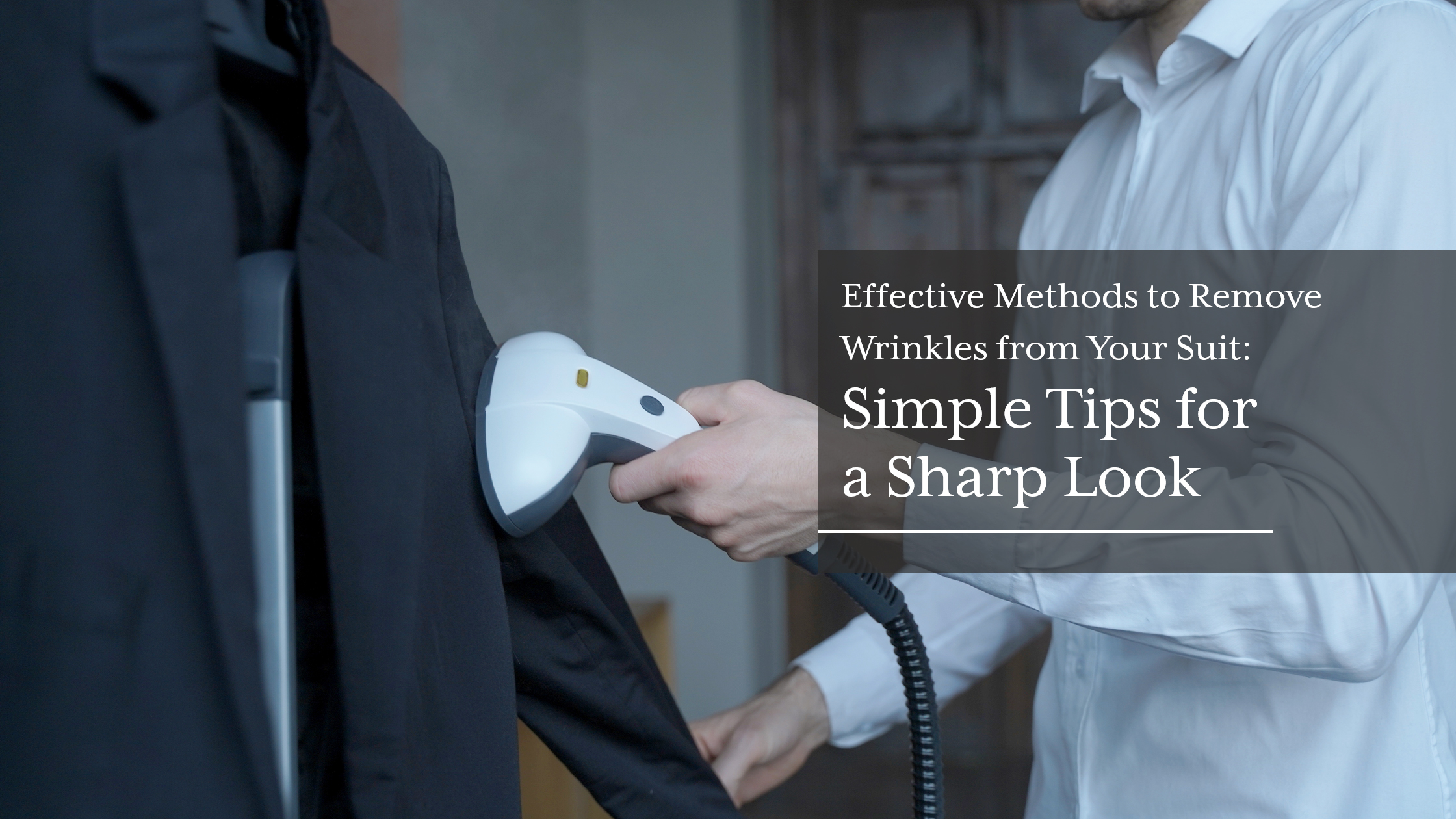
Nobody wants to step out in a wrinkled suit, right? Whether it’s for a big meeting, a wedding, or just looking sharp, wrinkles can ruin the polished look you’re going for. But don’t worry, getting rid of them isn’t as complicated as it might seem. From quick fixes to more thorough methods, there are plenty of ways to restore your suit to its crisp, clean state and maintain the sharp appearance you would expect from a well-made suit by a Bangkok suit tailor.
In this guide, you’ll discover practical techniques to remove those creases without damaging your suit. We’ll cover everything from steaming and pressing to clever tricks for when you’re short on time or tools. You’ll also learn when it is better to let the fabric recover naturally, how different suit fabrics respond to wrinkle removal, and when professional help may be the safer choice.
Why Is It Important to Keep a Suit Wrinkle-Free?
Suits represent professionalism and sophistication. A wrinkle-free suit enhances your appearance, whether you are heading to a business meeting, a formal dinner, or an event in Bangkok’s bustling central districts. Creases disrupt the smooth lines of your tailoring and can make even a high-quality suit appear neglected.
Moreover, leaving wrinkles unattended can shorten your suit’s lifespan. Fabric stress from prolonged creasing can weaken the material and affect the way the garment holds its structure. Consistent maintenance preserves both your style and your investment in a well-tailored outfit.
That does not mean you need to reach for a steamer or iron after every wear. Some fabrics, particularly wool, have enough natural elasticity to recover from lighter creases when given enough time to rest.
What Commonly Causes a Suit to Wrinkle?
Several everyday situations can leave a suit looking less sharp than when you first put it on:
- Improper storage: Folding or cramming your suit into small spaces can cause lasting creases.
- Travel: Bangkok’s frequent travellers often struggle with suitcase wrinkles, especially when visiting multiple destinations.
- Daily wear: Sitting for long periods or carrying heavy items in your pockets puts stress on the fabric, leading to compression marks.
- Moisture: Thailand’s humid climate can make fabrics more prone to wrinkling if they are stored without proper ventilation.
- Unsuitable hangers: Thin hangers may not properly support the shoulders of a structured jacket and can affect its shape over time.
Understanding what caused the wrinkle can also help you decide how much treatment the suit actually needs.
How Do You Remove Wrinkles From a Suit Step by Step?
Step 1: Hang the Suit Properly
Before applying steam or heat, give the suit a chance to recover naturally.
Use a sturdy hanger to keep its shape. Choose a broad-shouldered wooden or padded hanger. These help distribute the suit’s weight evenly, avoiding additional creases and keeping its form intact. Thin wire hangers are best avoided, particularly for suit jackets with more structure through the shoulders.
Hang it in a ventilated area. Pick a cool, dry, and well-ventilated spot to prevent moisture build-up. Avoid cramped wardrobes, as tight spaces can force the fabric to crease again.
When possible, let the suit rest for around 24 hours before applying additional treatment. Natural wool fibres have elasticity, so many light wrinkles and creases can relax on their own once the fabric is no longer under pressure.
Smooth out minor wrinkles with your hands. Glide your hands gently over the fabric to flatten lighter creases. Pay extra attention to the sleeves, lapels, and trouser folds, where wrinkles tend to stick.
Be gentle around the chest, shoulders, and lapels. These parts of a tailored jacket contain more structure than the sleeves or trouser legs, so the aim is to help the fabric settle rather than flatten the shape of the jacket.
Step 2: Steam the Suit
If wrinkles remain after hanging, steaming is often the next method to try.
Option 1: Use a garment steamer and hold it 6 inches away. A garment steamer is often the safest choice for delicate fabrics like wool.
Hold the steamer wand 6 inches away from the garment to protect the fibres and slowly glide it downwards. Don’t rush. Smooth, even strokes usually give the best results.
Work gradually across areas such as the sleeves, back, lower front panels, vents, and trouser legs. Avoid holding the steamer over the same spot for too long.
Once you are finished, leave the suit hanging until the fabric is completely dry before wearing or storing it.
Option 2: Hang it in the bathroom while taking a hot shower. If you don’t have a steamer, bathroom steam can help loosen lighter wrinkles.
Keep the suit away from direct water spray and allow the room to fill with steam. This method is slower than using a garment steamer, but it can be particularly useful while travelling or staying in a hotel without access to one.
Afterwards, move the suit into a ventilated space and allow it to dry fully.
Step 3: Use an Iron Carefully
Some stubborn wrinkles, particularly on trousers and flatter areas of a suit, may need more controlled pressing.
Set the iron to low heat. Check the suit’s care label for the ideal temperature. For fabrics like wool, use a low or medium heat setting to avoid burn marks, unwanted shine, or fibre damage.
Place a damp cloth over the suit. Always cover the fabric with a pressing cloth or a clean, slightly damp towel to act as a barrier. This prevents direct heat from damaging the material and reduces the chance of leaving shiny spots, particularly on darker wool.
Press lightly rather than dragging the iron. Press gently on the affected area, lift the iron, and then move to the next section.
This works especially well on trouser creases, trouser legs, jacket arms, and other flatter areas with stubborn wrinkles.
Step 4: Spray for Quick Fixes
Wrinkle-release spray can be useful when you need a quick solution and do not have enough time for a full steaming or pressing session.
Apply a light mist. Use only enough wrinkle-release liquid to lightly dampen the affected area. Many sprays work quickly and can provide a convenient solution for minor creases.
Always check that the product is suitable for your suit fabric and avoid saturating the material.
Smooth the fabric gently with your hands. Focus on visible sections such as the lapels, front panels, sleeves, and trousers. There is no need to pull or stretch the fabric aggressively.
Let it dry before wearing. Make sure the suit air-dries completely. Slight dampness can worsen wrinkles or create awkward stretches in the material, especially once you begin sitting or moving around.
Step 5: Let Body Heat Help With Very Light Wrinkles
The body’s natural heat can soften fabric and help very minor wrinkles settle once the suit is being worn.
Wearing the suit for a short time may allow lighter creases to relax further as the material warms and adjusts to your body.
Walk, sit, and move naturally rather than deliberately stretching the suit. Normal movement can help the fabric settle into place and conform to your body’s shape.
Body heat should be treated as a finishing effect for minor wrinkles rather than a replacement for hanging, steaming, or pressing when deeper creases are present.
Is It Better to Steam or Iron a Suit?
Both steaming and ironing can remove wrinkles, but they serve slightly different purposes.
For most wool suits, steaming is a good first option because it relaxes the fibres without pressing a hot surface directly against them. It works particularly well for general wrinkles across jackets, sleeves, and trousers.
Ironing is more useful when you need a sharper finish or need to remove a deeper, flatter crease. Suit trousers, for example, may benefit from careful pressing when the crease needs to be restored.
| Situation | Recommended Method |
|---|---|
| Light wrinkles after wearing | Hang and let the suit rest |
| General wrinkles on a wool jacket | Garment steamer |
| Wrinkles after travelling | Hang first, then steam |
| Deep trouser wrinkles | Careful pressing |
| Sharp trouser crease | Controlled pressing |
| No steamer available | Bathroom steam |
| Deep wrinkles affecting jacket shape | Professional pressing |
The simplest approach is to start with the gentlest method and move to stronger treatment only if the wrinkle remains.
Does Wrinkle Removal Change Depending on the Suit Fabric?
Yes. Wool, linen, cotton, and synthetic blends do not react to heat and moisture in exactly the same way. The safest wrinkle-removal method depends partly on what your suit is made from.
1. Wool Suits
Wool has natural elasticity, which allows many lighter wrinkles to relax after the garment has been properly hung and rested.
If wrinkles remain, use a garment steamer from around 6 inches away and avoid excessive heat or heavy pressure.
You can learn more about the characteristics of wool, cotton, linen, and other materials in Michael Tailors’ guide to suit fabrics.
2. Linen Suits
Linen wrinkles much more easily than wool, and some creasing is a normal part of the fabric’s appearance.
Steam can help reduce deeper wrinkles, although you should not expect a linen suit to stay completely crease-free throughout a full day of wear.
3. Cotton Suits
Cotton can generally handle controlled pressing better than wool, but you should still check the care label before choosing a temperature.
A pressing cloth is also useful on darker cotton fabrics to reduce the risk of visible marks.
4. Wool Blends and Synthetic Fabrics
Wool blends can behave differently depending on the other fibres used in the fabric.
Synthetic materials may be more sensitive to excessive heat, so use lower temperatures and avoid direct high heat unless the care label confirms that it is suitable.
How Should You Remove Wrinkles From Suit Trousers?
Suit trousers can usually be treated more directly than a structured jacket.
Start by hanging the trousers properly and allowing lighter wrinkles to relax on their own. If wrinkles remain, move the steamer down each trouser leg while keeping it around 6 inches from the fabric.
For deeper wrinkles, use a pressing cloth and controlled pressure from an iron.
Pay particular attention to the trouser crease. If the trousers already have a defined crease, line it up carefully before pressing. Otherwise, you may accidentally create a second crease alongside the original one.
Allow the trousers to cool and dry while hanging before wearing them.
How Can You Remove Suit Wrinkles While Travelling?
Travel is one of the most common reasons suits develop wrinkles, especially when a jacket and trousers have spent several hours compressed inside luggage.
When you arrive at your hotel or destination, remove the suit from the suitcase as soon as possible. Hang the jacket and trousers separately and give them several hours, or ideally overnight, to recover.
For lighter wrinkles, bathroom steam may be enough. If your hotel provides a garment steamer, hold it around 6 inches from the fabric and work gradually over the creased areas.
For future journeys, use a garment bag whenever possible. If you need to put the suit inside a suitcase, carefully folding or rolling it can reduce hard creases. Hang it immediately after arrival.
For more detail on packing jackets and trousers, see Michael Tailors’ guide to the best way to travel with a suit.
What Mistakes Should You Avoid When Removing Suit Wrinkles?
Applying more heat or steam is not always better. Incorrect wrinkle removal can damage the fabric or change the way a tailored jacket holds its shape.
Avoid:
- using maximum heat without checking the care label
- ironing wool directly without a pressing cloth
- dragging an iron aggressively across the fabric
- holding a steamer in one place for too long
- soaking the suit with water or wrinkle-release spray
- storing or wearing the suit while it is still damp
- repeatedly treating a light wrinkle that would disappear naturally with rest
- putting too much pressure on structured parts of the jacket
The chest, shoulders, and lapels deserve particular attention because a suit jacket is designed to have shape. Michael Tailors’ suit anatomy guide explains how elements such as the shoulders, lapels, sleeves, and jacket front contribute to the overall structure of the garment.
How Can You Prevent Your Suit From Wrinkling?
A few simple habits can reduce how often your suit needs steaming or pressing.
- Choose wrinkle-resistant fabrics: High-twist wool or wool-blend fabrics resist creasing and are practical choices for Bangkok’s humid climate.
- Store correctly: Always use wide, padded or supportive hangers and breathable garment bags. Avoid plastic covers that trap moisture.
- Steam when needed: Light steaming can refresh the suit, but give the fabric time to recover naturally before automatically steaming after every wear.
- Travel smart: Use garment bags or roll the suit carefully when packing. Hang it immediately upon arrival to release minor creases.
- Mind your posture: Avoid sitting in one position for too long when possible, as prolonged pressure can create deeper creases.
It also helps to avoid overfilling jacket and trouser pockets, since heavy items can place additional pressure on the fabric.
For broader advice on storage, cleaning, ironing, and day-to-day maintenance, Michael Tailors also covers these topics in its guide to caring for tailored clothing.
When Should You Seek Professional Help?
Sometimes, home remedies are not enough. Deep-set wrinkles, heat marks, or a loss of structure may require expert attention.
Deep or Stubborn Wrinkles
Heavy fabrics such as wool or linen may need expert steaming and pressing when wrinkles remain after normal home treatment.
Repeatedly applying more heat at home can sometimes make the problem worse, especially around structured areas of a jacket.
Heat or Water Damage
If DIY ironing leaves burn marks, shiny patches, or water damage, it is best to bring your suit to an expert.
Professionals use industrial steamers and specialised pressing techniques to help restore the garment’s original texture and finish.
Loss of Shape
Over time, suits can lose their form due to frequent wear or improper storage.
Professionals can help realign the suit through re-pressing, reshaping, and minor adjustments, helping it fit as sharply as when it was first made.
Wrinkles Around the Chest, Shoulders, or Lapels
These areas require more care because they contribute to the shape of the jacket.
If the chest, shoulders, or lapels have become heavily wrinkled or distorted, repeated home ironing may flatten areas that are supposed to have structure.
Professional pressing is often the safer option when the problem affects the shape of the jacket rather than simply the surface of the fabric.
Why Should You Choose Michael Tailors?
Michael Tailors is one of the best tailors in Bangkok, recognised as an established bespoke tailoring house known for its precision craftsmanship, fabric expertise, and exceptional aftercare service.
Whether you are having a suit custom made or need expert care for an existing one, this Bangkok tailor can help ensure your attire remains in excellent condition.
Located conveniently in the heart of Bangkok, the team provides professional suit pressing, repairs, alterations, and full tailoring services designed to keep you looking your best in Thailand’s tropical climate.
Having your suit professionally assessed is especially worthwhile when a crease affects the jacket’s structure or when previous heat, water, or incorrect storage has altered the fabric.
Frequently Asked Questions About Removing Suit Wrinkles
Can you steam a wool suit?
Yes. A garment steamer is suitable for many wool suits when used carefully. Keep the steamer around 6 inches from the fabric, move it continuously, and allow the suit to dry completely afterwards.
How long should you hang a wrinkled suit before steaming it?
If you have time, leave the suit hanging in a ventilated area for around 24 hours first. Light wrinkles, particularly in wool, may relax naturally without additional treatment.
Can you iron a suit jacket?
You can carefully press certain areas of a suit jacket, but direct or aggressive ironing should be avoided. Check the care label, use the appropriate temperature, and place a pressing cloth between the iron and the fabric.
Can you remove suit wrinkles in a hotel without a steamer?
Yes. Hanging the suit in a bathroom while taking a hot shower can help loosen lighter wrinkles. Keep the suit away from direct water and leave it to dry afterwards.
Why is my suit still wrinkled after steaming?
A deeper crease may need more time, careful pressing, or professional treatment. Wrinkles around the chest, shoulders, and lapels can also involve the jacket’s structure rather than just the surface fabric.
Should you steam a suit after every wear?
Not necessarily. Hang the suit properly first and give the fabric time to recover. Steam it when wrinkles remain rather than automatically steaming after every use.
How Can You Keep Your Suit Looking Sharp?
Keeping your suit wrinkle-free is essential for maintaining a confident and professional look. Combining proper hanging, controlled steaming, careful pressing, and routine care can also help extend the life of your suit.
Start with the gentlest solution. Hang the suit properly and give the fabric time to recover naturally. If wrinkles remain, use a garment steamer from around 6 inches away. Deeper creases may require careful pressing with a pressing cloth, while wrinkle-release sprays provide a useful quick fix when you are short on time.
Body heat and natural movement can also help very light wrinkles settle once the suit is being worn, but they should not replace proper treatment for deeper creases.
The best wrinkle-removal method ultimately depends on the fabric, the severity and location of the wrinkle, and the structure of the garment. When home methods are not enough, professional pressing can help restore both the appearance and shape of the suit.
A well-maintained suit not only reflects good taste, but also preserves the craftsmanship that went into creating it.

More Articles
Getting a Suit Made in Bangkok on a Short Trip: Real Customer Stories

Suit vs Tuxedo: Key Differences and When to Wear Each One