
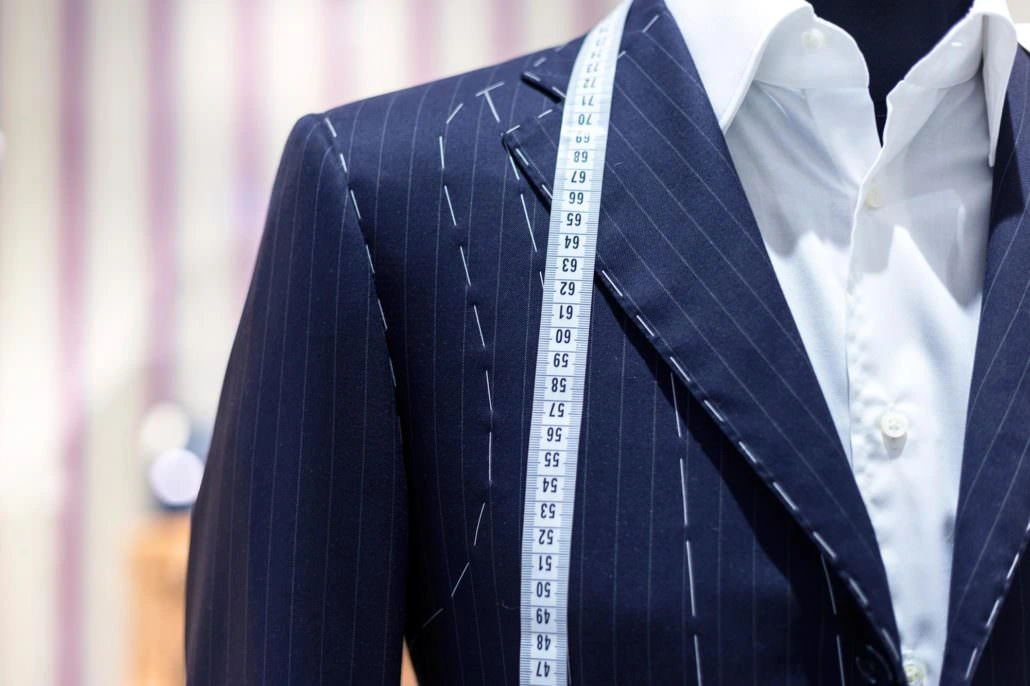
A bespoke suit is one of the most refined forms of men’s tailoring. Unlike a ready-made suit that is simply adjusted, it is created from the beginning for one person, using their measurements, posture, proportions, fabric preferences, lifestyle, and personal style.
Many men wear suits for business, weddings, formal events, travel, or important occasions, but not every suit offers the same level of fit and comfort. A ready-made suit is built for a general body type, while a bespoke suit is designed around the individual.
That is why bespoke tailoring is considered a premium choice. This guide explains what a bespoke suit is, how the process works, and why it offers better fit, personal style, and long-term value.
What Is a Bespoke Suit?
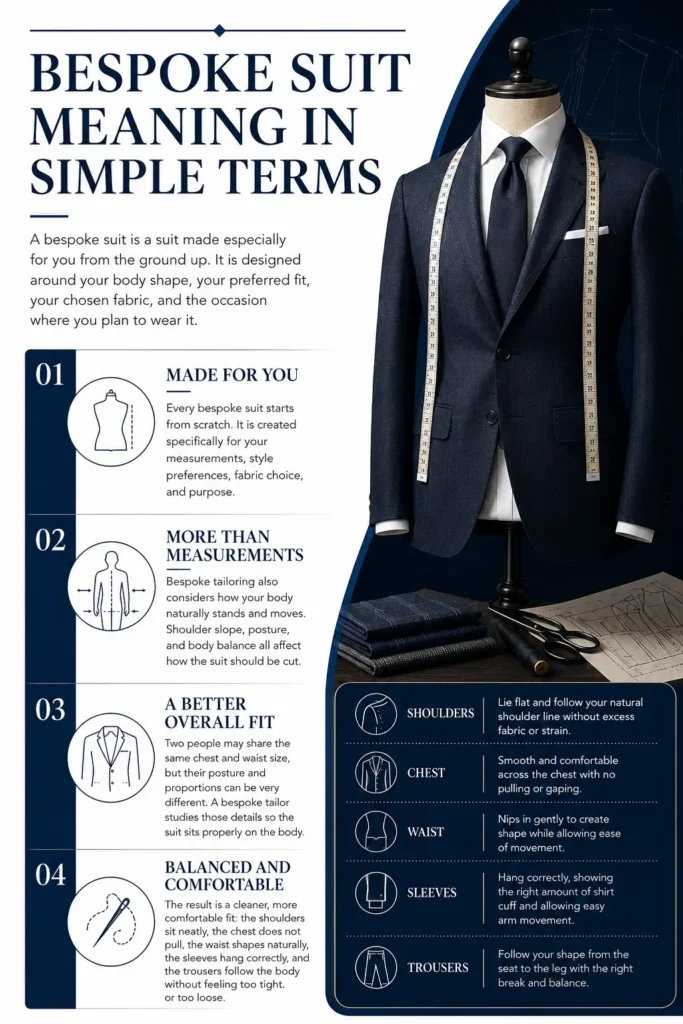
A bespoke suit is a custom-made suit created specifically for one person. Unlike off-the-rack suits that are produced in standard sizes, a bespoke suit begins with a personal consultation and a unique pattern drafted for the wearer’s body.
The word “bespoke” traditionally refers to something that has been “spoken for.” In tailoring, it means the fabric, design, measurements, and construction are reserved and created for one individual. This makes bespoke tailoring different from simply buying a suit and making alterations afterward.
A true bespoke suit usually includes:
- A consultation with the tailor
- Detailed body measurements
- Body posture and proportion assessment
- Fabric selection
- A unique paper or digital pattern
- Hand-cut garment pieces
- Multiple fittings
- Detailed adjustments
- Custom finishing
- Personalized design elements
The main idea behind bespoke tailoring is simple: the suit should be made for the person, not the person forced to fit into the suit.
Bespoke Suit vs Made-to-Measure vs Off-the-Rack
Many people use the terms bespoke, custom, and made-to-measure interchangeably, but they are not exactly the same. Understanding the differences can help you choose the right type of suit for your needs.
Off-the-Rack Suit
An off-the-rack suit is a ready-made suit produced in standard sizes. It is the most accessible option and can be bought quickly. However, it is designed for general body shapes, not for your exact body.
Alterations can improve the fit, but there are limits. For example, a tailor may shorten sleeves, adjust the waist, or hem trousers, but they cannot completely change the foundation of the jacket. If the shoulder structure, chest shape, or jacket balance is wrong, alterations may not fully solve the problem.
Made-to-Measure Suit
A made-to-measure suit offers more personalization than an off-the-rack suit. It usually begins with an existing base pattern that is adjusted according to your measurements. You may also be able to choose fabric, lining, lapel style, buttons, and other details.
Made-to-measure can be a good choice for men who want a better fit than standard sizing but do not need the full process of bespoke tailoring. However, because it still starts from an existing pattern, it may not fully account for complex posture, body asymmetry, or highly specific fit preferences.
Bespoke Suit
A bespoke suit is the most personal option. It is created from scratch using a pattern made specifically for you. The tailoring process usually includes more fittings and more detailed adjustments, allowing the tailor to refine the garment before it is finished.
This makes bespoke tailoring especially useful for men who want a suit that fits with precision, feels comfortable during movement, and reflects their personal style.
How Does Bespoke Tailoring Work?
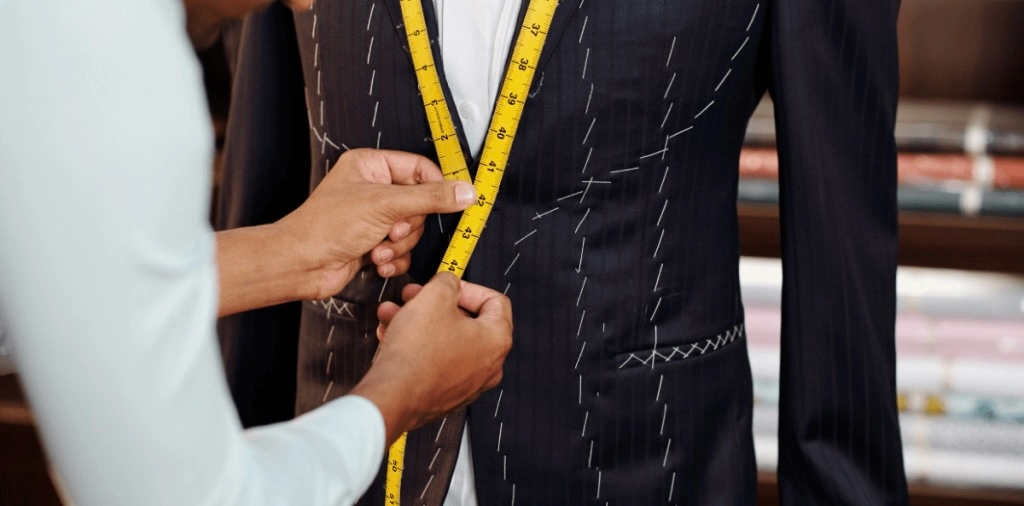
The bespoke tailoring process is detailed and carefully structured. While the exact process may vary depending on the tailor, most bespoke suits follow several important stages.
1. Initial Consultation
The first step is the consultation. This is where the tailor learns about your needs, lifestyle, style preferences, and the purpose of the suit.
A suit for a wedding may require a different fabric, color, and silhouette than a suit for daily business wear. A suit for warm weather may need lighter fabric and softer construction. A formal evening suit may need a darker color, sharper structure, and more elegant details.
During the consultation, the tailor may ask questions such as:
- What occasion is the suit for?
- Will the suit be worn often or only for special events?
- Do you prefer a classic or modern fit?
- Do you want a structured or softer jacket?
- What colors do you usually wear?
- Do you travel often?
- Do you need the suit for warm weather?
- Do you prefer lightweight or heavier fabric?
- Are there any fit problems you usually experience with ready-made suits?
This conversation helps the tailor understand not only your size but also your expectations.
2. Body Measurements and Posture Assessment
After the consultation, the tailor takes detailed body measurements. These measurements usually include the chest, waist, hips, shoulders, sleeve length, jacket length, trouser length, thigh, knee, and other important points.
However, bespoke tailoring does not stop at measurements. A skilled tailor also looks at body posture and balance. This includes details such as:
- Whether one shoulder is lower than the other
- Whether the back is straight, rounded, or arched
- Whether the arms naturally fall forward or backward
- Whether the body leans slightly to one side
- Whether the chest is prominent or flat
- Whether the waist and hips require special shaping
- Whether trousers need a specific rise or balance
These details matter because a suit should follow the natural structure of the body. Without this level of observation, even a suit with correct measurements may still feel uncomfortable or look uneven.
3. Fabric Selection
Fabric is one of the most important parts of a bespoke suit. It affects the look, comfort, durability, breathability, drape, and formality of the garment.
Common fabric choices for bespoke suits include:
- Wool
- Tropical wool
- Linen
- Cotton
- Cashmere blends
- Silk blends
- Wool and mohair blends
- Lightweight wool blends
Wool
Wool is one of the most popular choices for bespoke suits because it is versatile, breathable, and suitable for many occasions. It can be used for business suits, wedding suits, and formalwear.
Tropical Wool
Tropical wool is lighter and more breathable, making it suitable for warmer climates. It is a practical option for men who want a professional suit that remains comfortable in hot weather.
Linen
Linen is lightweight and breathable. It is often chosen for summer suits, beach weddings, destination events, and relaxed tailoring. It wrinkles more easily than wool, but that is part of its natural character.
Cotton
Cotton suits have a more casual appearance. They are suitable for smart-casual events, daytime occasions, and relaxed business settings.
Wool Blends
Wool blends can add softness, shine, texture, or durability depending on the fibers used. For example, wool and silk blends can create a smoother appearance, while wool and mohair blends can offer a crisp finish.
The right fabric depends on the occasion, climate, budget, and personal preference.
4. Choosing the Suit Style
Once the fabric is selected, the tailor helps define the style of the suit. This is where bespoke tailoring becomes highly personal.
You can choose details such as:
- Single-breasted or double-breasted jacket
- Two-button or three-button front
- Notch lapel, peak lapel, or shawl lapel
- Slim fit, classic fit, or relaxed fit
- Soft shoulder or structured shoulder
- Side vents, center vent, or no vent
- Flap pockets, jetted pockets, or patch pockets
- Full lining, half lining, or unlined jacket
- Flat-front trousers or pleated trousers
- Belt loops, side adjusters, or suspender buttons
- Plain hem or trouser cuffs
Every detail changes the personality of the suit. A navy single-breasted suit with notch lapels feels classic and versatile. A charcoal suit with a structured shoulder feels more business-focused. A double-breasted suit with peak lapels feels more formal and confident. A linen suit with patch pockets feels relaxed and suitable for warmer settings.
5. Pattern Drafting
Pattern drafting is one of the key differences between bespoke tailoring and other suit options. In bespoke tailoring, the tailor creates a unique pattern for the client.
This pattern acts as the blueprint for the suit. It determines how the fabric will be cut and how the suit will sit on the body. The pattern includes the jacket front, back, sleeves, collar, trousers, waistband, and other garment pieces.
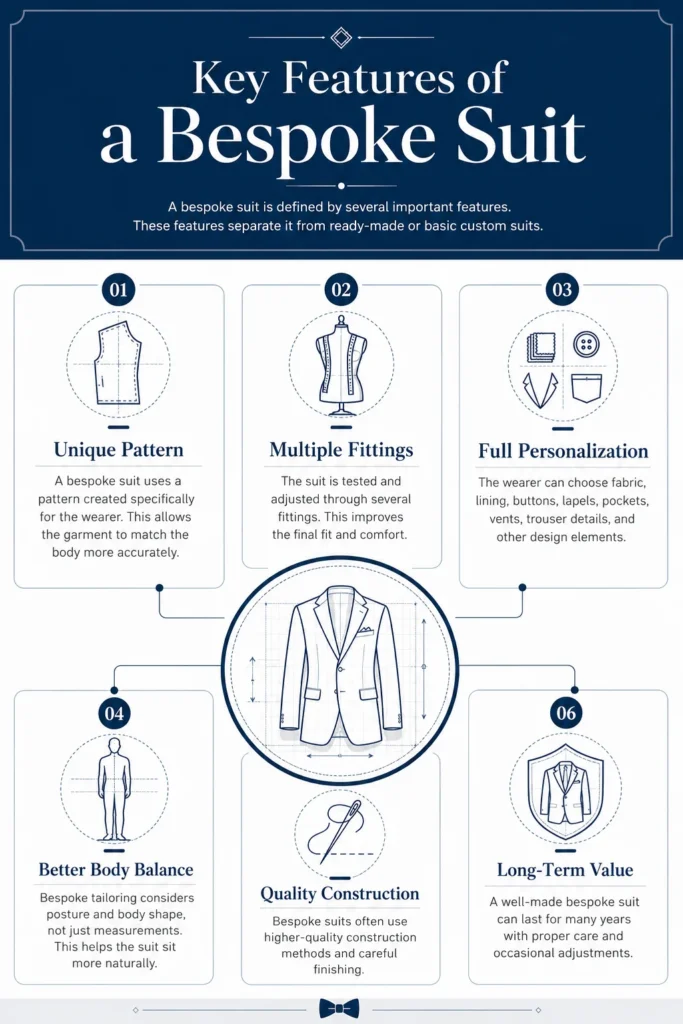
Because the pattern is created specifically for the wearer, it can account for body shape, posture, asymmetry, and style preference. Once the pattern is refined, it may also be used as a base for future suits, making later orders easier and more accurate.
6. Cutting and Construction
After the pattern is ready, the fabric is cut. This stage requires skill because the tailor must consider fabric grain, pattern matching, balance, and construction details.
For example, if the fabric has stripes or checks, the tailor must align the pattern carefully across the jacket and trousers. Poor cutting can affect the appearance of the suit, even if the fabric itself is expensive.
The suit is then assembled in stages. In traditional bespoke tailoring, certain parts may be hand-sewn or hand-finished. The amount of handwork can vary depending on the tailor, but the goal is always to create a garment with better structure, shape, and durability.
7. Fittings and Adjustments
Fittings are a major part of bespoke tailoring. They allow the tailor to test the shape of the suit on the body before the final garment is completed.
A bespoke suit often includes several fittings, such as:
First Fitting
The first fitting checks the basic shape and proportions. The tailor looks at how the jacket sits on the shoulders, how the chest closes, how the waist shapes, and how the trousers fall.
Basted Fitting
A basted fitting uses temporary stitching. This allows the tailor to make larger adjustments before the suit is permanently sewn. It is one of the most important stages because it helps refine the balance and structure of the suit.
Forward Fitting
The forward fitting shows a more developed version of the suit. At this stage, the tailor checks smaller details such as sleeve pitch, trouser break, collar fit, jacket length, and overall comfort.
Final Fitting
The final fitting checks the completed suit. Small finishing adjustments may still be made to ensure the suit sits cleanly and feels comfortable.
Fittings are important because a bespoke suit is not created in one step. It is refined gradually until the fit, balance, and appearance are right.
Why Choose a Bespoke Suit?
When Should You Wear a Bespoke Suit?
A bespoke suit can be worn for many occasions, depending on the fabric and design.
Business Meetings
A navy, charcoal, or dark grey bespoke suit is suitable for business meetings, presentations, and professional settings. The clean fit helps create a polished impression.
Weddings
Bespoke suits are popular for weddings because the garment can be designed around the wedding theme, venue, season, and personal style of the groom.
Formal Events
For black-tie events, galas, and evening occasions, bespoke tailoring allows for refined details such as peak lapels, shawl collars, tuxedo styling, and elegant fabrics.
Travel
A bespoke travel suit can be made with lightweight, wrinkle-resistant, or breathable fabrics. This is useful for people who travel for business or destination events.
Everyday Professional Wear
For men who wear suits regularly, bespoke tailoring can improve daily comfort and create a more consistent professional appearance.
How Much Does a Bespoke Suit Cost?
The cost of a bespoke suit can vary widely depending on the tailor, fabric, construction method, number of fittings, and level of handwork. Premium fabrics, complex designs, and traditional hand tailoring usually increase the price.
Factors that affect bespoke suit cost include:
- Fabric quality
- Fabric origin
- Suit construction
- Amount of handwork
- Number of fittings
- Jacket style
- Lining choice
- Design complexity
- Tailor experience
- Location
Although a bespoke suit may cost more than an off-the-rack or made-to-measure suit, the value comes from the fit, personalization, durability, and long-term wearability.
Is a Bespoke Suit Worth It?
A bespoke suit is worth it if you want a suit that is made specifically for your body, purpose, and personal style. It is especially valuable for people who struggle with standard sizing, wear suits often, or need a suit for an important occasion.
A bespoke suit may be worth considering if:
- You want a better fit than ready-made suits
- You have difficulty finding suits that fit your body
- You need a wedding suit or formal suit
- You wear suits for business
- You want long-term wardrobe quality
- You care about fabric and construction
- You want full control over the design
- You prefer a suit that feels personal
However, if you need a suit immediately or only plan to wear it once, a ready-made or made-to-measure suit may be enough. Bespoke tailoring is best for those who value the process and the final result.
How to Choose the Right Bespoke Tailor?
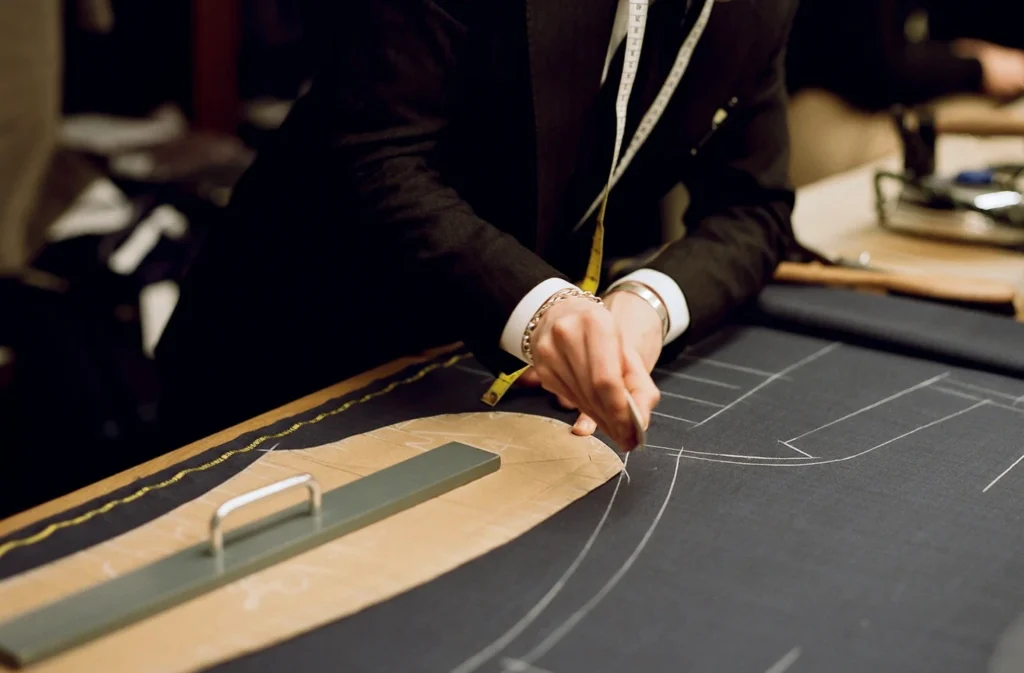
When choosing a bespoke tailor bangkok, it is important to work with a tailoring house that understands body shape, fabric behavior, construction, proportion, and personal style. Micheal Tailors offers a personalized bespoke tailoring experience, guiding clients through fabric selection, measurements, fittings, and design details to create suits that fit naturally and reflect individual style.
Before choosing a tailor, consider the following:
Experience
Look for a tailor with experience in bespoke suit-making. A skilled tailor should be able to explain the process clearly and guide you through fabric, fit, and design choices.
Fitting Process
Ask how many fittings are included. A proper bespoke process usually requires multiple fittings to refine the suit.
Fabric Options
A good tailor should offer a range of fabrics suitable for different climates, occasions, and budgets.
Communication
The tailor should listen to your needs and explain recommendations clearly. Good communication helps avoid misunderstandings about fit, style, and timeline.
Previous Work
Review examples of previous suits if possible. This helps you understand the tailor’s style, quality, and attention to detail.
Aftercare
Ask whether the tailor offers adjustments after completion. This can be useful if small changes are needed after wearing the suit.
How to Care for a Bespoke Suit
A bespoke suit should be cared for properly to maintain its shape and appearance. Good care can extend the life of the garment and keep it looking sharp.
Use a Proper Hanger
Hang your suit on a wide wooden hanger that supports the shoulders. This helps maintain the jacket shape.
Let the Suit Rest
Avoid wearing the same suit every day. Letting the fabric rest allows it to recover its shape.
Brush the Fabric
Use a soft clothes brush to remove dust and surface dirt after wearing.
Avoid Excessive Dry Cleaning
Dry cleaning too often can weaken natural fibers. Clean the suit only when necessary.
Steam Carefully
Light steaming can remove wrinkles, but avoid direct high heat on delicate fabrics.
Store It Properly
Store the suit in a breathable garment bag. Avoid plastic covers for long-term storage because they can trap moisture.
Handle Repairs Early
If a button loosens or a seam starts to open, repair it early before the issue becomes larger.
Common Mistakes to Avoid When Ordering a Bespoke Suit
Ordering a bespoke suit is exciting, but there are some mistakes to avoid.
Choosing Style Over Fit
A stylish suit still needs to fit correctly. Fit should always come before trend-driven details.
Picking the Wrong Fabric
Not every fabric is suitable for every climate or occasion. Choose fabric based on how and where you will wear the suit.
Rushing the Process
Bespoke tailoring takes time. Rushing fittings or skipping adjustments can affect the final result.
Over-Customizing the Suit
Too many bold details can make the suit less versatile. For a first bespoke suit, classic choices are often better.
Ignoring the Tailor’s Advice
A good tailor understands proportion, fabric, and fit. While personal preference matters, professional guidance can help you make better choices.
Best Fabrics for a First Bespoke Suit
For a first bespoke suit, it is usually best to choose a versatile fabric and color. This allows you to wear the suit for multiple occasions.
Good first bespoke suit choices include:
| Fabric | Best Use | Why It Works |
| Navy wool | Business, weddings, formal events | Classic and versatile |
| Charcoal wool | Business and professional wear | Elegant and easy to match |
| Light grey wool | Daytime events and warm weather | Softer and modern |
| Tropical wool | Warm climates and travel | Breathable and practical |
| Linen blend | Summer and destination events | Relaxed and lightweight |
A navy or charcoal wool suit is often the safest first choice because it can be worn for business, formal events, dinners, and weddings.
Conclusion
A bespoke suit is more than a custom-made garment. It is a personal tailoring experience built around your body, lifestyle, and style preferences. From the first consultation to the final fitting, every detail is considered carefully so the finished suit fits well, feels comfortable, and looks balanced.
Compared with off-the-rack and made-to-measure suits, bespoke tailoring offers a higher level of precision and personalization. The unique pattern, multiple fittings, fabric selection, and design freedom all contribute to a garment that feels truly individual.
Whether you are preparing for a wedding, building a professional wardrobe, attending formal events, or investing in long-term menswear, a bespoke suit can be one of the most valuable pieces in your wardrobe. It combines fit, craftsmanship, comfort, and personal expression in a way that standard suits cannot fully match.
For anyone who wants a suit that is made with purpose, shaped with care, and designed to reflect personal style, bespoke tailoring remains the most complete approach to classic menswear.

More Articles
Getting a Suit Made in Bangkok on a Short Trip: Real Customer Stories
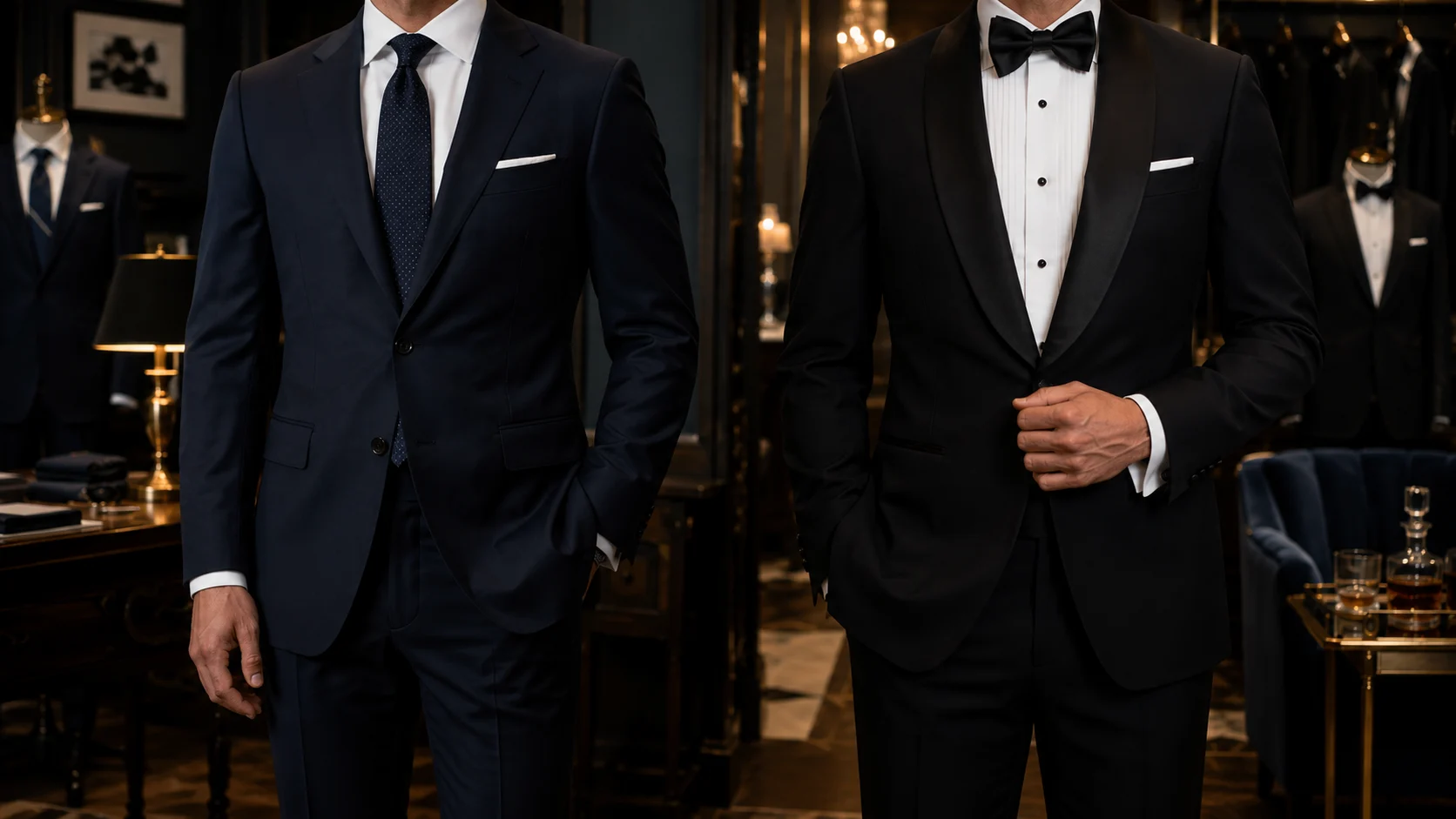
Suit vs Tuxedo: Key Differences and When to Wear Each One