
Finding the correct trouser length is essential for creating a polished, well-balanced look. Trousers that are too long can bunch around the ankles, while trousers that are too short may reveal too much sock and disrupt the clean line of a suit.
The ideal trouser length depends on the cut of the trousers, the style of footwear, the occasion, and your preferred amount of break. A no-break finish delivers a sharp, modern silhouette, while a slight or half break creates a more traditional and versatile appearance. A full break adds extra length and is generally best suited to wider, classic trouser styles.
In this guide, you will learn about the main types of trouser breaks, how long dress pants should be, which trouser length works best for different occasions, and how a tailor determines the correct hem length for a precise fit.
Understanding the Importance of Pant Length
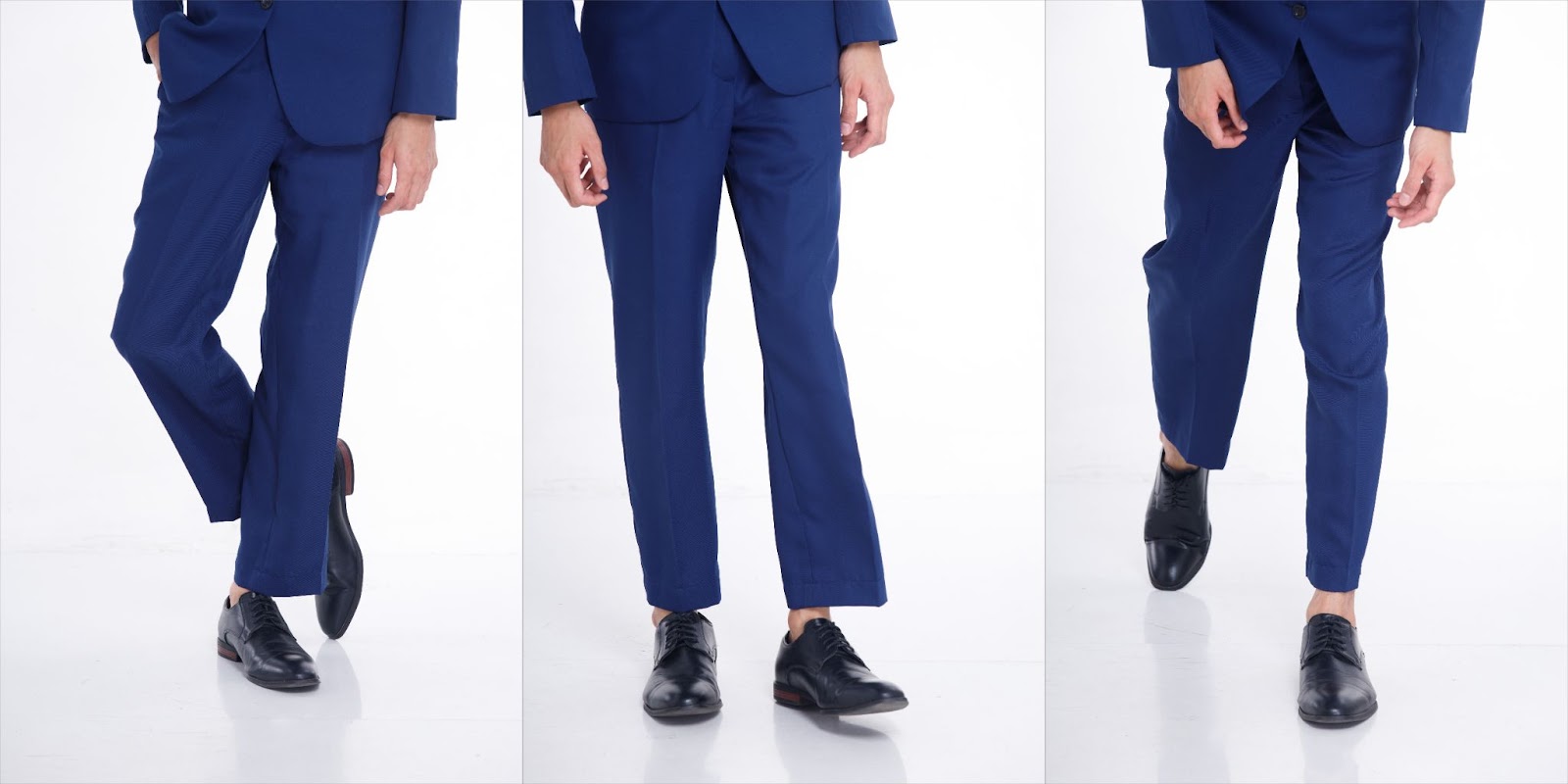
Why is trouser length so important for formal wear?
The length of your dress trousers affects your whole silhouette. Trousers that are too long bunch up awkwardly. Trousers that are too short interrupt the clean vertical line that makes formal outfits look balanced.
How Breaks Affect Your Style
What Is a Trouser Break?
A trouser break is the fold or crease that forms where the bottom of the trouser leg meets the top of the shoe. The amount of fabric resting on the footwear determines whether the trousers have no break, a slight or quarter break, a half break, or a full break.
To assess trouser length accurately, stand naturally while wearing the shoes you plan to pair with the trousers. Switching from a slim dress shoe to a heavier loafer or boot can significantly change how the same hem length looks.
What Is a No-Break Trouser Length?
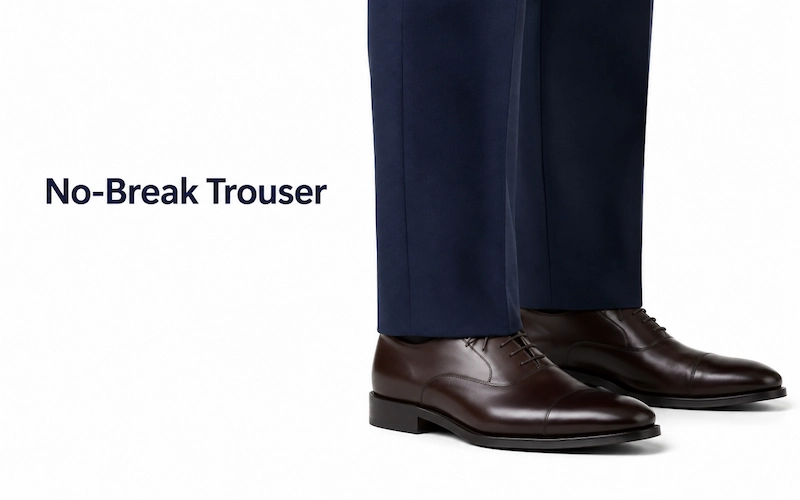
No-break trousers finish at or just above the top of the shoe without creating a visible crease in the fabric. The hem should appear clean, intentional, and precisely tailored rather than accidentally cropped.
A no-break trouser length works particularly well with:
- Slim or tapered trousers
- Modern business suits
- Loafers and streamlined dress shoes
- Contemporary formalwear
- Warm-weather outfits
A no-break hem may reveal a small amount of sock while standing and more when sitting. For the best result, the trousers should have a clean taper and fit properly through the seat and thighs, preventing them from looking excessively short.
What Is a Slight or Quarter Trouser Break?
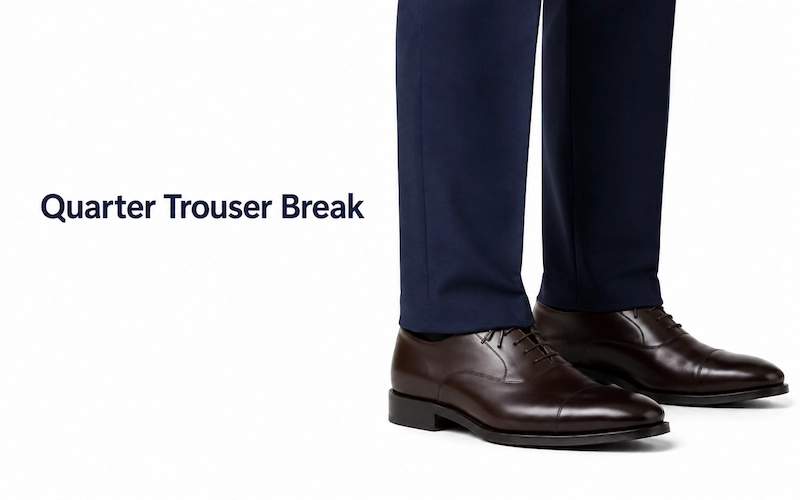
A slight break, also known as a quarter break, creates a single small crease where the front of the trouser leg touches the shoe. It provides a clean, modern silhouette while offering more sock coverage than a no-break trouser length.
This versatile trouser break works well with:
- Business suits
- Wedding suits
- Smart-casual trousers
- Slim and regular trouser cuts
- Oxford shoes, Derby shoes, and loafers
A slight trouser break is an excellent choice for men who want a contemporary appearance without choosing a noticeably cropped hem.
What Is a Half Trouser Break?
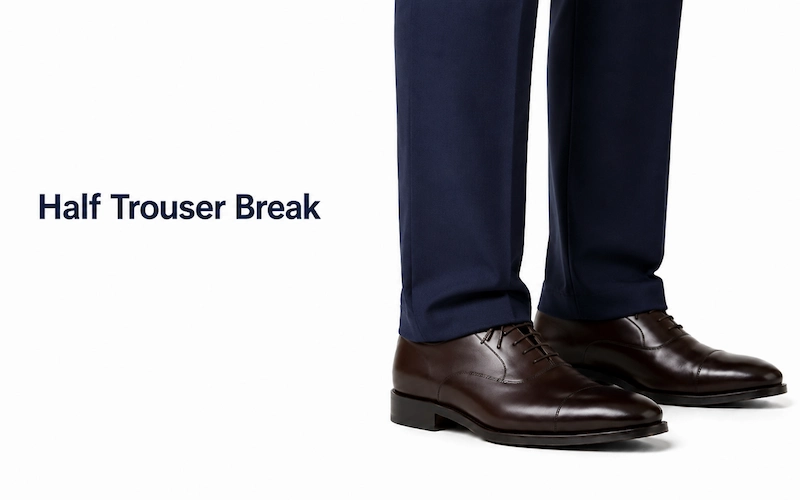
A half break, sometimes called a medium break, creates a more visible fold at the front of the trouser leg. The back of the hem usually extends farther down the shoe, providing additional coverage.
This traditional and balanced trouser length is especially suitable for:
- Regular-fit suits
- Business and professional attire
- Straight or moderately tapered trousers
- Men who prefer greater sock coverage
- Conservative formal occasions
A properly tailored half break should create one controlled fold at the front. Multiple wrinkles or excess fabric gathering around the ankle usually indicate that the trousers are too long.
What Is a Full Trouser Break?
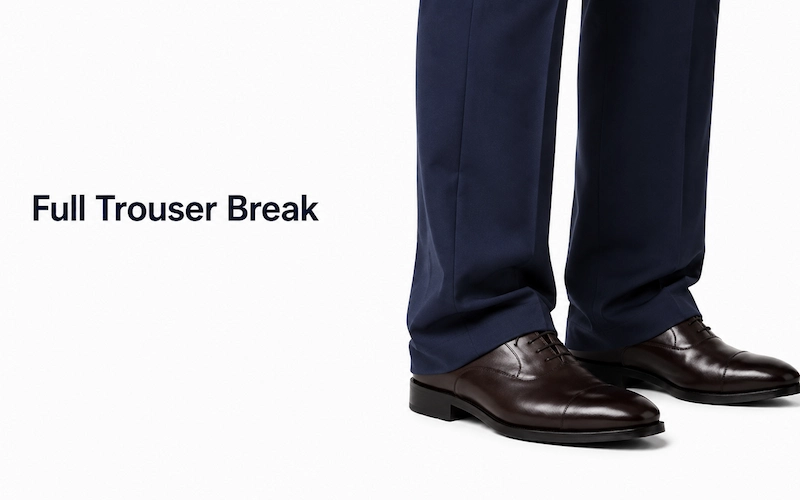
A full break uses the greatest trouser length and creates a deep fold at the front of the leg. It also provides more coverage over the shoe, resulting in a relaxed and traditional silhouette.
A full trouser break is most suitable for:
- Wider trouser legs
- Traditional suit cuts
- Pleated trousers
- Heavier fabrics
- Classic and relaxed tailoring
Even a full break should look deliberate and carefully tailored. The fabric should form one defined fold rather than pooling around the ankles, bunching excessively, or dragging beneath the heel.
Quick Trouser-Break Comparison
| Trouser break | Hem appearance | Best trouser cut | Best suited to |
|---|---|---|---|
| No break | No visible fold; hem meets or sits just above shoe | Slim or tapered | Modern suits and contemporary styling |
| Slight break | One small crease | Slim, tapered or regular | Business, weddings and versatile formalwear |
| Half break | Clear but controlled fold | Regular or straight | Traditional business and formal outfits |
| Full break | Deep front fold with more shoe coverage | Straight, pleated or wide | Classic suits and relaxed tailoring |
How Long Should Dress Pants Be?
Dress pants should be long enough to create the desired trouser break without bunching around the ankles, dragging on the floor, or becoming caught beneath the shoe.
From the front, the trouser hem should meet the shoe at the correct point for the chosen break. From the back, dress pants typically finish between the upper section and the middle of the shoe heel, depending on the trouser cut, leg opening, and preferred length.
The correct dress pant length should:
- Sit evenly on both legs
- Avoid exposing bare skin while standing
- Stay clear of the floor
- Avoid becoming trapped beneath the shoe
- Create only the amount of folding required for the chosen break
- Maintain a clean, uninterrupted line from the thigh to the ankle
There is no universal inseam measurement that works for every pair of dress pants. Factors such as the trouser rise, waistband position, leg opening, fabric weight, shoe style, and preferred trouser break all affect the ideal finished length.
Should the Front and Back of the Trouser Hem Be the Same Length?
The front and back of a trouser hem do not always need to be the same length. Some tailored dress pants use an angled or slanted hem, with the front cut slightly shorter and the back left slightly longer.
This tailored finish allows the front of the trousers to rest neatly on the shoe without creating excessive folds. At the same time, the longer back provides additional coverage over the heel, making an angled hem especially suitable for half-break and full-break trousers.
The angle should remain subtle and balanced. A noticeable difference between the front and back can make the trousers appear uneven when viewed from the side.
Factors Influencing Dress Pant Length

Your ideal trouser length depends on a mix of factors, including your build, the cut of the trousers and how much break you prefer.
How Do Body Proportions Affect Trouser Length?
Body proportions can influence how a trouser break looks, but height alone should not determine the ideal trouser length. The best result comes from balancing the hem with the trouser cut, leg shape, footwear, and the wearer’s overall silhouette.
Shorter men often choose a no-break or slight-break finish because fewer folds can help create a cleaner, more continuous vertical line. However, trousers that are cut too short may disrupt the proportions of the outfit and make the legs appear less balanced rather than longer.
Taller men can wear any trouser break when the width and proportions of the trousers are correct. A half or full break can complement a wider, more traditional suit, while a no-break finish often works well with slim, contemporary tailoring.
The most important factors to consider include:
- The trouser rise
- The width through the thigh
- The amount of taper
- The leg opening
- The wearer’s torso-to-leg proportions
- The shoes worn with the trousers
A skilled tailor should assess the entire silhouette before recommending a trouser length. The chosen break should complement the wearer’s proportions, suit style, and footwear rather than being based on height or body shape alone.
How Does Trouser Width Affect the Break?
Trouser width directly affects how the hem falls over the shoe and which trouser break creates the cleanest silhouette. The narrower the leg opening, the less fabric can rest naturally on the footwear.
Slim and tapered trousers have a narrow leg opening, which causes the hem to sit higher on the shoe. These styles generally look best with no break or a slight break. Adding too much length can make the fabric stack in multiple wrinkles around the ankle and disrupt the streamlined shape.
Regular-fit and straight-leg trousers have a wider opening, allowing the fabric to fall farther over the shoe. They can usually accommodate a slight or half break while maintaining a balanced, polished appearance.
Wide-leg and pleated trousers often require additional length to preserve their natural drape. A half or full break may work well, provided the fabric falls cleanly and does not pool around the feet.
As a general guide:
- Slim and tapered trousers: No break or slight break
- Regular-fit trousers: Slight break or half break
- Straight-leg and pleated trousers: Half break or full break
- Cropped casual trousers: No break with an intentionally shorter hem
Trouser break and leg opening should always be considered together. Altering the hem length without accounting for the taper or width can change the intended shape, drape, and overall balance of the trousers.
Which Trouser Break Is Best for Each Occasion?
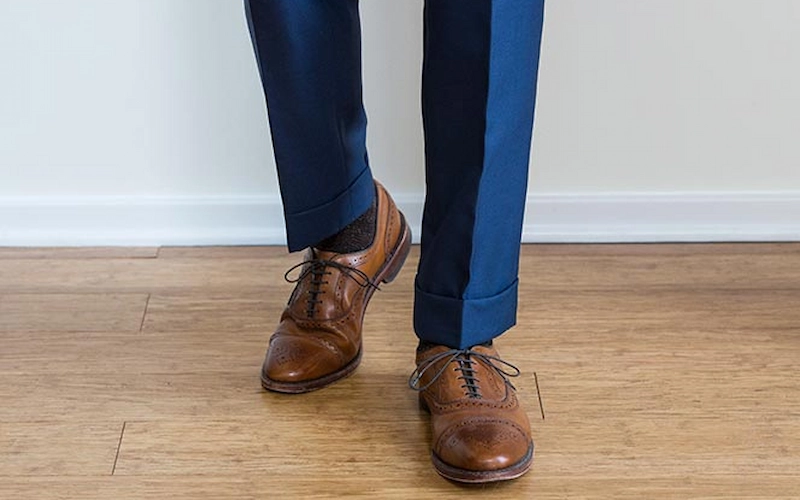
The best trouser break depends on the formality of the occasion, the style of the outfit, and the cut of the trousers. Choosing the right break helps create a polished silhouette while keeping the overall look appropriate for the setting.
Business and Office Wear
A slight or half break is usually the best choice for business and office wear. Both options create a professional appearance and work well with most business suits, dress shoes, and regular-fit trousers.
Job Interviews
For job interviews, choose a slight or half break. These trouser lengths look neat, polished, and conservative without appearing overly trend-driven.
Weddings
A slight break suits most modern wedding suits and creates a clean, tailored finish. A half break is often a better match for traditional ceremonies, classic suit styles, and regular-fit trousers.
Black-Tie Events
Tuxedo trousers generally look best with a clean slight break. This length helps maintain the long, uninterrupted line expected from formal eveningwear while preventing excess fabric from gathering around the shoe.
Smart-Casual Outfits
A no-break or slight-break finish works well for smart-casual outfits. These options pair effectively with loafers, chinos, lightweight tailoring, and contemporary trouser cuts.
Traditional Tailoring
A half or full break can complement traditional tailoring, especially when worn with wider trouser legs, pleats, heavier fabrics, and classic suit proportions.
For trousers that need to work across several occasions, a slight break is generally the most versatile choice. It offers a balanced appearance that feels modern, polished, and appropriate in both formal and less formal settings.
Does Shoe Style Affect Trouser Length?
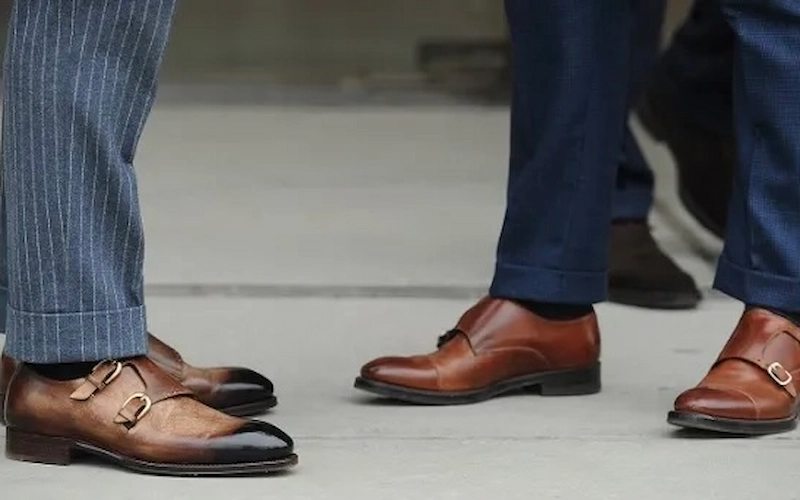
Yes. Shoe style has a direct impact on trouser length because the height, shape, and structure of the footwear determine where the hem rests and how the break forms.
Slim Oxford shoes and loafers usually allow trousers to fall smoothly over the upper without creating much resistance. Chunkier Derby shoes, boots, and thick-soled footwear can make the same trousers appear shorter or create a more pronounced break.
When trousers will be worn mainly with one type of shoe, bring that pair to the fitting. This allows the tailor to assess:
- Where the front hem meets the shoe
- How far the back hem covers the heel
- Whether the trouser opening catches on the footwear
- How much sock is visible
- Whether the hem stays clear of the floor
Trousers designed to be worn with boots may need a wider leg opening as well as a different hem length. Simply lengthening the trousers may not create the correct drape if the opening is too narrow for the shape of the boot.
What Are the Most Common Trouser-Length Mistakes?
Common trouser-length mistakes can make even well-tailored trousers look untidy.
Too Much Fabric at the Ankles
Multiple folds usually mean the trousers are too long or too narrow for the chosen break.
Choosing No Break Without Enough Taper
A short hem works best with slim or tapered trousers. With a wide leg opening, it may look unfinished.
Ignoring the Back Hem
Check the trousers from every angle. The back should not sit too high or drag near the floor.
Measuring Without Shoes
Always wear the intended shoes during a fitting, as footwear affects how the hem rests.
Wearing Trousers Too Low
Trousers fitted at the natural waist may appear too long when worn lower on the hips.
Using One Length for Every Cut
Slim, straight, and pleated trousers often require different hem lengths to achieve the correct break.
Measuring for the Perfect Fit
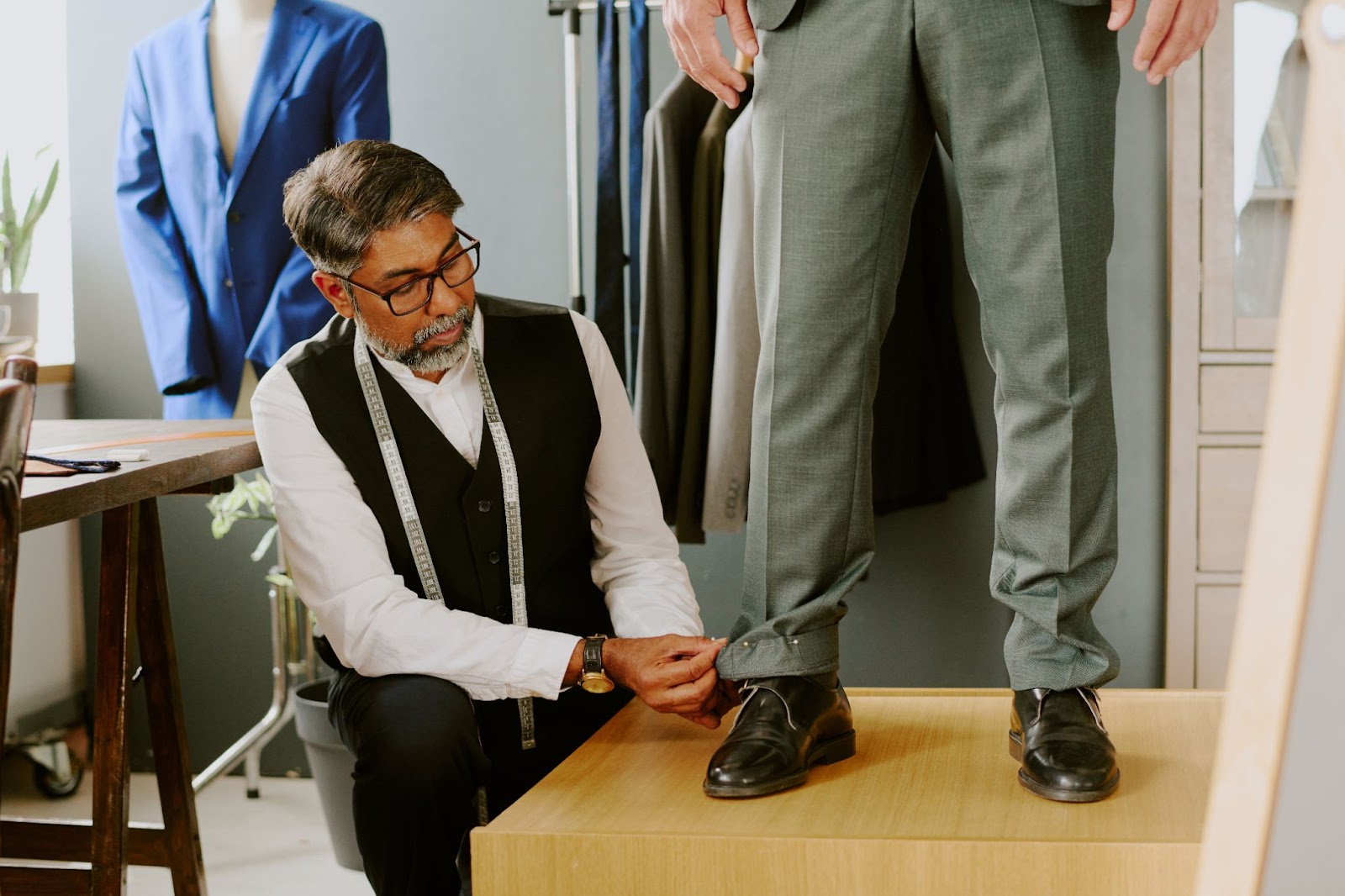
The secret to perfect trouser length is accurate measurements. Even a small difference affects how the trousers sit on your shoes.
Which measurements matter most?
Start with the inseam, which runs from the crotch to the hem. This determines the basic trouser length. Many men fall between a 30 and 34 inch inseam, although your ideal measurement depends on leg length and the break you prefer. Always measure while wearing the shoes you plan to pair with the trousers.
The outseam runs from the waistband to the hem and helps your tailor understand how the trousers sit on your body overall. At Michael Tailors, a leading bangkok tailor and custom tailor in Bangkok, these measurements are taken carefully to deliver a clean, tailored finish.
Bringing It All Together
Once you understand breaks, body proportions and accurate measuring, choosing the right trouser length becomes straightforward. Whether you prefer a sharp no break style or a more traditional medium break, the right length will improve your outfit and your confidence.

More Articles
Getting a Suit Made in Bangkok on a Short Trip: Real Customer Stories
Suit vs Tuxedo: Key Differences and When to Wear Each One