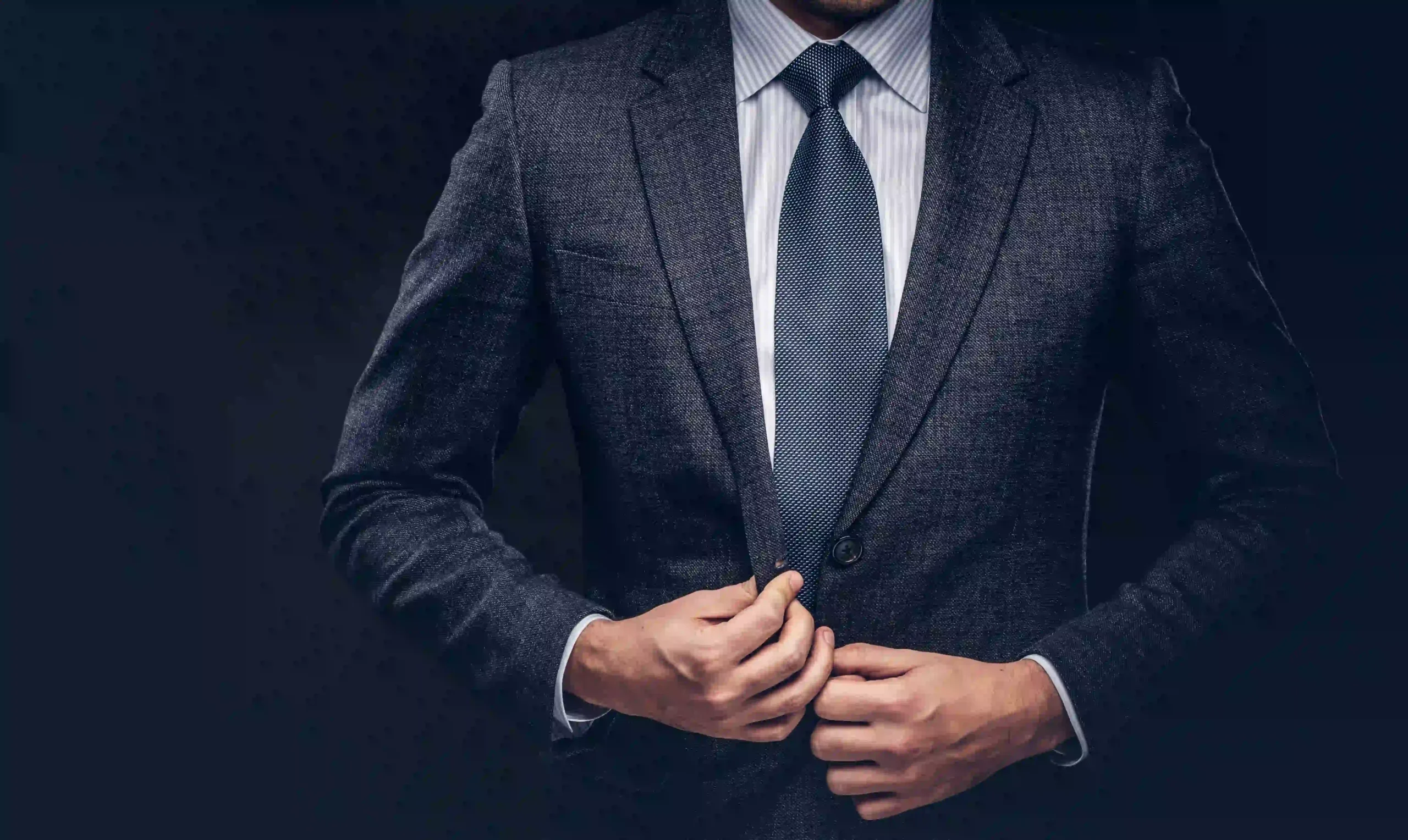
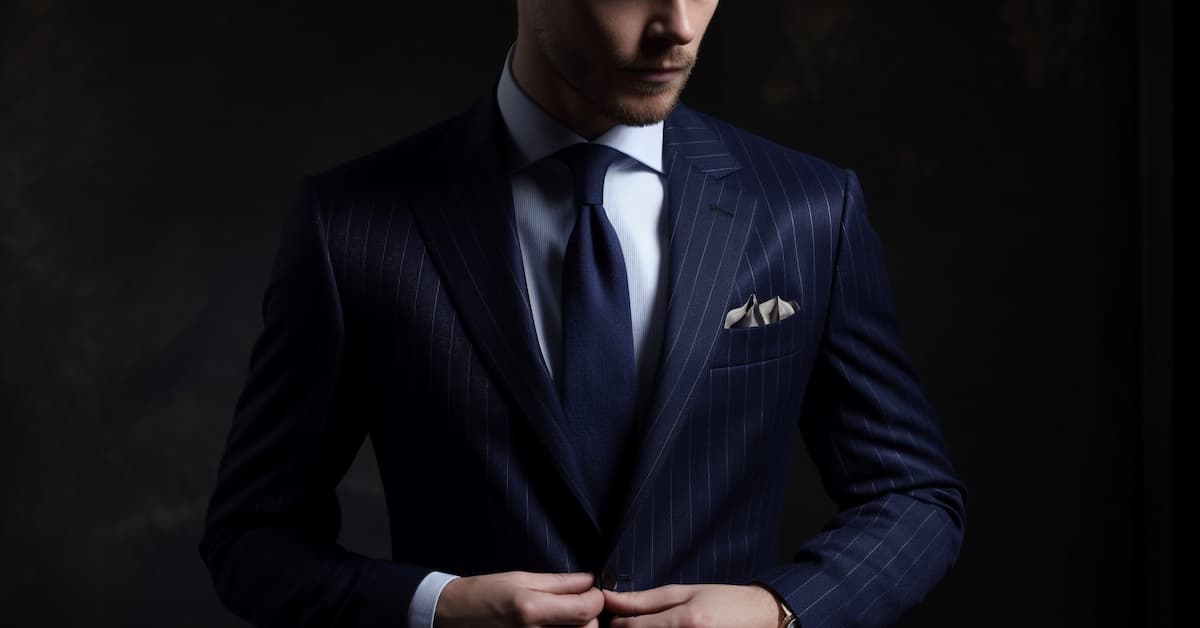
Are men’s ties going out of style? No. Although ties are no longer required in many workplaces, they remain a fashionable accessory for business meetings, weddings, job interviews, and formal events. In 2026, wearing a tie is often a personal style choice rather than a professional obligation. A Bangkok suit tailor can help you choose a well-fitted suit that complements your preferred tie and the occasion.
Modern menswear offers more flexibility when it comes to choosing between conservative formalwear and casual outfits. One can use a classic silk tie to look professional and a knitted or textured tie for a more casual setting.
Whether to wear a tie in Bangkok depends on the occasion, dress code, and weather. A client meeting or formal wedding may call for a tie, while a casual office day may not.
This blog gives tips on when and how to wear a tie and which one suits a certain type of suit.
Are Ties Still Fashionable in 2026?
Yes, ties are fashionable in 2026, but the place of ties in the male wardrobe has altered. The loosening up of work dress codes has allowed for open-collar shirts and business casual clothes to be worn in places where previously a tie was required.
But ties have not gone out of style in the modern age. Ties remain present in contemporary menswear, suits, and in personal styling.
The only difference is that men have a greater choice as to whether a tie goes well with their look or not.
Why Are Ties Becoming a Personal Style Choice?
Dress codes in most corporate settings have traditionally been strict, and a tie was an essential part of every work uniform. These days, however, in many organizations there is less emphasis on such requirements as long as the person is not seeing clients or participating in formal events.
In other words, the use of ties has become much more flexible. Rather than an obligatory part of one’s uniform, the tie becomes a way to make an important look different from a casual one.
Thus, a navy blue suit with a burgundy silk tie looks much more formal compared to the same suit worn with an open collar shirt.
Are Ties Making a Comeback in Men’s Fashion?
Ties have once again become fashionable in today’s fashion world, and fashion magazines have featured ties as accessories in 2026.
While ties are usually restricted to business dress clothing, current styling includes mixing ties with textured jackets and unusual colors.
But just because a trend is popular on the runway doesn’t mean it has to be acceptable in the workplace. A tie that may look stylish in a magazine may not be right for every office setting.
A practical approach would be to select a tie that goes well with your wardrobe.
When Should Men Wear a Tie?
A tie is recommended for men when there is a need for them to appear neat and formal. Situations like business appointments, job interviews, weddings, and dinner dates among others would call for a tie.
There are other events where a tie may not be necessary. The key thing is to look at the type of dress, place, and company of people.
Which Tie Should You Wear for Different Occasions?
Business Meetings and Client Presentations
The tie could be useful in making you look professional in important business meetings especially where conservative clothing still dominates.
A navy suit and a white shirt together with a dark silk tie would be a good choice in a conservative business environment.

Men attending business meetings in Bangkok should consider the dress code of the company they are visiting. Some workplaces prefer traditional business attire with a tie, while others accept tailored trousers and open-collar shirts.
If you are meeting your client for the first time, take note of the usual dressing code in that company.
Job Interviews
Wearing a tie to a job interview can help create a professional impression, especially in finance, law, management, and other formal workplaces. Consider these tips when choosing your tie:
- Choose classic colors: Navy or burgundy ties are reliable options, depending on your suit colour.
- Avoid bold designs: Choose subtle patterns and colors that complement your outfit without drawing too much attention.
- Consider the company’s dress code: In workplaces with relaxed or casual dress codes, wearing a tie may not be necessary.
Weddings and Formal Celebrations
Weddings remain one of the most popular occasions for wearing ties. The right choice depends on the time of day, suit colour, and wedding dress code. Consider these tips when choosing your tie:
- Daytime weddings: Choose lighter colors and subtle textures that complement navy, grey, or beige suits.
- Evening weddings: Opt for a dark silk tie to create a more formal and polished appearance.
- Casual beach weddings: Follow the couple’s dress code. An open-collar shirt may be appropriate for a relaxed celebration.
- Black-tie weddings: Wear a bow tie with a tuxedo rather than a regular necktie.
Smart-Casual and Everyday Settings
Ties can still work well for smart-casual events, relaxed workplaces, and informal gatherings. However, wearing one should depend on the occasion and the overall outfit. Consider these styling tips:
- Choose a knitted tie: Pair it with an unstructured blazer and tailored trousers for a smart-casual appearance.
- Keep the outfit relaxed: Avoid overly formal combinations when attending casual events or gatherings.
- Consider an open-collar shirt: For more relaxed settings, skipping the tie may be a better choice.
- Prioritise comfort and dress code: Wear a tie when it complements the occasion rather than simply because you are wearing a suit.
How Do You Choose the Right Tie for Your Suit?
Choosing the right tie involves more than selecting a color you like. Factors such as tie width, length, fabric, and pattern all affect how balanced the finished outfit appears.
A good tie must not only match but also blend with your jacket and shirt.
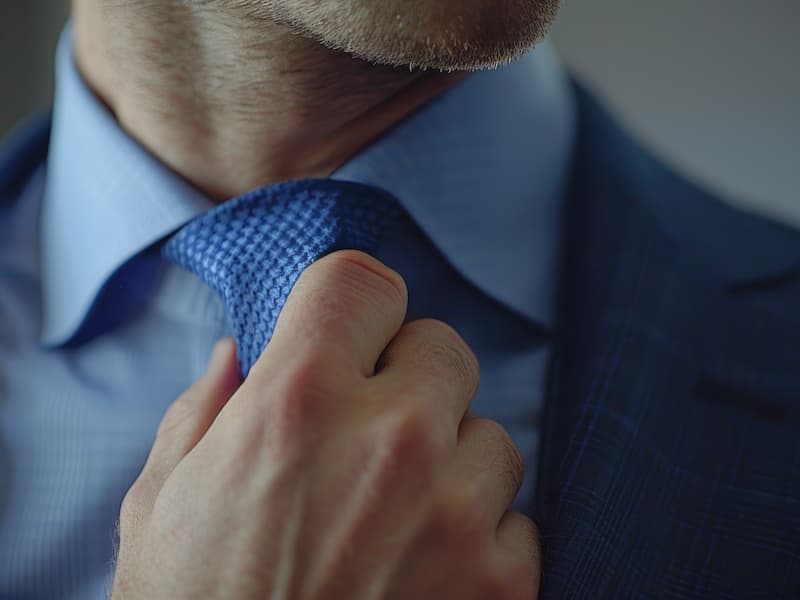
Match Tie Width to Your Suit Lapels
Width of the tie must normally be in harmony with the width of the lapels of your jacket and your general physique. Narrow lapels will usually go well with narrow ties, whereas wide lapels can complement wide ties.
For instance, you might find yourself wearing a very narrow tie with a business suit having wide lapels. Rather than going by the dictates of fashion, pick something that will make the combination look harmonious.
Get the Tie Length Right
The tip of your tie should reach approximately the waistband of your trousers when tied. Getting the right length helps maintain a balanced and polished appearance. Consider these tips:
- Avoid a tie that is too short: A tie ending above the waistband can make your outfit look unbalanced.
- Avoid a tie that is too long: A tie extending below the waistband may create an untidy appearance.
- Adjust for different knots: Different tie knots use different amounts of fabric, so adjust the length accordingly.
- Check the final position: Stand naturally and make sure your tie hangs straight without twisting to one side.
Choose Colours That Complement Your Suit
The tie colour should complement both your shirt and jacket to create a balanced appearance. Different suit colours work well with different tie shades, depending on the occasion and dress code. Consider these styling tips:
- Navy suits: Pair a navy suit and white shirt with burgundy, dark green, or navy ties for a coordinated look.
- Grey suits: Choose navy or burgundy ties to complement the neutral suit colour.
- Brown and beige suits: Opt for earthy tones that blend naturally with warmer suit colours.
- Formal occasions: Darker ties generally create a more refined and understated appearance.
- Special celebrations: Brighter colors can work well depending on the dress code. Your tie does not need to match your suit exactly.
Balance Patterns and Shirt Designs
Combining patterns can enhance your outfit, but too many competing designs may make the overall look appear busy. Consider these styling tips:
- Choose a plain tie: If your shirt has noticeable stripes or checks, a solid-coloured tie can create a more balanced appearance.
- Vary pattern sizes: When wearing a patterned shirt and tie together, choose different pattern scales to prevent them from competing.
- Match stripes carefully: Pair a finely striped shirt with a wider striped tie to create a coordinated look.
Choose Fabric According to the Occasion
The material of your tie affects both its texture and level of formality. Choosing the right fabric can help you create a comfortable and appropriate outfit for different occasions. Consider these tips:
- Silk ties: Choose silk for business meetings and formal events, as its smooth finish creates a refined and elegant appearance.
- Knitted ties: Pair knitted ties with textured blazers or smart-casual outfits for a more relaxed look.
- Cotton and linen ties: Opt for these fabrics for informal daytime occasions, especially when wearing lightweight tailoring.
- Bangkok’s warm climate: Consider lightweight tie fabrics and breathable suits to stay comfortable while maintaining a polished appearance.
What Tie Styles Are Popular in 2026?
Modern menswear offers several ways to style ties with both formal and relaxed outfits. Classic silk ties remain practical for professional occasions, while knitted and textured designs offer alternatives for smart-casual settings.
Even as fashion changes, the most flexible types are those which can be worn for different events.
Classic Silk Ties
The classic silk tie remains a good bet for any business meeting, interview, or any other form of event.
The colors black, red, and dark green are especially good for these ties since they can be paired with common suit colors.
Another good thing about a silk tie is that it is suitable for someone who does not dress formally regularly.
Knitted and Textured Ties
Knitted ties represent a more casual option than the usual silk ties.
Their evident pattern goes well with unstructured blazers, Oxford shirts, and more informal tailoring.
They can be especially helpful in occasions when one would need a business tie but finds it too formal.
Patterned Ties
Delicate stripes, dots, and geometrical designs are still useful ways of bringing something interesting visually into the mix.
When the rest of your attire is quite basic, you can opt for a design-patterned tie. For instance, you could wear a patterned burgundy tie along with your navy suit and white shirt combination.
Here again, the trick is choosing designs that go with your clothing, not against it.
How Can You Wear a Tie Without Looking Too Formal?
Tie does not necessarily have to go with the structured business suit. It all depends on the rest of the clothing and how it makes the outfit look classic, modern, or casual.
The unstructured blazer, textured coat, or casual button-down shirt may help with this effect.
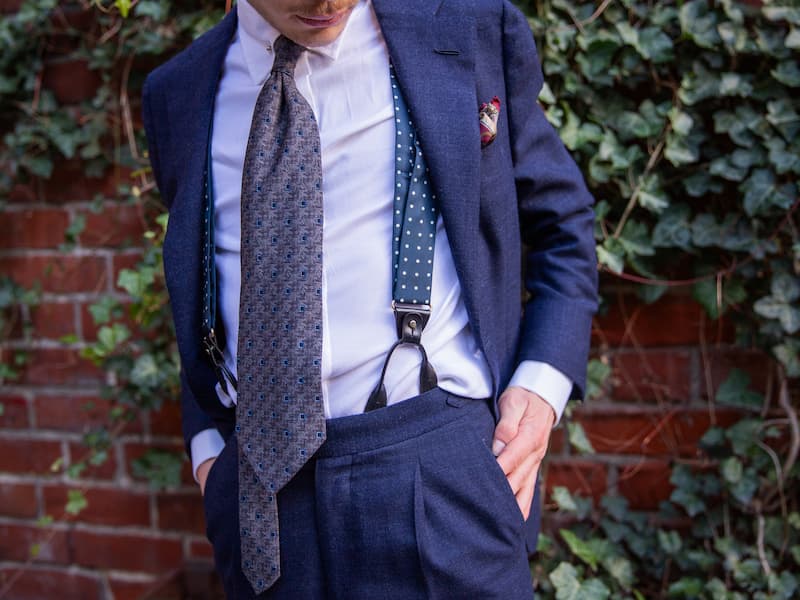
Pair a Tie With Relaxed Tailoring
Knitted ties with blazers that have no structure and tailored pants can create a stylish smart-casual look.
The combination should not be made from fabrics with conflicting textures and should include no more than one bold accessory.
For instance, a navy blue knitted tie with a light blue shirt and grey blazer creates a subtle variation on regular business wear.
Keep the Shirt Collar and Knot Neat
Even when you are wearing a casual dress code, a wrongly tied knot will affect your dressing.
Make sure that the shirt buttons are fastened and the knot is in line with the collar to ensure that the tie is hanging properly.
A four-in-hand knot is suitable for most dressing codes while a fuller knot can be used on some collars.
Make sure that the knot fits comfortably without stretching the collar.
Know When to Skip the Tie
In certain situations, going without a tie would be the best choice. This can include a casual lunch, an informal day in the office, or an outing in an informal setting outside.
Should you opt to leave the tie off, make sure that the shirt is fitting nicely and the jacket looks appropriate. This could give you a put-together look without the need for accessories.
What Tie Mistakes Should Men Avoid?
Even a quality tie could look inappropriate when the size or style does not fit the whole outfit.
The common mistakes are:
- Tie length: A tie that finishes either above or below the waist line may affect the balance of the whole outfit.
- Mismatch in proportions: The proportion between the very skinny tie and wide jacket lapels could look strange.
- Complicated patterns: Patterns both in the shirt and in the tie should not be similar-sized.
- Wrong formality of the tie: Casual tie is not always appropriate for highly formal events.
- Wrong shape: A tie that is tied too loosely could spoil the impression from a quality suit.
- Wearing a tie when everybody else wears casual clothes: Such a tie would make the wearer more formal.
Before leaving one should have a look at the whole outfit in the mirror.
What Should You Check Before Wearing a Tie?
Some basic things to keep in mind to make sure your tie matches your outfit.
- Make sure that you have understood the dress code of the event.
- Ensure that your tie width matches with your jacket lapels.
- Keep the tip of the tie close to your waistband.
- Go for colors that match your suit and shirt.
- Do not combine two competing patterns.
- Use appropriate material according to the venue.
- Tie the knot in such a way that it rests well on your collar.
Conclusion
Are men’s ties going out of style? No. Although workplaces have become more relaxed, ties remain a valuable accessory for business meetings, weddings, formal events, and personal styling. Knowing when to wear one and choosing suitable colors, proportions, and fabrics can help create a polished appearance without looking unnecessarily formal. At Michael Tailors, a Bangkok suit tailor, we help clients select well-fitted suits and shirts that complement their personal style and the occasions they dress for. Whether you prefer a traditional business suit or a more relaxed tailored outfit, the right fit makes a difference. For additional styling guidance, explore our articles on matching dress shirts with suits and how to wear a suit properly.
FAQs
Are Ties Out of Style in 2026?
No. Ties will remain stylish in 2026, especially for formal occasions, professional settings, and modern men’s wear. Although ties are no longer worn as daily office wear, they still come in handy when it comes to making an impression.
Do People Still Wear Ties to Work?
Of course, although requirements are going to be different depending on the workplace. Ties can be expected in more traditional corporate settings, while an open collar shirt can be acceptable in the business casual environment.
Can You Wear a Tie Without a Suit?
Yes. One can wear a tie along with an unstructured jacket, dress shirt, and tailored trousers. Textured ties are especially well suited for less formal attires, as long as the total outfit is appropriate for the event.
What Tie Colours Are Best for Business Meetings?
Navy blue, burgundy, charcoal, and dark green are also good choices, since they can be worn with neutral color suits and white or light-blue colored shirts, giving a professional look without being overbearing.
Should You Wear a Tie to a Wedding in Bangkok?
It will depend upon the dress code of the wedding, the venue, and the time of the day. Formals usually require a tie, while casuals may be allowed open-collar shirts. Always follow the advice of the couple if possible.
Are Skinny Ties Still Fashionable?
Skinny ties may go well with narrow lapels and modern clothing, but they are not appropriate with all suits. Moderately-sized ties can be considered to be better suited for business dress and formal wear.

More Articles
Getting a Suit Made in Bangkok on a Short Trip: Real Customer Stories
Suit vs Tuxedo: Key Differences and When to Wear Each One