
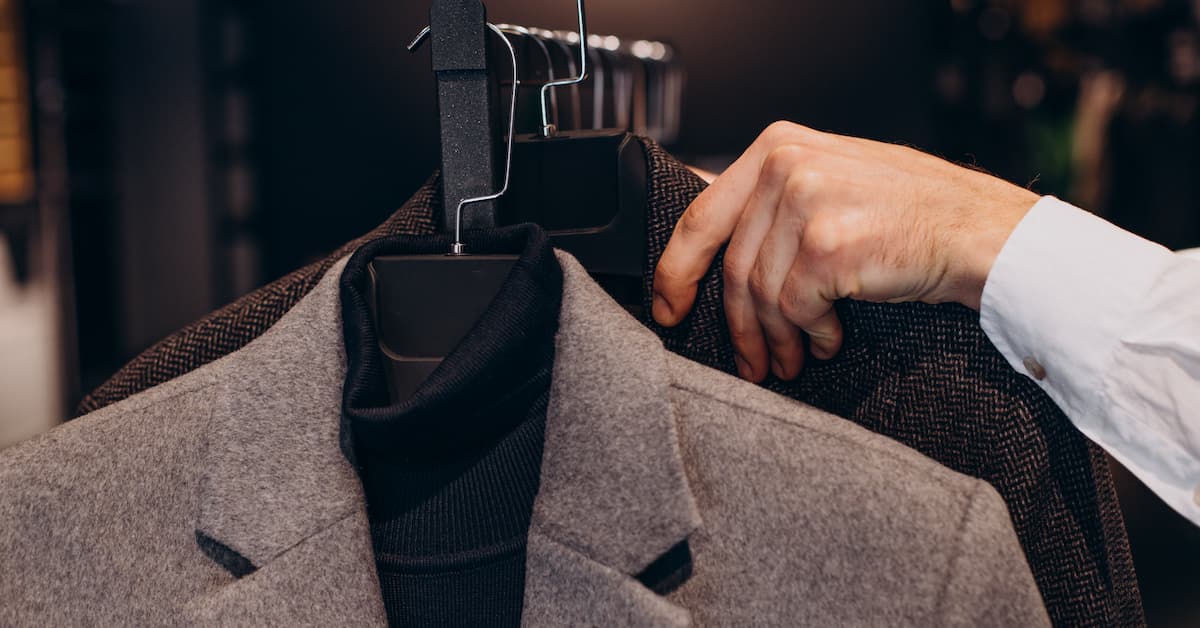
The service life of a suit will be longer if you take proper care of the garment, store it properly, and occasionally have it maintained by a professional tailor. The correct method of care will depend on the type of fabric used, and therefore you should always consult the care instructions first.
If you are maintaining the suit, you should hang it up after use, brush out any dust that may be on it, and let it dry before storing it away. You should not clean the suit unless absolutely necessary.
What should you do after wearing a suit?
Begin by emptying the pockets to avoid the items inside causing any tension on the material or causing misshaping of the garment. The jacket should be hung using an appropriately shaped hanger that will support the shoulders while trousers should be hung on an appropriate trouser hanger or folded along their seam.
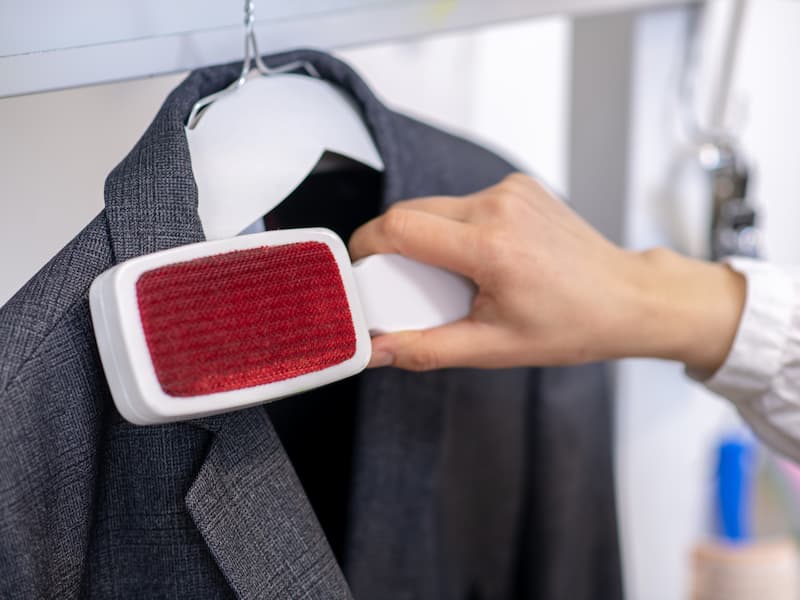
Your clothes should be allowed to breathe in an area with proper ventilation before placing them back into the wardrobe. Clothes brush should be used to brush out lint and dust off the clothes without rubbing them. Rubbing can cause spreading of the stain or damaging the clothing. Wet clothes that have been exposed to rain or sweat should be left to dry off away from any source of heat.
The other way of preventing further strain on your clothes is by rotating them from wear to wear. This will ensure that the suits get some air before you wear them again. The slight creases in the clothes will relax if they are properly hung. For more advice, see our guide to removing wrinkles from a suit safely.
How should you clean tailored garments?
The suit does not necessarily have to be dry-cleaned every time it gets minor creases and becomes less fresh-looking. The regular airing and brushing will be helpful in taking care of its condition between professional washes. Clean your clothes as per visible dirt, odours, and care labels.
There is information related to the basics of suit maintenance, proper hangers, and avoidance of dry cleaning by Esquire’s suit-care guide and Put This On. This proves that all you need to do is maintain the garment regularly and clean it only if necessary.
In case of stains, follow the instructions given in the care label and talk to a professional cleaner regarding the safest way of removing them. Never use water, stain remover, and heat to treat the stain without checking the compatibility of the treatment with the fabric.
When it comes to shirts and blouses, they usually have to be washed much more frequently than suit jackets. Please follow the recommendations on the care label and avoid overheating the fabric.
How do you store suits and tailored clothing?
Appropriate storage assists tailored clothes to retain their shape in between uses. Select a hanger that will fit the shoulders of your jacket, leaving sufficient room between each garment for ventilation. Place your trousers on the fold whenever possible and don’t place any heavy items on top of your tailored clothes.
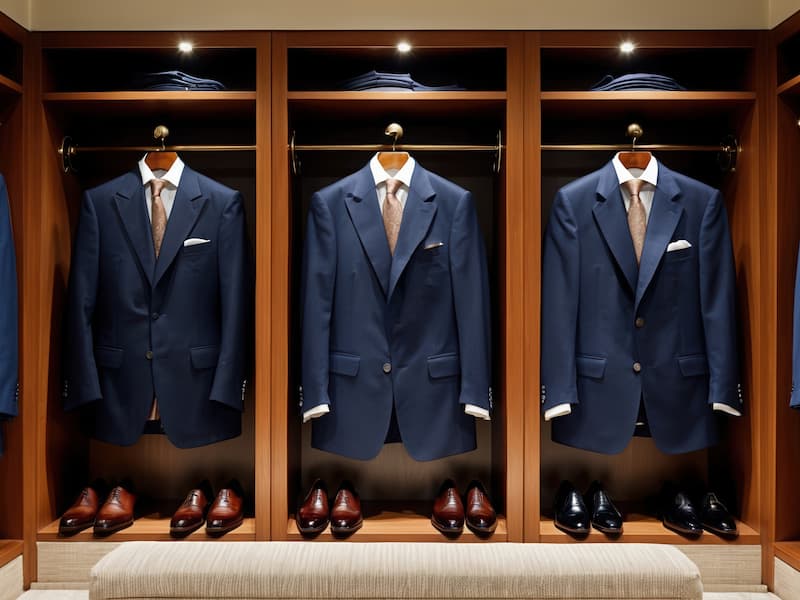
Prior to storing any clothes for long periods of time, ensure that the clothes are dry and sufficiently cleaned for storage. Place a garment cover on your clothes to help keep them dust-free without suffocating them with poor air circulation. It’s best to not store your tailored clothes in moist and poorly ventilated areas.
If you must travel with your suit, take it out of the bag as soon as possible after you have arrived at your destination and hang it on a proper hanger. Let the fabric relax for some time and if there are any creases left, steam or press the clothes if allowed.
When should you ask a tailor or cleaner for help?
There are some things that should be done by professionals and not at home. For example, in case of opening of a seam, looseness of buttons, tearing of lining and in case of pulling a suit after its resizing you should turn to a tailor. Solving such minor things on time will allow you to prevent bigger problems and preserve your garment longer.
Such more delicate issues as distorted shoulders, glossy stains, water stains, torn lapels should also be taken into account. Do not try to fix these problems by applying excess heat and pressure because it might worsen the problem. A professional cleaner will be able to recommend you appropriate stain removal technique, while a tailor will be able to evaluate the structure of the problem.
In case when a suit does not fit well any more, it would be better to ask a tailor to check this issue out. Inform a tailor about the way you use the suit and show him the trousers or shirt you often wear with it.
Fabric choice also affects how a garment performs over time. For more information about selecting suitable materials, read our guide to high-quality suit fabrics.
A simple care routine
A consistent routine helps in keeping custom clothing clean and intact without any extra effort of cleaning and repairs.
- After wear: Turn out the pockets, remove any dust and lint from the garments, and then hang them on appropriate hangers.
- Before storing: Make sure that the garment is dry before storing it, leaving room for ventilation around it.
- Before cleaning: Refer to the label on the garment and ask an expert in case of any confusion about handling the fabric and/or stain removal.
- When damage occurs: Schedule the repair of any loose button, torn seam, or damaged lining before the situation worsens.
- In between uses: It is advisable to switch your suits and give each one some time to breathe.
At Michael Tailors, we help clients choose fabrics and fits suited to regular wear in Bangkok. If your tailored clothing needs a fit adjustment or repair, you can contact our team for guidance.

More Articles
Getting a Suit Made in Bangkok on a Short Trip: Real Customer Stories

Suit vs Tuxedo: Key Differences and When to Wear Each One