
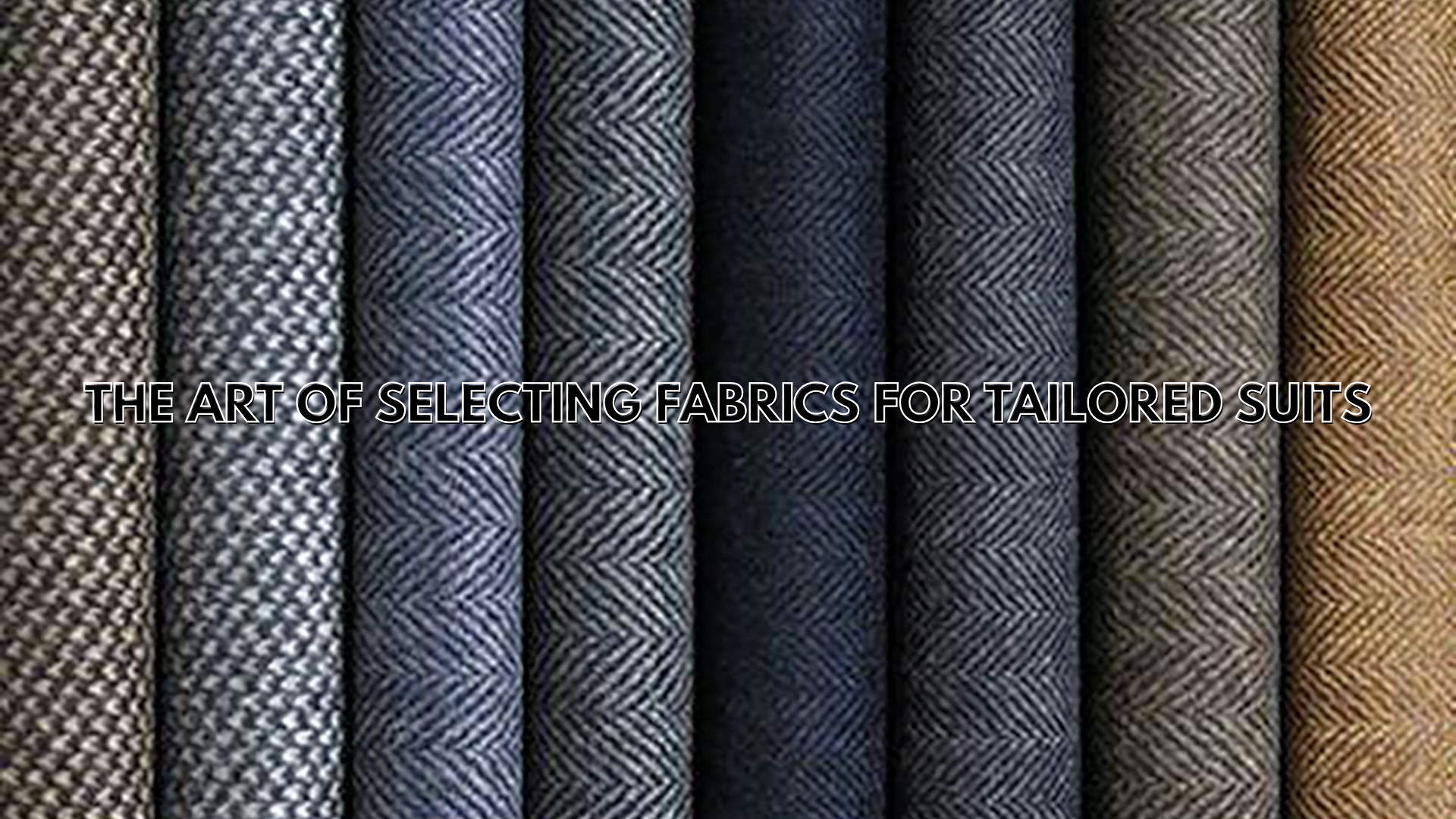
When it comes to tailored suits, selecting the right fabric is paramount. The fabric directly influences not only the visual appeal of the suit but also its comfort and longevity. Many individuals emphasize design elements, but seasoned tailors understand that quality fabric forms the foundation of an outstanding suit. Different fabrics behave uniquely under various conditions; some are breathable and perfect for warm climates, while others offer warmth and structure for cooler weather. This guide will explore the most common suit fabrics, their characteristics, and how to choose the best material for your tailored suit.
Understanding Suit Fabrics
Suit fabric refers to the material used to construct the suit jacket and trousers. The choice of fabric significantly affects several key factors:
- Appearance: The way the suit drapes and presents itself.
- Comfort: The breathability and softness of the fabric.
- Durability: How well the fabric holds up over time.
- Seasonality: Suitability for warm or cold weather.
Choosing the right fabric can enhance the overall elegance of a suit while making it more comfortable for wear throughout the day.
Common Fabrics Used for Tailored Suits
Suit Fabric Comparison Table
| Fabric | Key Characteristics | Best For | Advantages | Limitations |
|---|---|---|---|---|
| Wool | Natural fiber, structured, breathable | Business suits, formal wear, year-round suits | Wrinkle-resistant, durable, versatile | Can feel warm in very hot climates |
| Cotton | Lightweight and soft | Casual suits, summer wear | Breathable, comfortable in warm weather | Wrinkles easily, less structured |
| Linen | Very lightweight, airy texture | Hot climates, beach weddings, summer events | Extremely breathable, relaxed style | Wrinkles quickly, less formal |
| Silk (Blends) | Smooth, luxurious sheen | Formal suits, evening wear | Excellent drape, elegant appearance | Expensive, rarely used alone |
| Synthetic (Polyester / Viscose) | Man-made fibers, durable | Budget suits, everyday wear | Affordable, easy maintenance | Less breathable, less premium feel |
| Cashmere | Ultra-soft luxury wool fiber | High-end winter suits | Extremely soft, warm | Expensive and delicate |
| Mohair | Strong fiber with subtle sheen | Luxury lightweight suits | Durable, wrinkle-resistant | Usually blended with wool |
| Tweed | Thick textured wool fabric | Autumn and winter suits | Warm, durable, classic style | Too heavy for warm climates |
| Velvet / Corduroy | Distinct textured fabrics | Fashion suits, evening wear | Unique look and texture | Not ideal for daily business wear |
Wool
Wool is the most prevalent fabric in suit tailoring, prized for its versatility and durability. It is suitable for formal, business, and year-round wear due to its myriad types and characteristics.
Types of Wool
- Worsted Wool: Tightly woven with a smooth finish, resistant to wrinkles, making it ideal for professional applications.
- Merino Wool: Known for its softness and breathability, providing comfort while maintaining a refined appearance.
- Flannel Wool: Heavier and with a soft texture, great for autumn and winter suits.
Why Wool Is Popular:
- Breathable
- Naturally wrinkle-resistant
- Durable and long-lasting
- Versatile for occasions
Given its balance of comfort and structure, wool is often regarded as the best all-around fabric for suits.
Cotton
Cotton is favored for casual or summer suits, offering a lighter alternative that allows for better airflow and cooler wear in warm temperatures.
Characteristics of Cotton Suits
- Lightweight and breathable
- Comfortable in warm climates
- More casual appearance
However, cotton is prone to wrinkling and may lose its shape over time, making it less suitable for formal events.
Linen
Linen emerges as one of the most breathable fabrics available, making it perfect for hot and humid conditions.
Characteristics of Linen
- Extremely lightweight
- Highly breathable
- Ideal for summer settings
Though it gives a relaxed appearance and wrinkles easily, linen is often the fabric of choice for outdoor events, summer weddings, or vacations.
Silk
Silk is a luxurious fabric celebrated for its smooth texture and elegant sheen. While rarely used alone for suits, it’s commonly blended with other fabrics for enhanced softness and visual appeal.
Characteristics of Silk
- Soft and lightweight
- Elegant appearance
- Excellent drape
Silk blends are typically seen in formal suits, adding a subtle touch of sophistication.
Synthetic Fabrics
Synthetic fabrics like polyester and viscose are prevalent in mass-produced suits, offering several practical benefits.
Characteristics of Synthetic Fabrics
- Affordable
- Durable and wear-resistant
- Easy to maintain
However, they generally lack the breathability and natural feel of their organic counterparts, which may make them less comfortable for extended wear.
Special Suit Fabrics
Cashmere and Mohair
These premium fibers are used in luxury suits. Cashmere is exceptionally soft and warm, while mohair adds durability and a slight sheen when blended with wool, creating lightweight yet strong fabrics often reserved for high-end garments.
Tweed
A thick, textured wool fabric, tweed is historically tied to British countryside style. With characteristics such as durability and warmth, tweed suits are ideal for cooler seasons and more casual or semi-formal wear.
Velvet and Corduroy
These distinctive fabrics are typically used in statement pieces. Velvet offers a rich texture ideal for formal attire, whereas corduroy is often used for more casual suiting.
How to Choose the Right Suit Fabric
Selecting the appropriate fabric involves several practical considerations.
Occasion
- Formal Events: Opt for wool or wool blends.
- Business Environments: Choose worsted wool for professionalism.
- Casual Occasions: Cotton or linen suits work well here.
The formality of the event heavily influences your fabric choice.
Climate
Weather conditions play a significant role in fabric selection.
- Warm Climates: Linen or cotton are favorable.
- Year-Round Wear: Medium-weight wool can offer versatility.
- Cold Climates: Flannel or tweed is ideal for maintaining warmth.
Personal Style
The fabric can greatly contribute to the suit’s overall personality. Consider selecting a fabric that aligns well with your style preferences to ensure the suit feels natural and appropriate when worn.
Understanding Fabric Weight
Fabric weight influences both the comfort and structure of a suit.
- Lightweight (7–9 oz) : Best for summer use; highly breathable.
- Medium Weight (9–12 oz) : Suitable for year-round wear; a balance of comfort and structure.
- Heavyweight (12 oz and above) : Best for cooler climates; provides warmth.
Tailors generally recommend medium-weight fabrics for their versatility across different seasons.
Caring for Suit Fabrics
Proper care is essential to maximize the quality and longevity of your suit.
Cleaning
Most suits should undergo dry cleaning rather than machine washing to preserve fabric integrity.
Storage
Store your suits on wide, padded hangers to maintain their shape and avoid folding them for long periods.
Handling
Prevent exposure to excessive sunlight, moisture, or spills, which may harm delicate fabrics.
Following these care tips can significantly extend the lifespan of your suit.
Frequently Asked Questions
What is the best fabric for a suit?
Wool is widely regarded as the best overall fabric due to its balance of durability, breathability, and elegant appearance.
Which fabric is best for hot climates?
Linen and cotton are ideal for hot weather conditions because of their lightweight and breathable nature.
Are synthetic fabrics suitable for suits?
While they are practical and cost-effective, natural fabrics like wool or cotton typically offer better comfort and aesthetic appeal.
How can I identify high-quality fabric?
A high-quality fabric will have a smooth texture, good drape, and a comfortable weight. It should feel soft yet structured when touched.
Conclusion
Choosing the right fabric is crucial when creating a tailored suit that combines style, comfort, and durability. By understanding the characteristics of different materials such as wool, cotton, linen, and luxury blends you can make an informed decision that suits your lifestyle, climate, and personal style. Working with an experienced tailor in Bangkok, such as Michael Tailors, can make this process much easier. Their expertise helps you select the ideal fabric while ensuring the suit is crafted precisely to your measurements and preferences. With the right material and professional craftsmanship from Michael Tailors, your suit becomes more than just clothing it becomes a long-term investment in both your wardrobe and confidence.

More Articles

Getting a Suit Made in Bangkok on a Short Trip: Real Customer Stories
Suit vs Tuxedo: Key Differences and When to Wear Each One